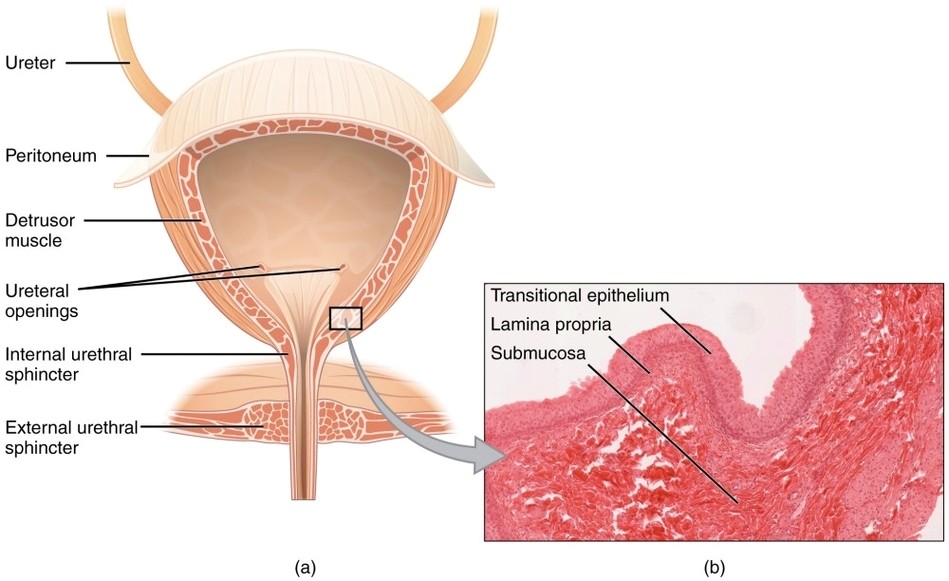
The Bladder: The urinary bladder is a muscular, expandable organ that stores urine until voluntary release during urination, with a transitional epithelium that allows stretching.
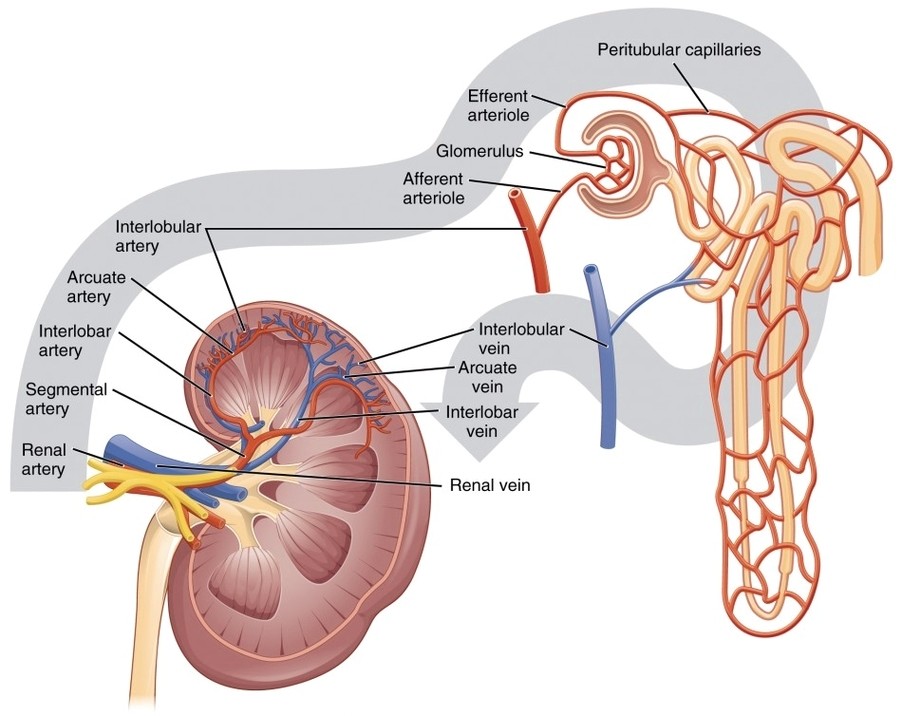
Blood Flow in the Kidneys: Blood enters the kidneys through the renal artery, flows through the glomerulus for filtration, and exits via the renal vein after reabsorption and secretion processes.
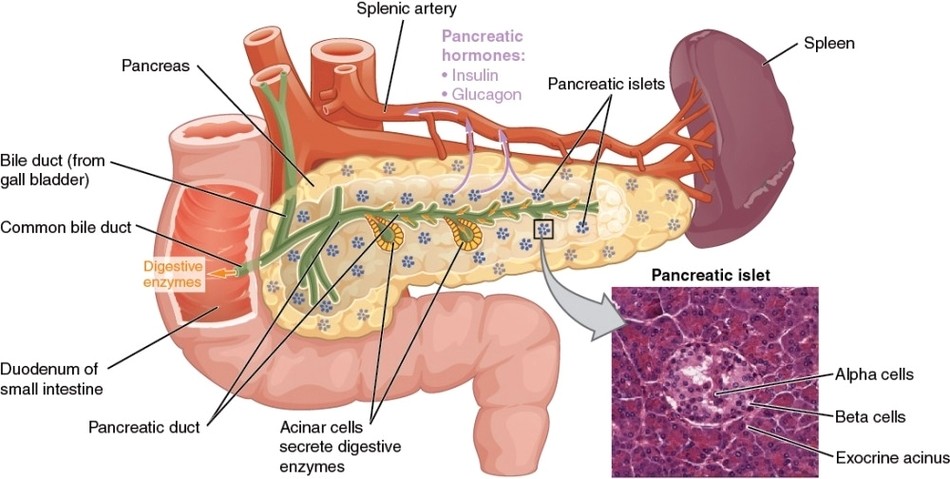
The Pancreas: The pancreas has exocrine functions (digestive enzyme secretion) and endocrine functions (insulin and glucagon release), regulating both digestion and blood glucose levels.
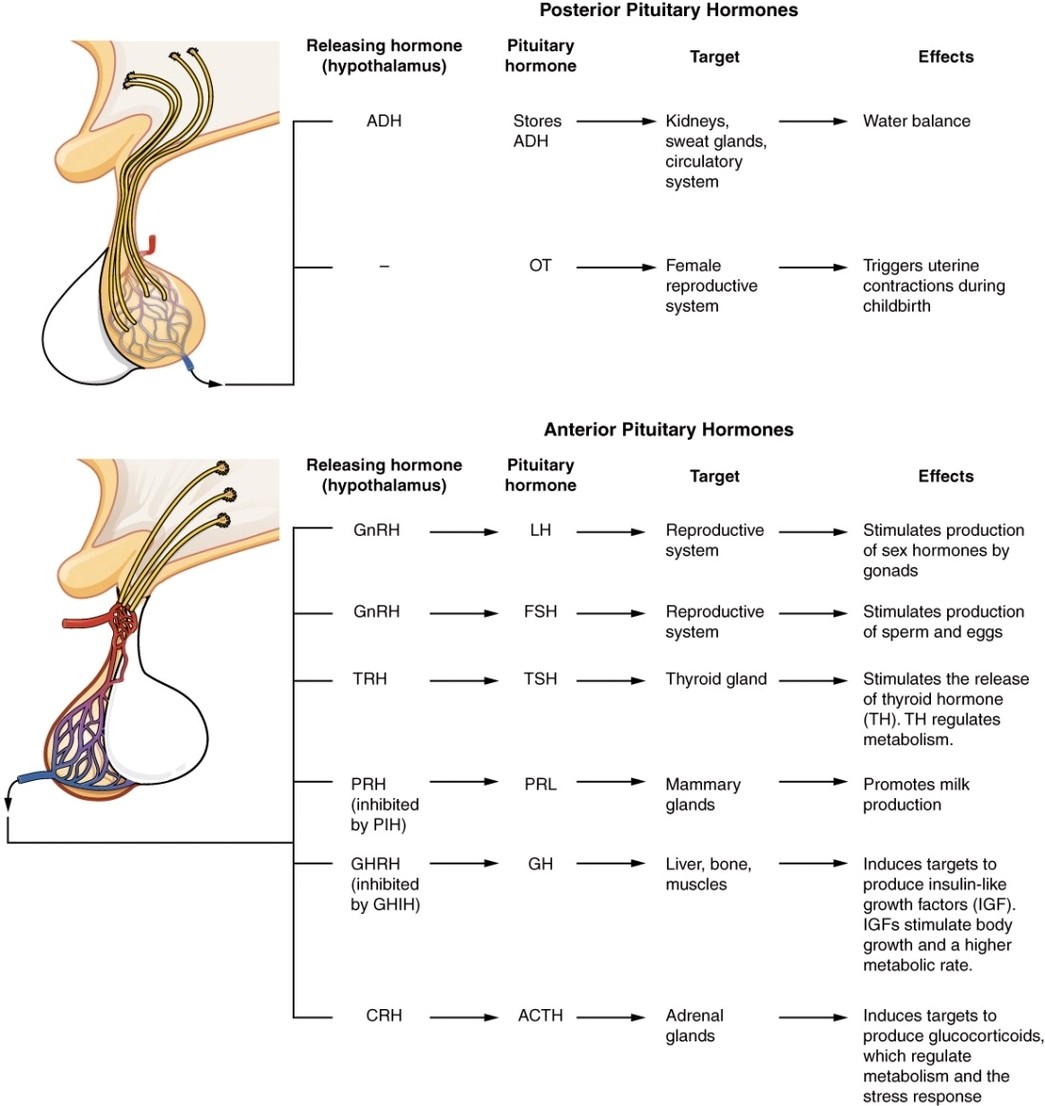
Major Pituitary Hormones: The pituitary gland secretes several key hormones, including growth hormone, prolactin, ACTH, TSH, LH, and FSH, which regulate growth, metabolism, stress response, and reproductive function.
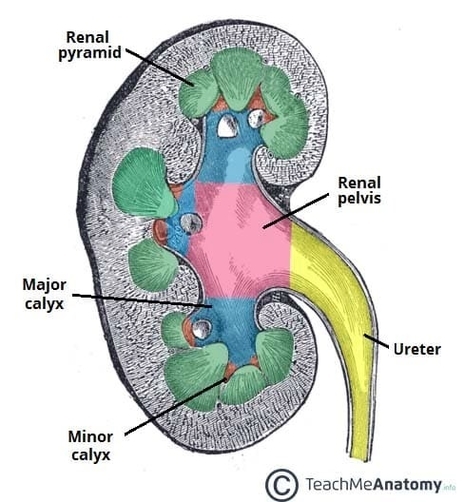
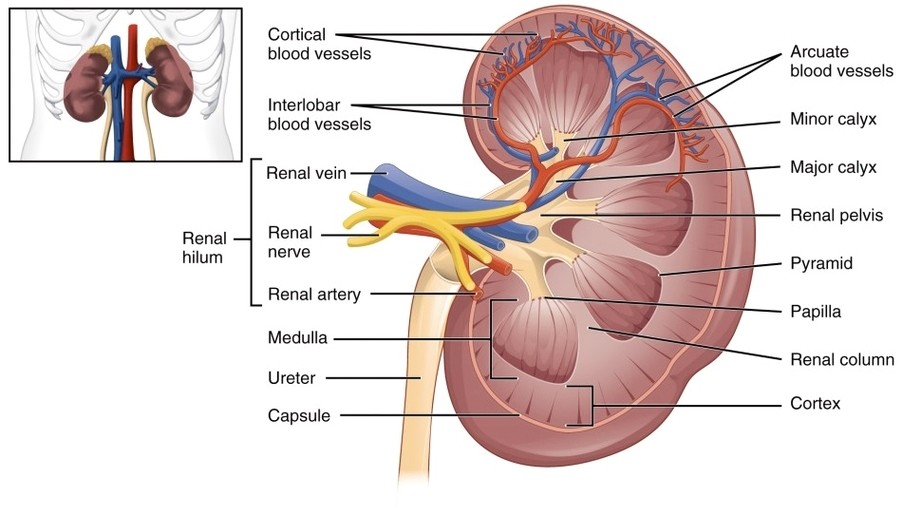
The Kidney: The kidneys filter blood through nephrons, removing waste and excess fluid to form urine, while also regulating electrolyte balance, blood pressure, and hormone production.
Lung Tissue: Lung tissue is composed of alveoli, bronchioles, and a dense capillary network, providing a large surface area for gas exchange while remaining elastic to accommodate inhalation and exhalation.
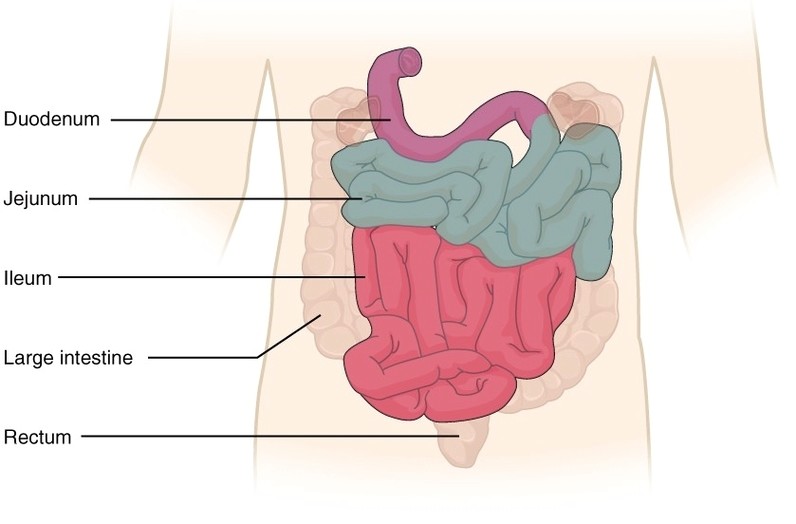
Small Intestine: The small intestine, composed of the duodenum, jejunum, and ileum, is the primary site for digestion and nutrient absorption, featuring villi and microvilli to increase surface area.
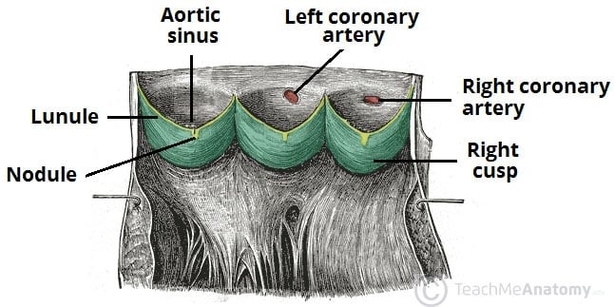
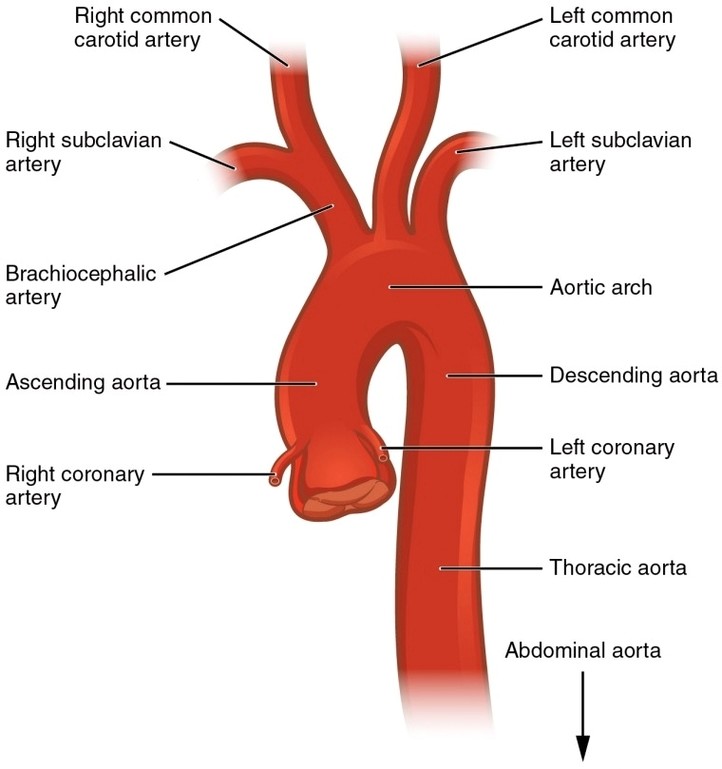
Aorta: The aorta is the largest artery in the body, emerging from the left ventricle of the heart and distributing oxygenated blood to all systemic arteries via its ascending, arch, thoracic, and abdominal segments.
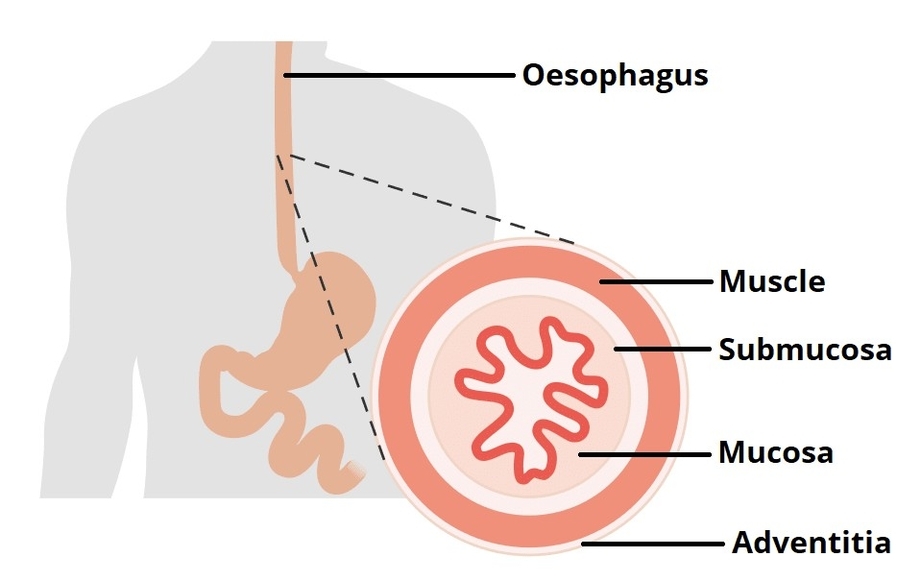
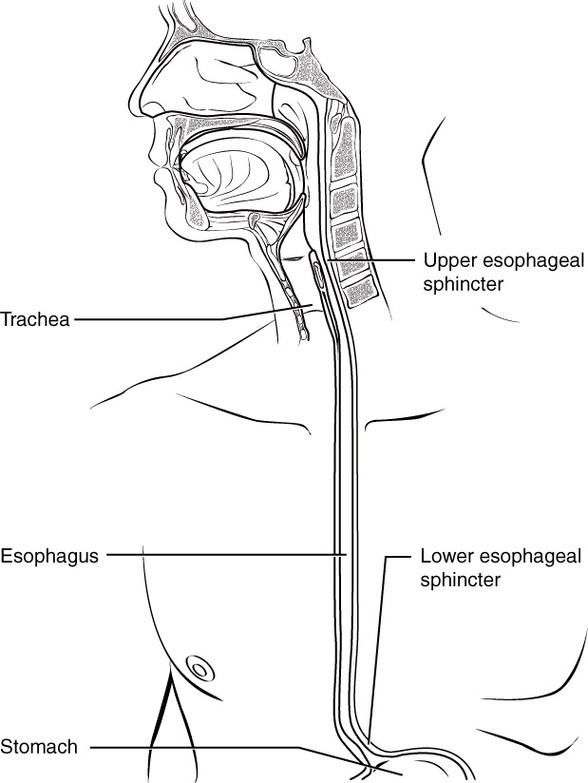
The Esophagus: The esophagus is a muscular tube that transports food from the pharynx to the stomach via peristalsis, with its lining adapted to withstand friction and acidic reflux.
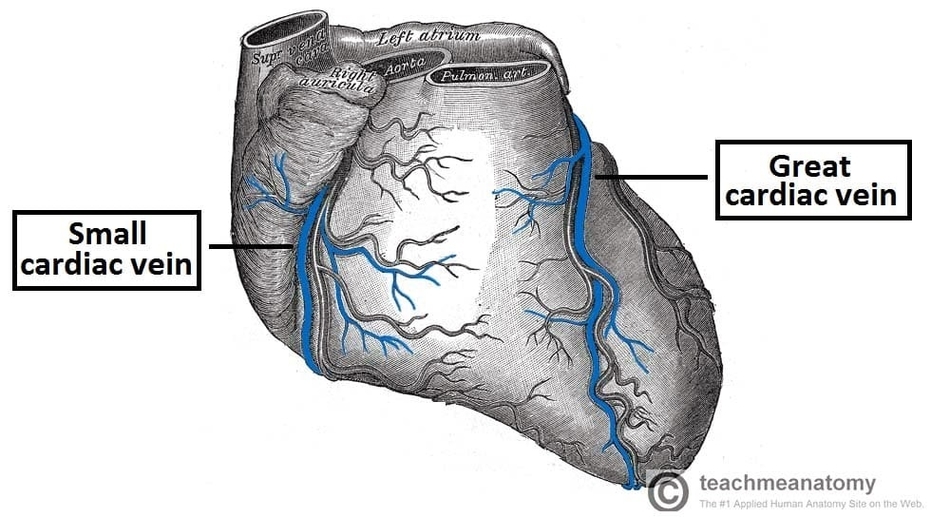
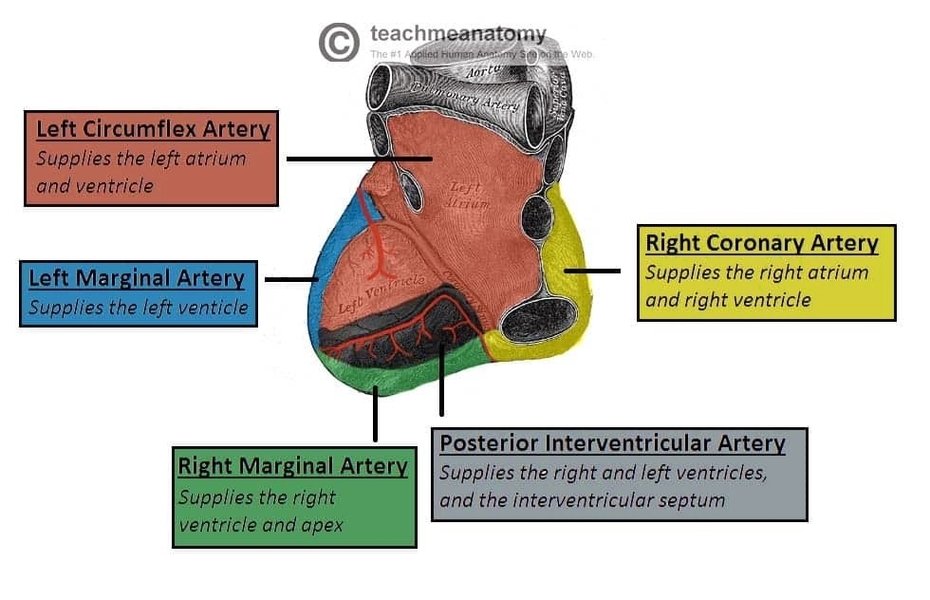
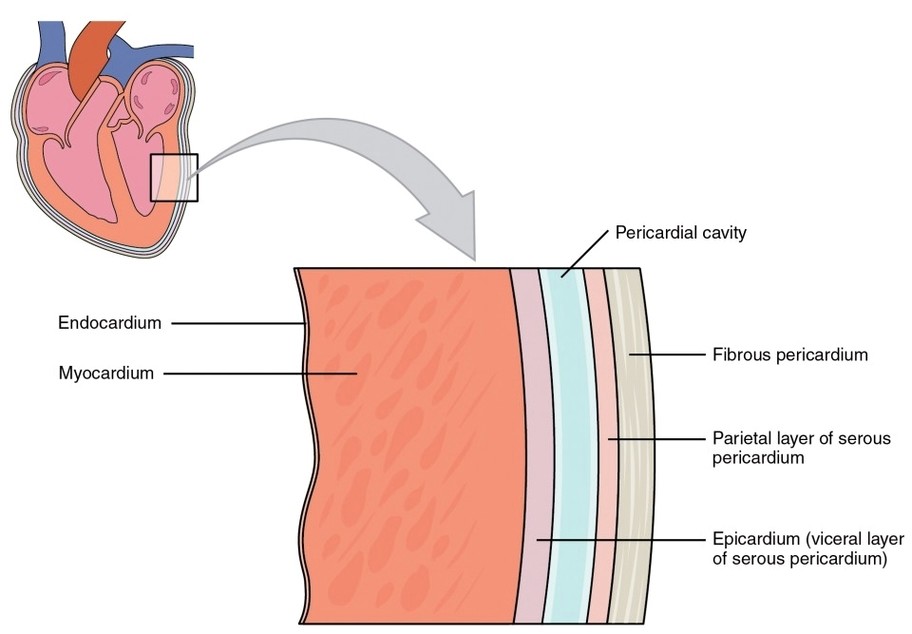
Heart Wall: The heart wall consists of three layers: the epicardium (outer), myocardium (middle muscular layer), and endocardium (inner lining), each contributing to the hearts structure and function.
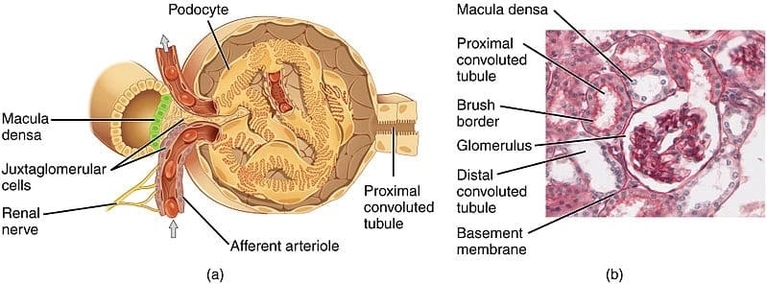
Blood Flow in the Nephron: Blood enters the nephron through the afferent arteriole, passes through the glomerulus, and exits via the efferent arteriole, with filtration and reabsorption occurring along the tubules.
Microscopic Anatomy of Liver: The liver is composed of hexagonal lobules centered around a central vein, with plates of hepatocytes radiating outward. Between these plates are sinusoids that allow blood to flow past hepatocytes for filtration, metabolism, and detoxification.
The Hypothalamus Pituitary Complex: The hypothalamus and pituitary gland form a key regulatory complex that controls endocrine function via releasing and inhibiting hormones that act on the anterior and posterior pituitary.
Exocrine and Endocrine Pancreas: The pancreas has both exocrine functionssecreting digestive enzymes into the duodenumand endocrine functions, producing insulin and glucagon to regulate blood sugar levels.
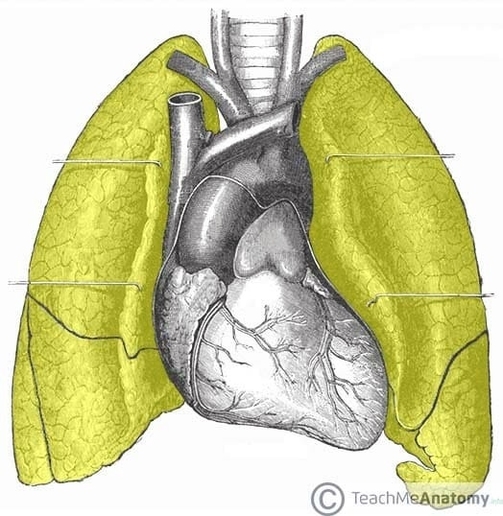
Major Respiratory Organs: Major respiratory organs include the nose, pharynx, larynx, trachea, bronchi, and lungs, all working together to move air, filter particles, and facilitate gas exchange.
Accessory Organs: Accessory digestive organs include the liver, pancreas, gallbladder, and salivary glands, which secrete enzymes and other substances aiding digestion but are not part of the GI tract itself.
The Placenta: The placenta connects the developing fetus to the uterine wall, allowing nutrient and gas exchange, hormone production, and waste removal through the umbilical cord.
Summary of Factors in Cardiac Output: Cardiac output is influenced by heart rate and stroke volume, which are in turn affected by factors such as autonomic nervous system input, blood volume, and myocardial contractility.
Stomach: The stomach is a muscular, J-shaped organ that secretes acid and enzymes to digest food mechanically and chemically, preparing it for absorption in the small intestine.
Structures of the Respiratory Zone: The respiratory zone includes respiratory bronchioles, alveolar ducts, and alveolithin-walled structures where gas exchange between air and blood takes place.