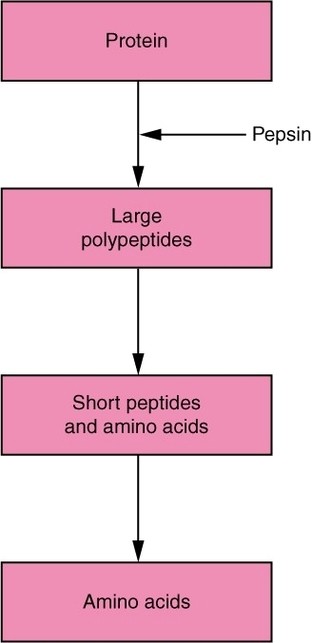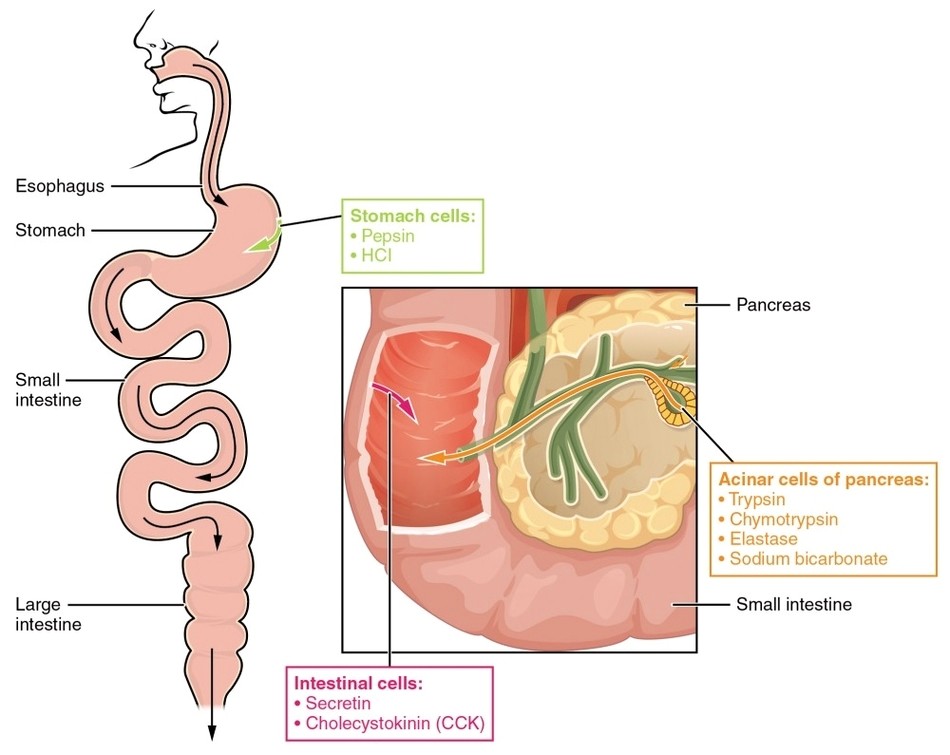
Protein Digesting Enzymes: Enzymes like pepsin in the stomach and trypsin, chymotrypsin, and carboxypeptidase in the small intestine break proteins into peptides and amino acids for absorption.
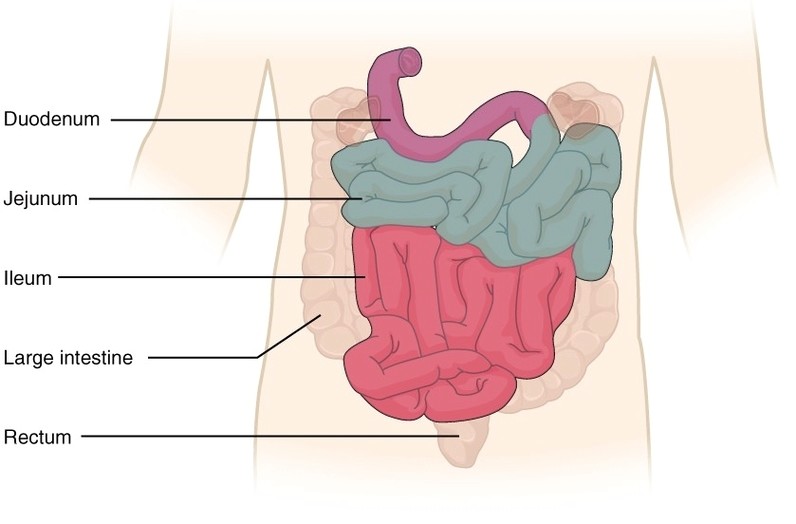
Small Intestine: The small intestine, composed of the duodenum, jejunum, and ileum, is the primary site for digestion and nutrient absorption, featuring villi and microvilli to increase surface area.
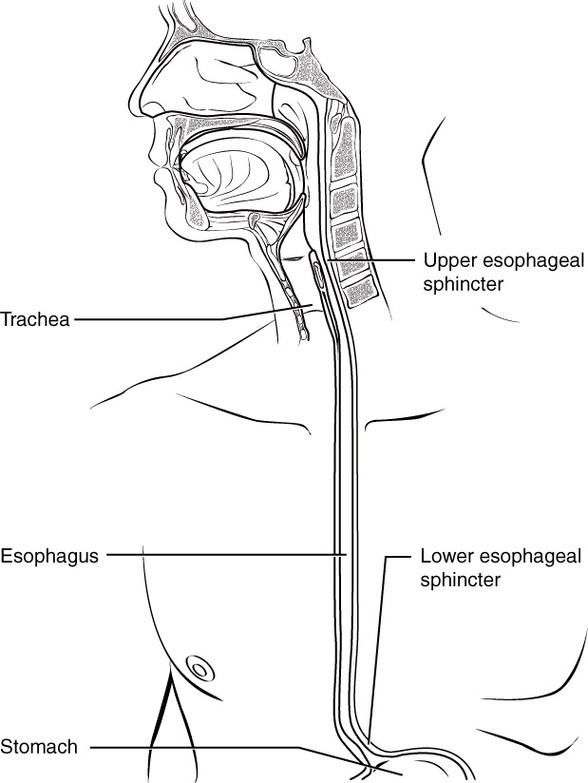
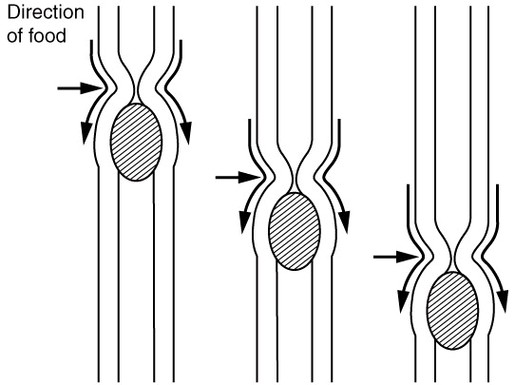
The Esophagus: The esophagus is a muscular tube that transports food from the pharynx to the stomach via peristalsis, with its lining adapted to withstand friction and acidic reflux.
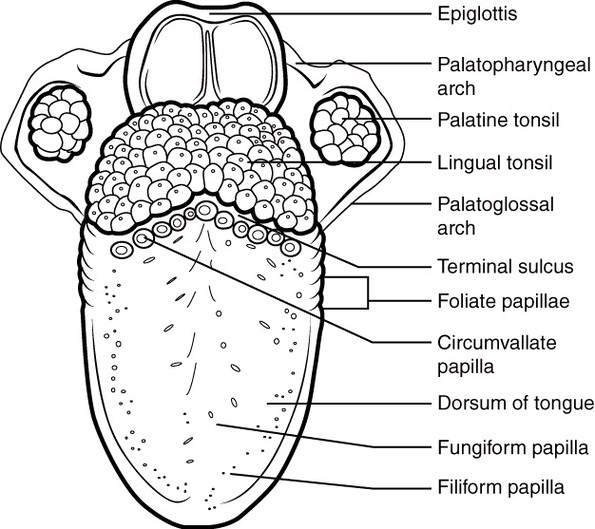
Tongue: The tongue is a muscular organ involved in taste, speech, and food manipulation, covered in papillae that contain taste buds and controlled by intrinsic and extrinsic muscles.
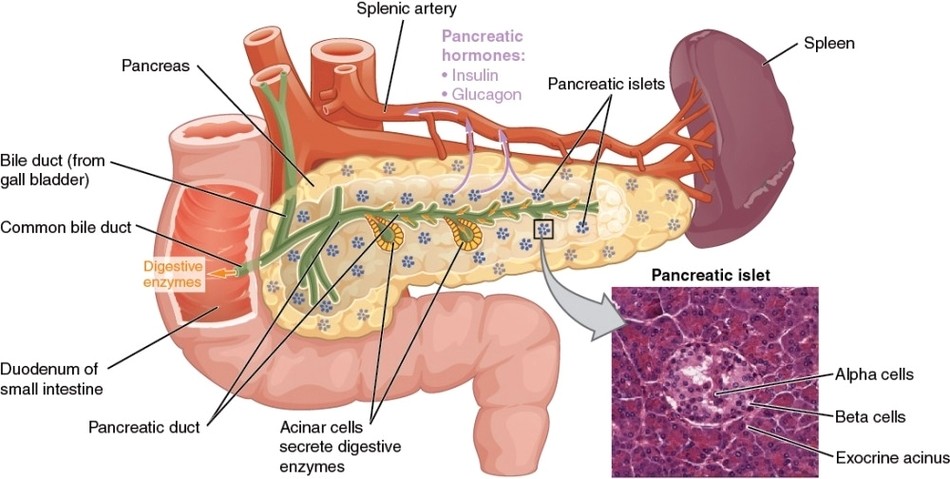
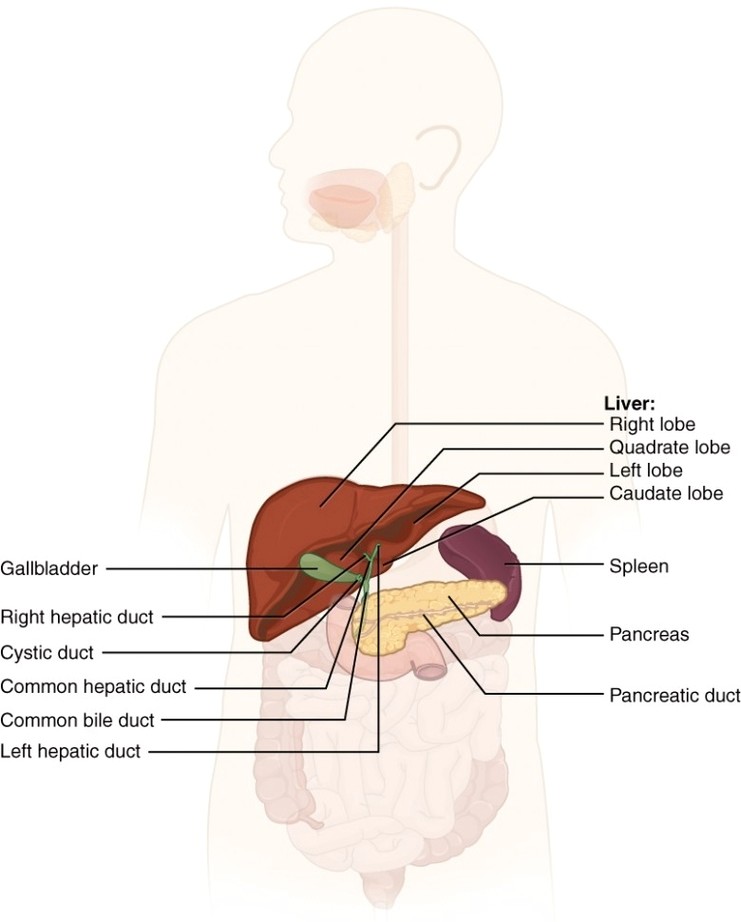
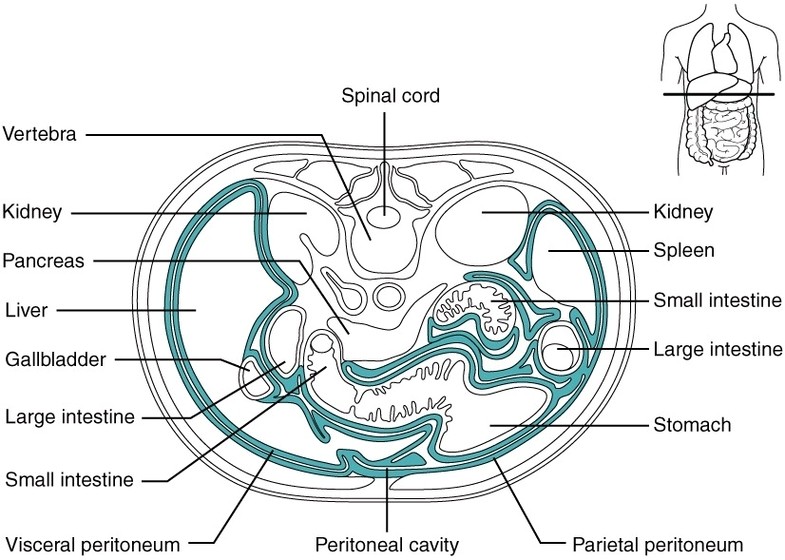
Accessory Organs: Accessory digestive organs include the liver, pancreas, gallbladder, and salivary glands, which secrete enzymes and other substances aiding digestion but are not part of the GI tract itself.
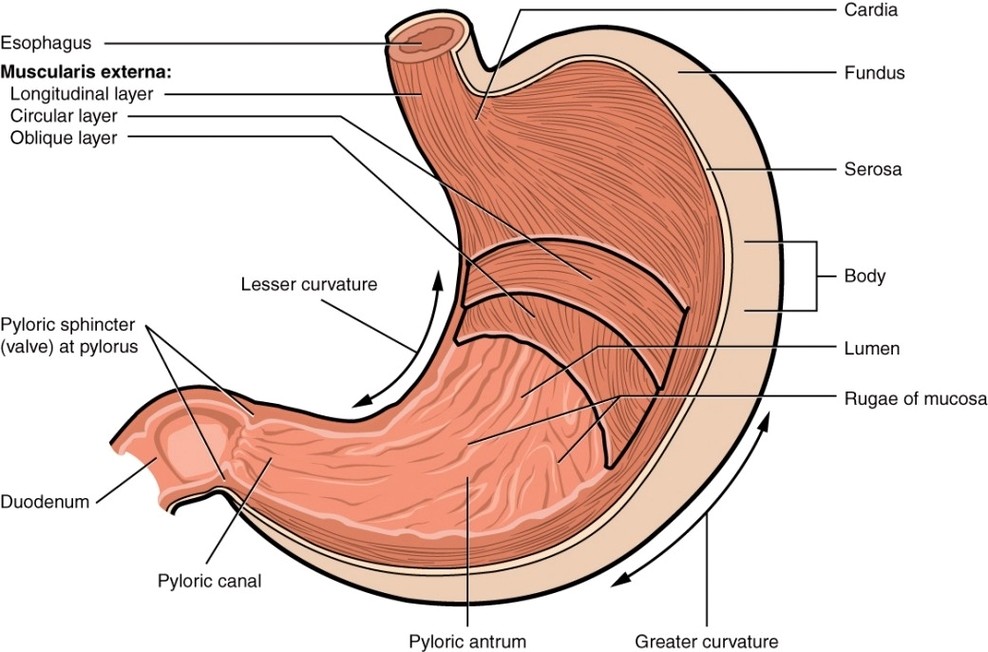
Stomach: The stomach is a muscular, J-shaped organ that secretes acid and enzymes to digest food mechanically and chemically, preparing it for absorption in the small intestine.
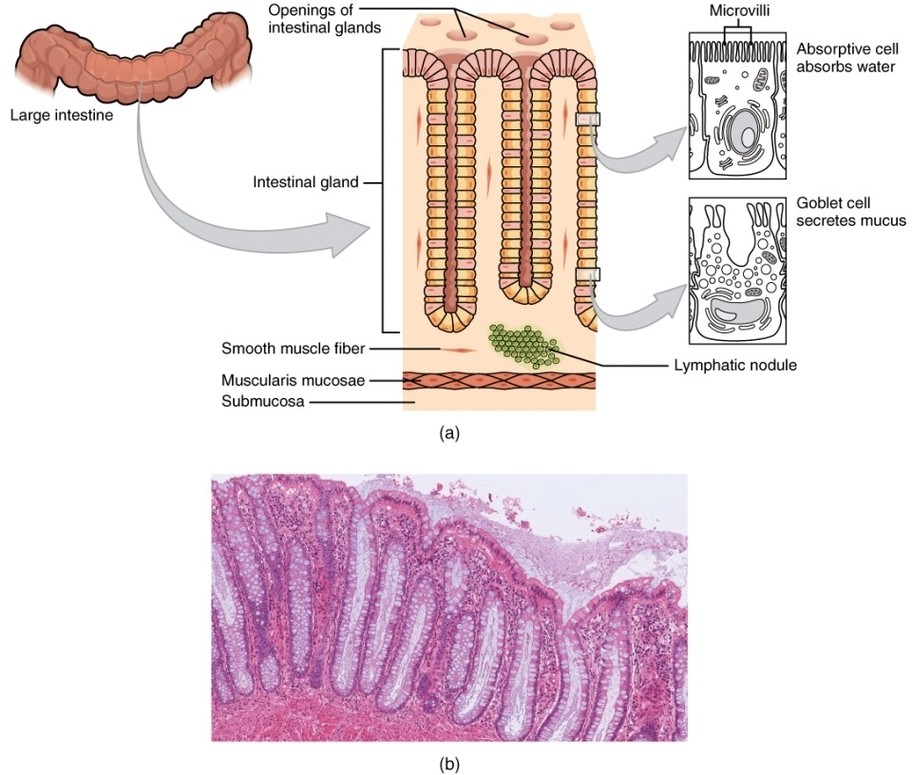
Histology of the Large Intestine: The large intestine’s histology includes a smooth mucosa with numerous goblet cells for mucus secretion, arranged in straight tubular glands and lacking villi.
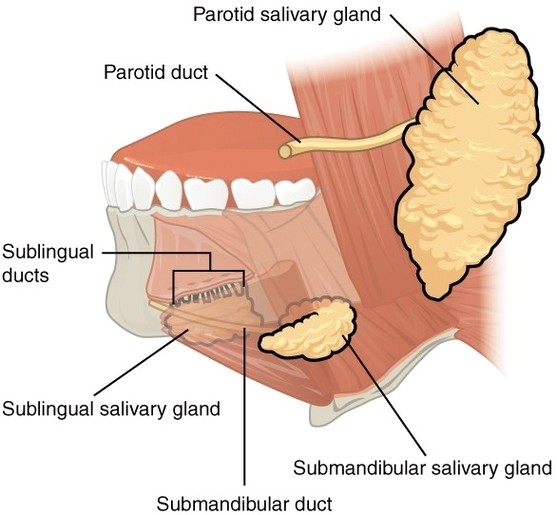
Salivary Glands: The major salivary glands—parotid, submandibular, and sublingual—secrete saliva containing enzymes like amylase to begin starch digestion and lubricate food for swallowing.
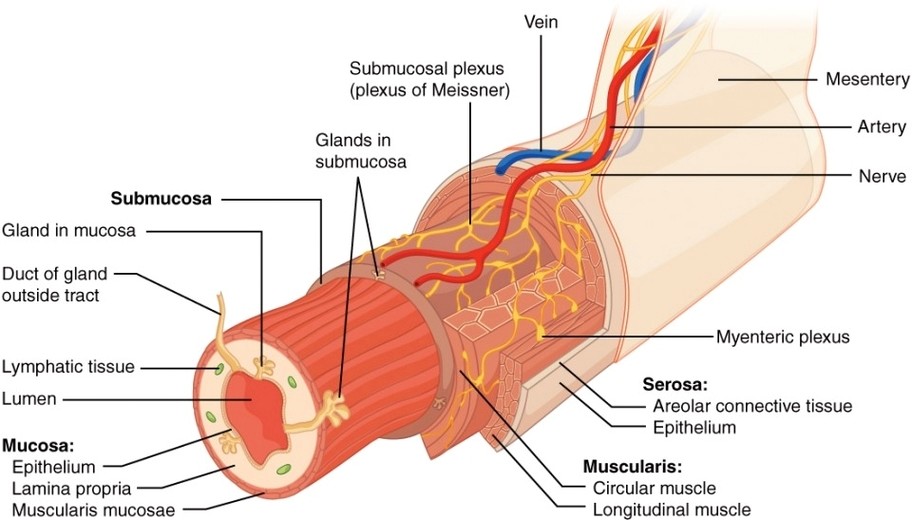
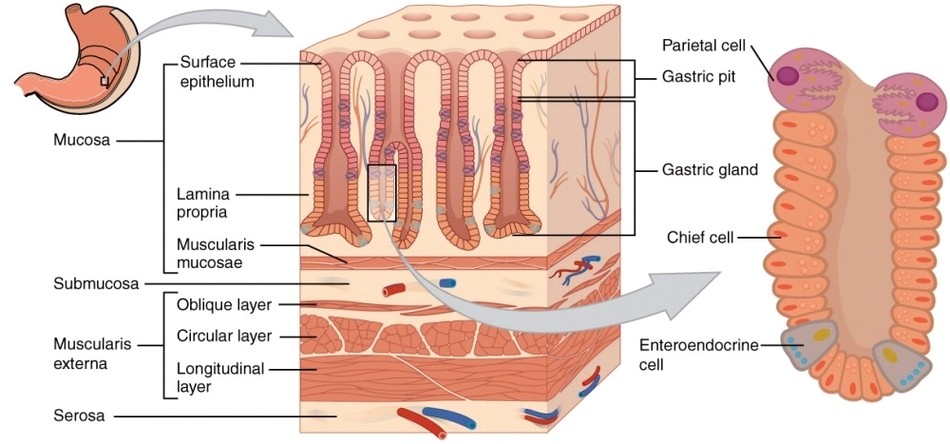
Layers of the Gastrointestinal Tract: The GI tract consists of four layers: mucosa (innermost), submucosa, muscularis externa (smooth muscle), and serosa or adventitia (outer layer), each playing a role in digestion and motility.
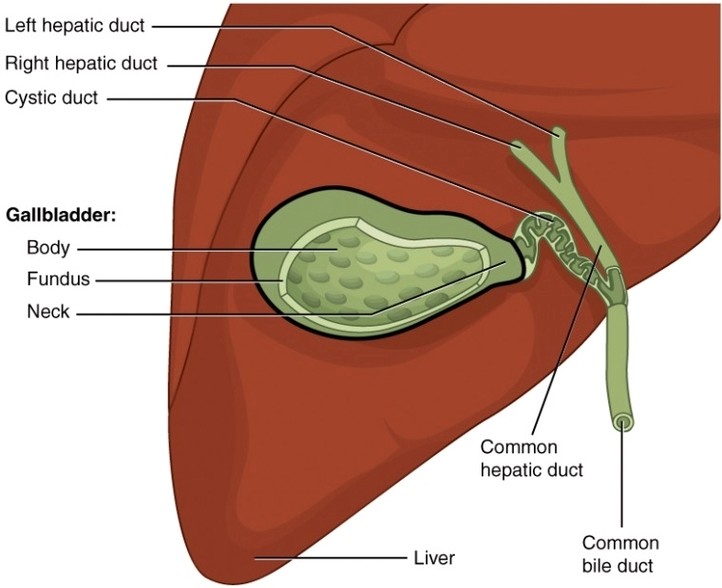
Gallbladder: The gallbladder stores and concentrates bile produced by the liver, releasing it into the small intestine to aid in the digestion and absorption of fats.
Peristalsis: Peristalsis is the wave-like contraction of smooth muscles in the digestive tract that moves food through the esophagus, intestines, and other hollow organs.
Histology of Stomach: Stomach histology includes mucosal layers with gastric pits and glands containing cells that secrete acid, enzymes, and mucus, supported by muscularis layers for churning.