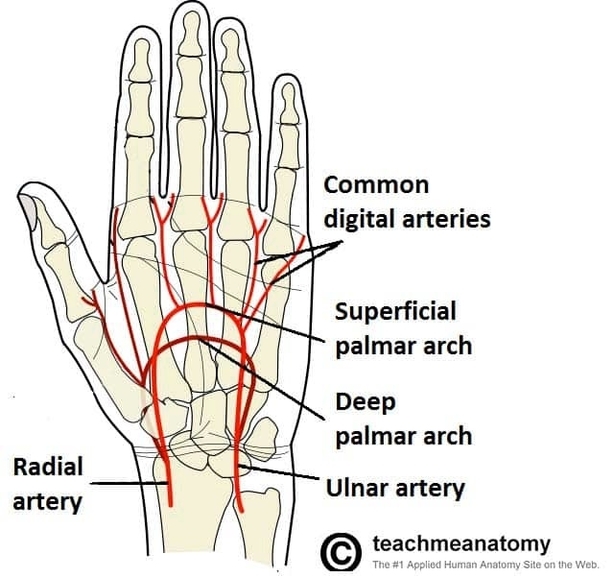
Arterial Supply to the Hand via the Ulnar and Radial Arteries. Superficial and Deep Arches

Arterial Supply to the Hand via the Ulnar and Radial Arteries. Superficial and Deep Arches

The hand has a complex arterial network formed by the radial and ulnar arteries. This anatomy diagram of the arterial supply to the hand via the superficial and deep palmar arches illustrates how these vessels interconnect to provide collateral circulation. View Diagram Arterial Supply to the Hand via the Ulnar and Radial Arteries. Superficial and Deep Arches

Overview of Arterial Supply to the Brain Internal Carotid and Vertebral Arteries

Overview of Arterial Supply to the Brain Internal Carotid and Vertebral Arteries

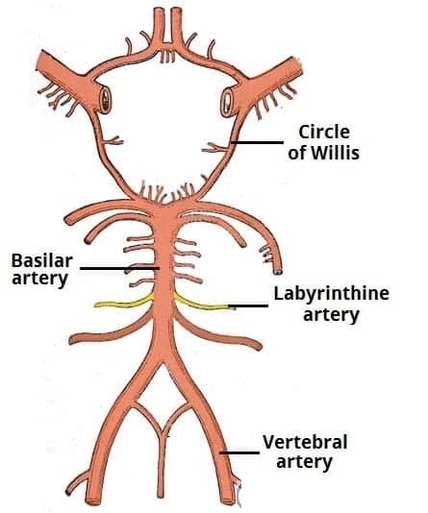
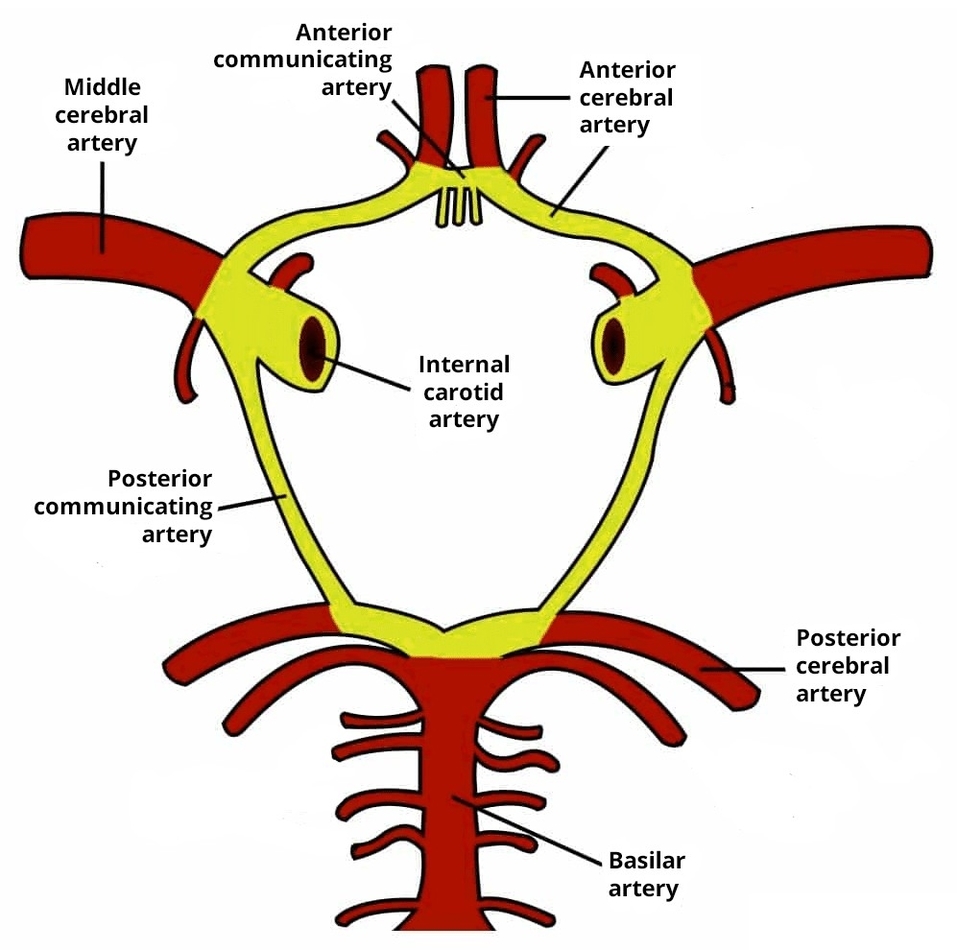
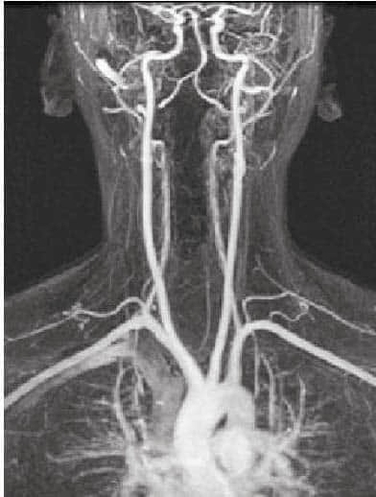
The brain receives arterial supply primarily from the internal carotid and vertebral arteries. Internal carotids supply the anterior and middle cerebral regions, while vertebral arteries merge into the basilar artery, supplying the posterior brain, brainstem, and cerebellum. Anastomoses form the View Diagram Overview of Arterial Supply to the Brain Internal Carotid and Vertebral Arteries

Sagittal View of the Subdivisions of the Peritoneum

Sagittal View of the Subdivisions of the Peritoneum

The peritoneum is subdivided into parietal and visceral layers, creating compartments and reflections within the abdominal cavity. Sagittal views show anterior, posterior, and lateral relationships with organs, supporting understanding of intraperitoneal and retroperitoneal spaces. Knowledge of peritoneal subdivisions is essential View Diagram Sagittal View of the Subdivisions of the Peritoneum