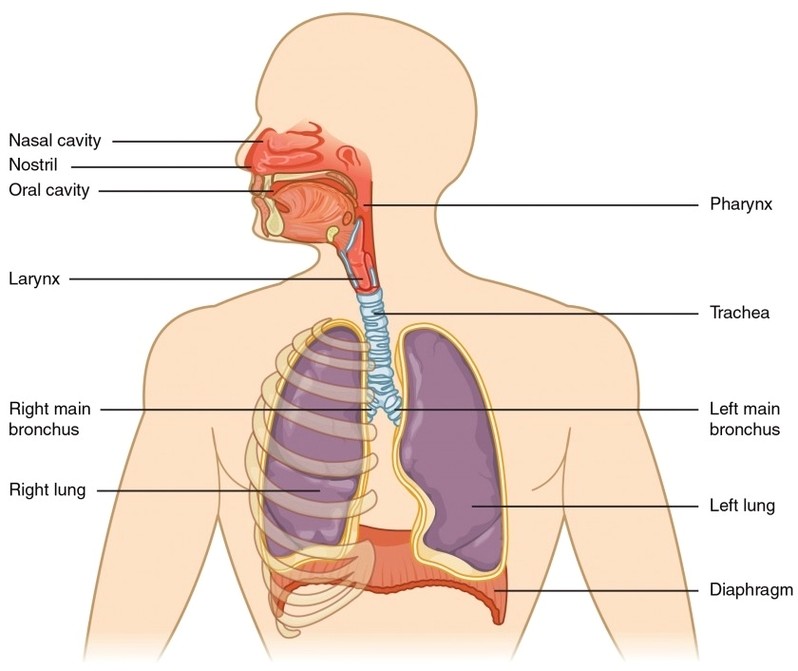
The Lung Pleurae: The lungs are enclosed by the pleuraetwo thin layers of serous membrane (visceral and parietal) separated by pleural fluidwhich reduce friction during breathing and help maintain lung expansion.
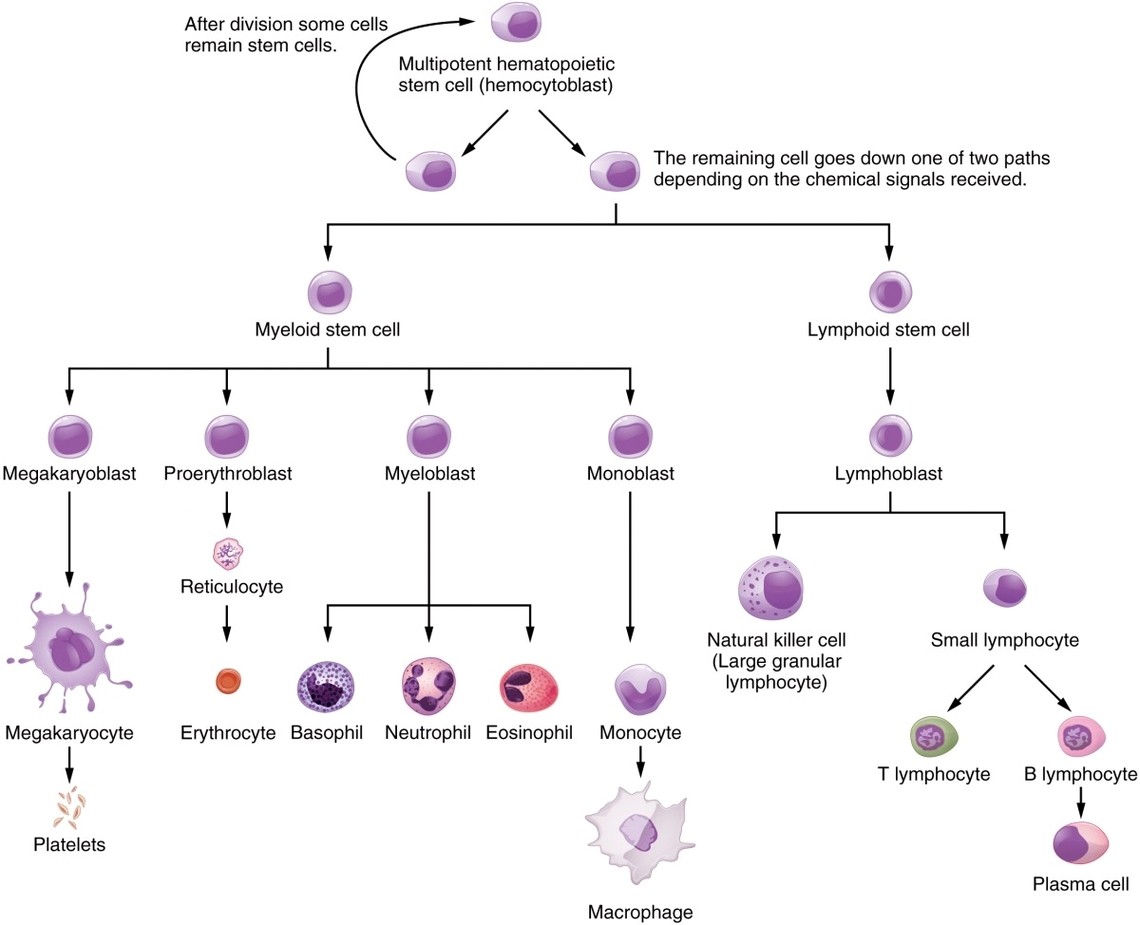
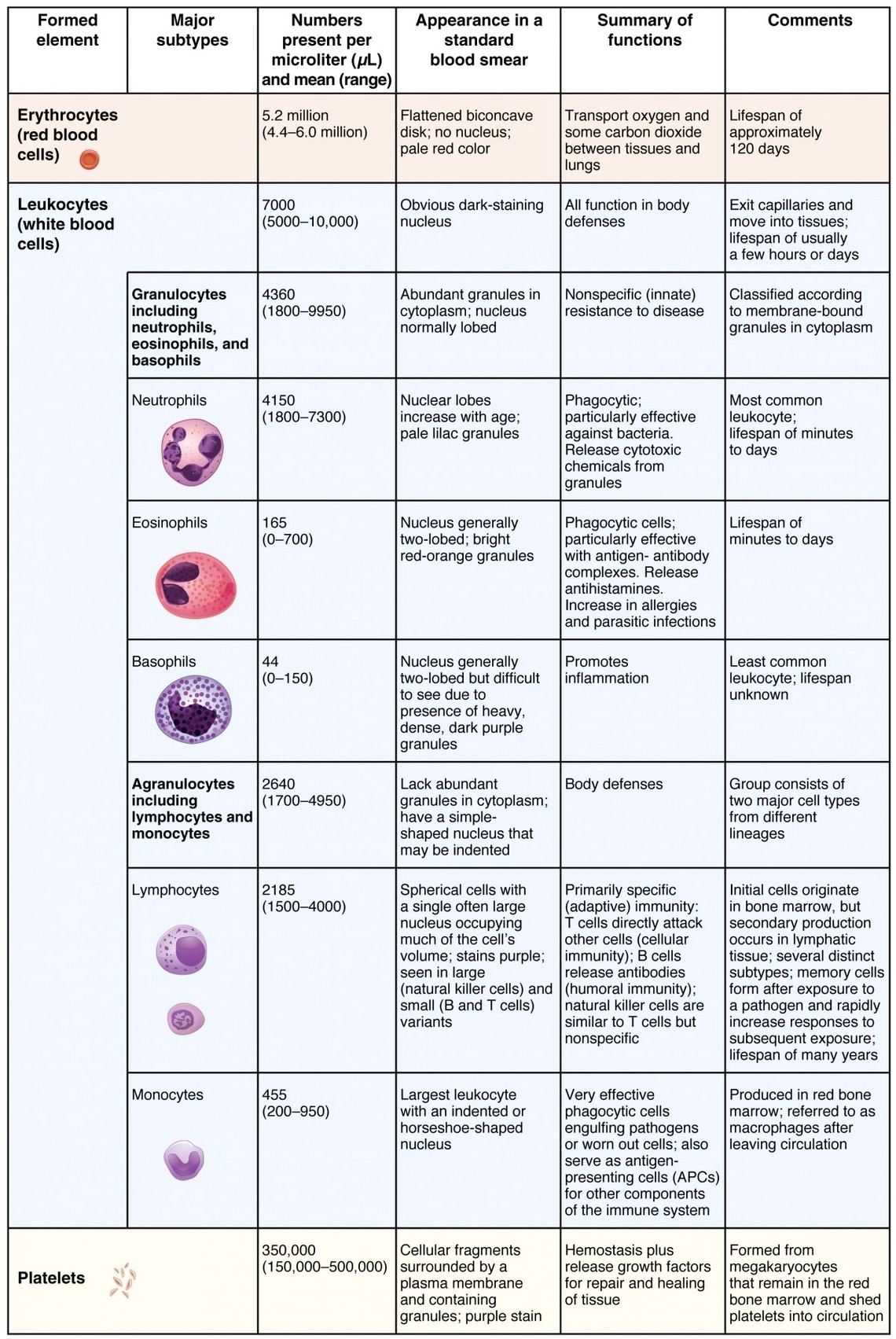
Composition of Blood: Blood is composed of plasma (water, proteins, and nutrients), red blood cells (oxygen transport), white blood cells (immunity), and platelets (clotting).
Symptoms of Acidosis Alkalosis: Acidosis can cause fatigue, confusion, and rapid breathing, while alkalosis may lead to muscle cramps, dizziness, and tingling; both result from pH imbalances in blood.
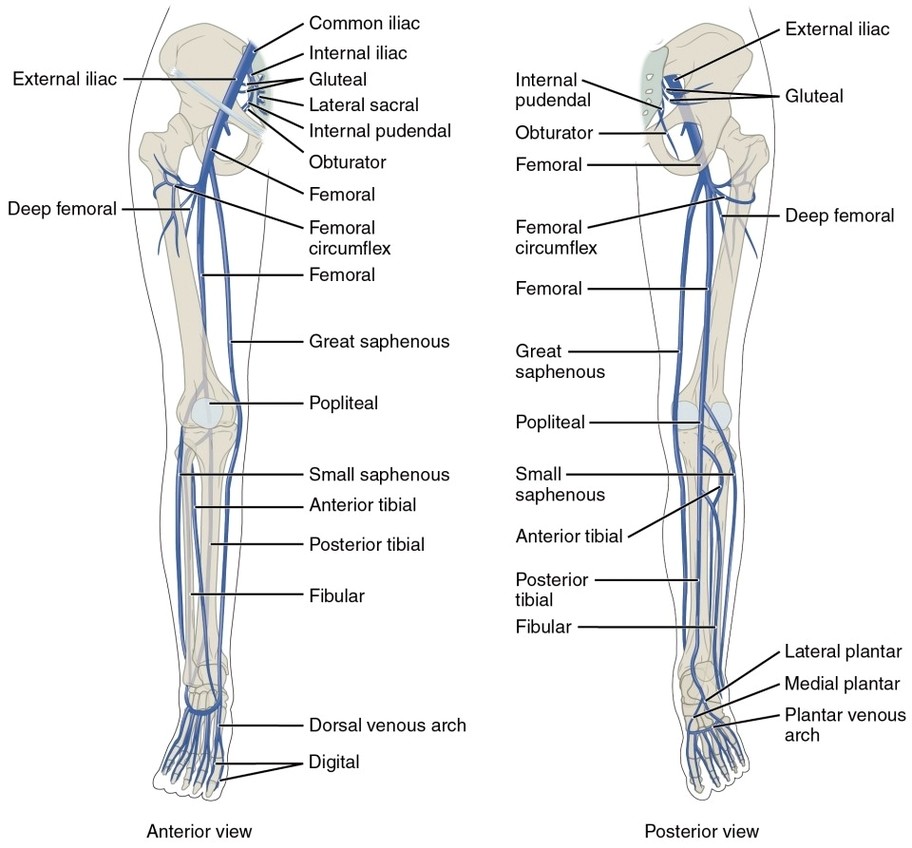
Thoracic Abdominal Veins: These veins include the superior and inferior vena cava, azygos system, and hepatic veins, which return deoxygenated blood from the thorax and abdomen to the heart.
Electrocardiogram: An electrocardiogram (ECG or EKG) is a recording of the hearts electrical activity, displaying P waves, QRS complexes, and T waves that correspond to different phases of the cardiac cycle.
The Role of Parathyroid Hormone in Maintaining Blood Calcium Homeostasis: Parathyroid hormone (PTH) increases blood calcium levels by stimulating bone resorption, enhancing calcium reabsorption in the kidneys, and activating vitamin D to increase intestinal absorption.
Coronary Blood Vessels: The coronary arteries and veins supply oxygen-rich blood to the myocardium and remove deoxygenated blood, ensuring the heart muscle receives the nutrients it needs to function effectively.
Kidney Position in Abdomen: The kidneys are retroperitoneal organs located on either side of the spine between the T12 and L3 vertebrae, with the right kidney slightly lower due to the liver.
Photo of Embryo: An embryo photo shows the early stages of human development, typically with visible somites, neural tube, limb buds, and heart bulge around week 46.
Cooperation Between Innate and Immune Responses: The innate immune system provides immediate defense, while the adaptive system offers targeted responses; they cooperate through antigen presentation and cytokine signaling to eliminate pathogens.
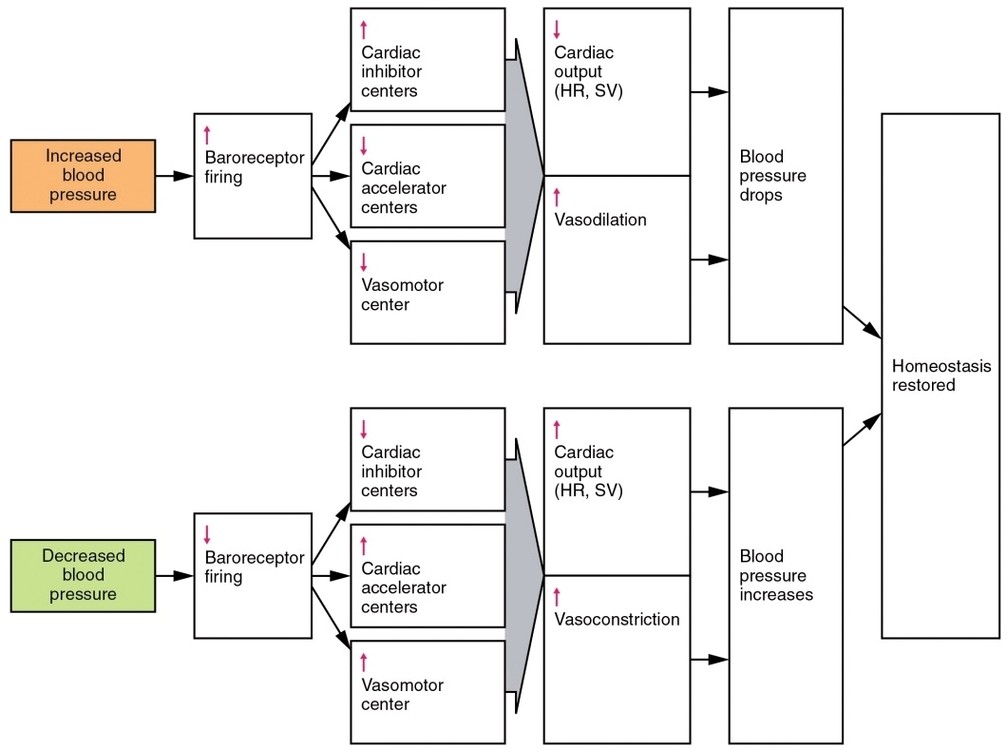
Factors in Cardiac Output: Cardiac output depends on stroke volume and heart rate, influenced by preload, afterload, contractility, and autonomic nervous system regulation.
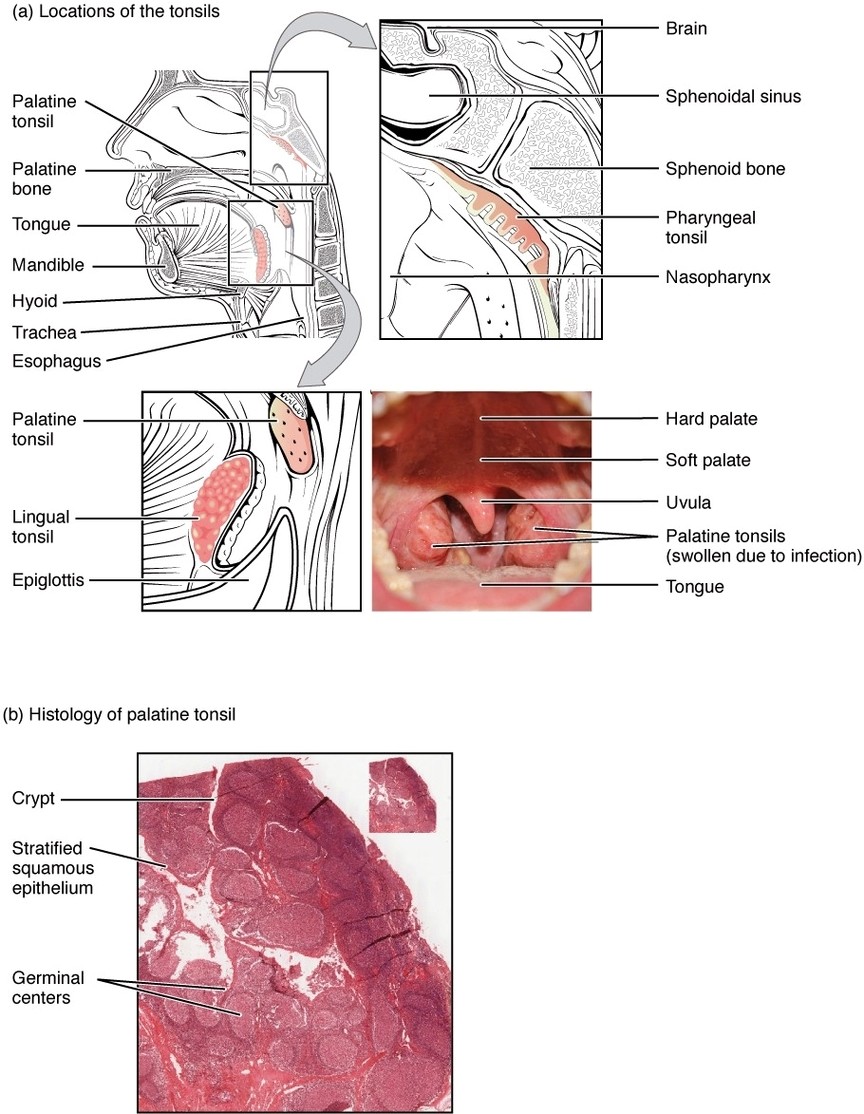
Mucosa Associated Lymphoid Tissue MALT Nodule: MALT includes lymphoid nodules in mucosal tissues like the tonsils and Peyers patches, providing immune defense at sites exposed to external pathogens.
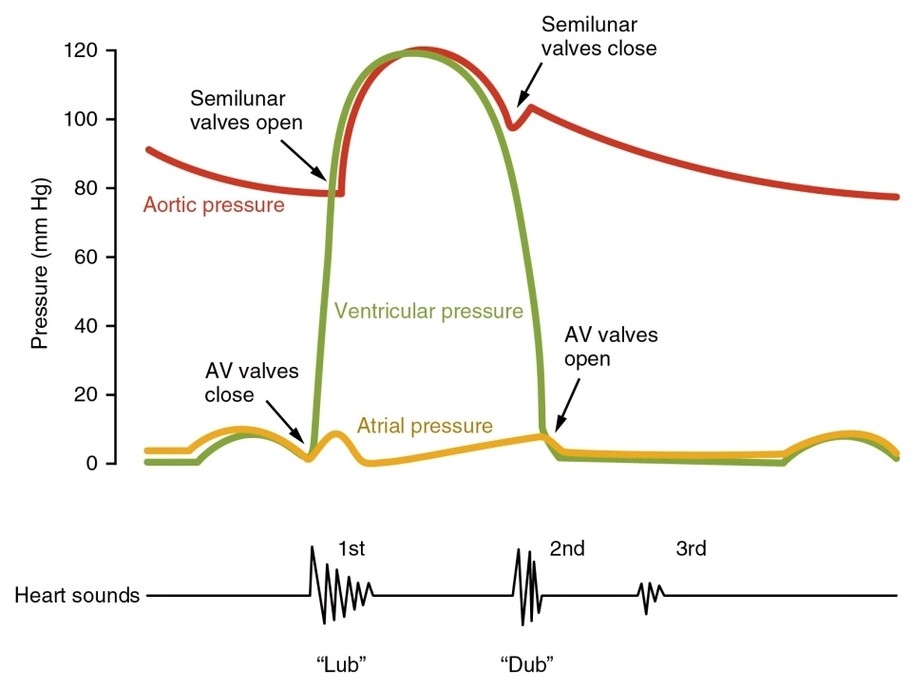
Stethoscope Placement: Stethoscope placement for heart auscultation includes four key areas: aortic, pulmonic, tricuspid, and mitral regions, each corresponding to the position of a specific heart valve.
FlowChart Veins into VenaCava: This flowchart maps venous drainage from body regions into the superior and inferior vena cavae, the major veins returning blood to the right atrium.
Erythrocyte Life Cycle: Red blood cells are produced in the bone marrow and circulate for about 120 days before being phagocytized in the spleen or liver, where their components are recycled for new cell formation or excretion.
Erythroblastosis Fetalis: Erythroblastosis fetalis is a hemolytic disease of the newborn caused by Rh incompatibility, where maternal antibodies attack fetal red blood cells, leading to anemia and jaundice.
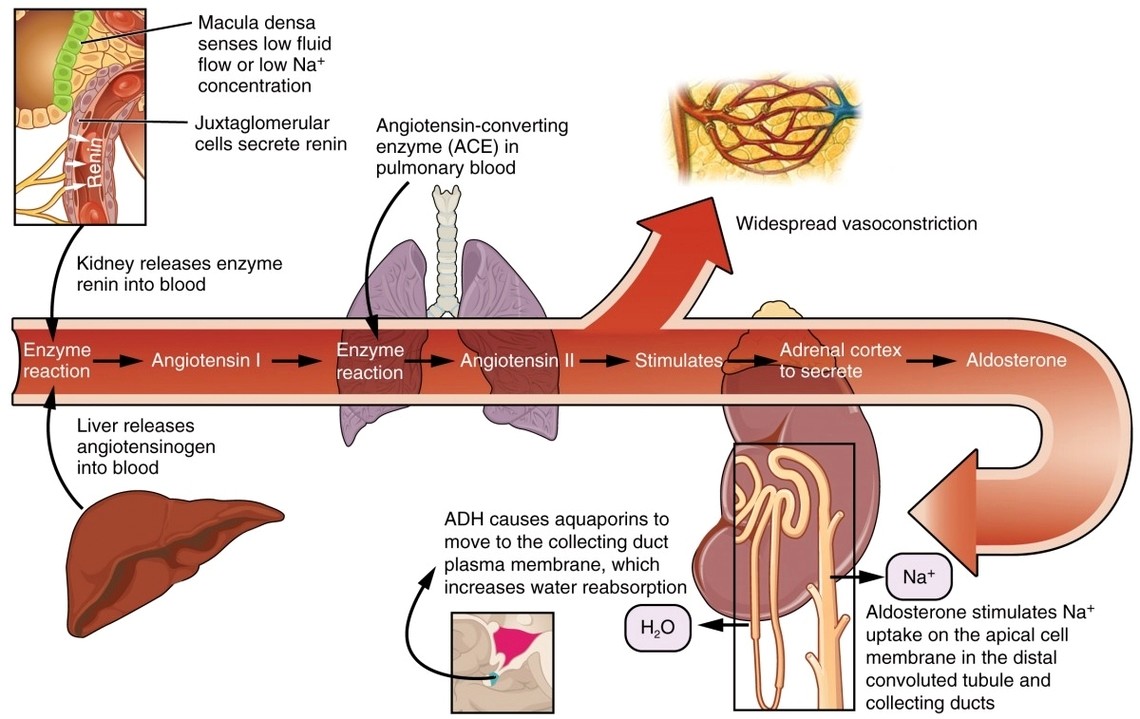
The Posterior Pituitary Complex: The posterior pituitary stores and releases oxytocin and antidiuretic hormone (ADH), both produced in the hypothalamus, affecting uterine contractions and water reabsorption in the kidneys, respectively.
Varicose Vein: Varicose veins occur when valves in superficial veins become incompetent, causing blood to pool and the veins to become enlarged, twisted, and visible beneath the skin, typically in the legs.
Mendelian Pea Plant Cross: Mendels pea plant crosses revealed predictable inheritance patterns through dominant and recessive traits, forming the foundation of classical genetics.
Cardiac Conduction: The heart’s electrical system begins with the sinoatrial (SA) node, spreading impulses through the atria, to the atrioventricular (AV) node, and down the bundle branches and Purkinje fibers to coordinate contraction.