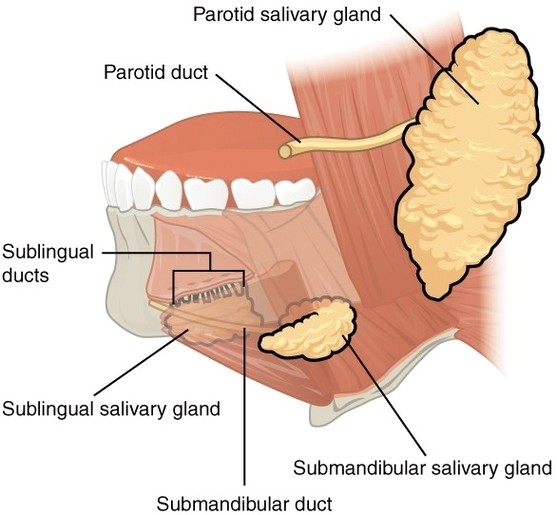
Salivary Glands: The major salivary glandsparotid, submandibular, and sublingualsecrete saliva containing enzymes like amylase to begin starch digestion and lubricate food for swallowing.
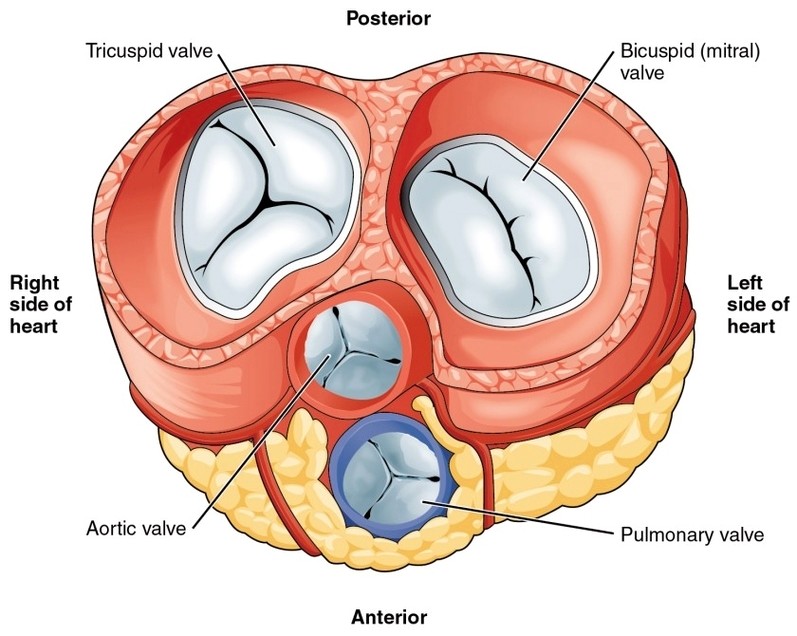
Heart Valves: The hearts four valvestricuspid, pulmonary, mitral, and aorticmaintain unidirectional blood flow and prevent backflow during the cardiac cycle through coordinated opening and closing.
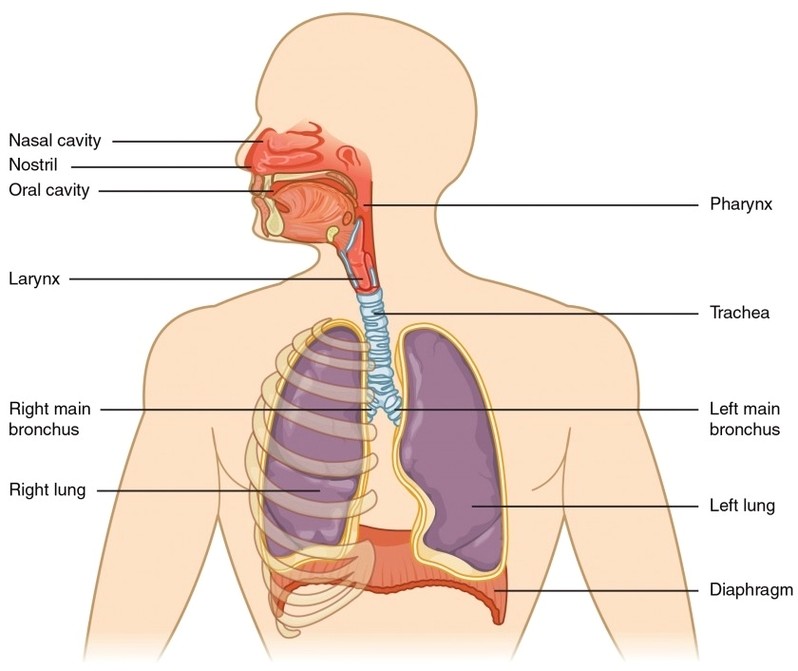
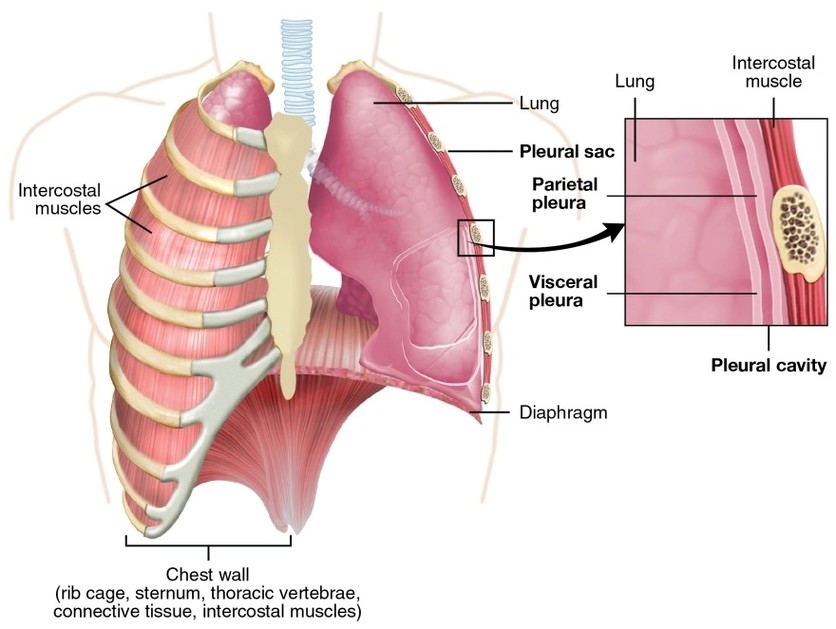
The Lung Pleurae: The lungs are enclosed by the pleuraetwo thin layers of serous membrane (visceral and parietal) separated by pleural fluidwhich reduce friction during breathing and help maintain lung expansion.
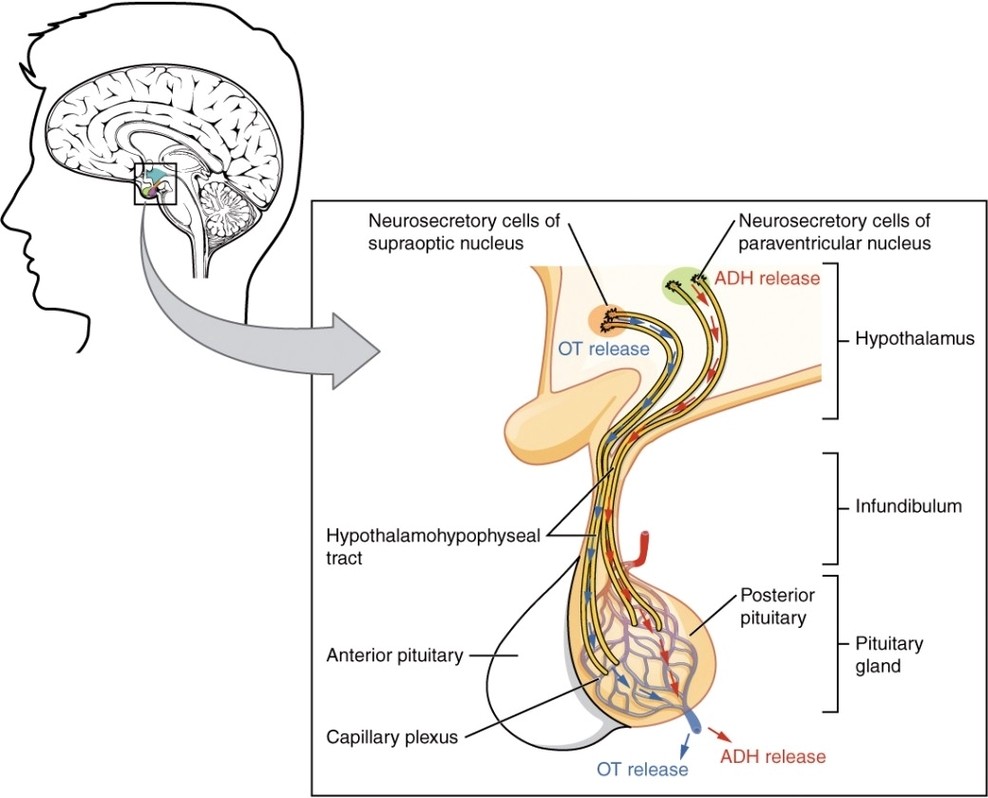
The Posterior Pituitary Complex: The posterior pituitary stores and releases oxytocin and antidiuretic hormone (ADH), both produced in the hypothalamus, affecting uterine contractions and water reabsorption in the kidneys, respectively.
The Location Structure and Histology of the Thymus: The thymus is located in the anterior mediastinum, made of lobules containing cortex and medulla, and supports T cell maturation, especially in childhood.
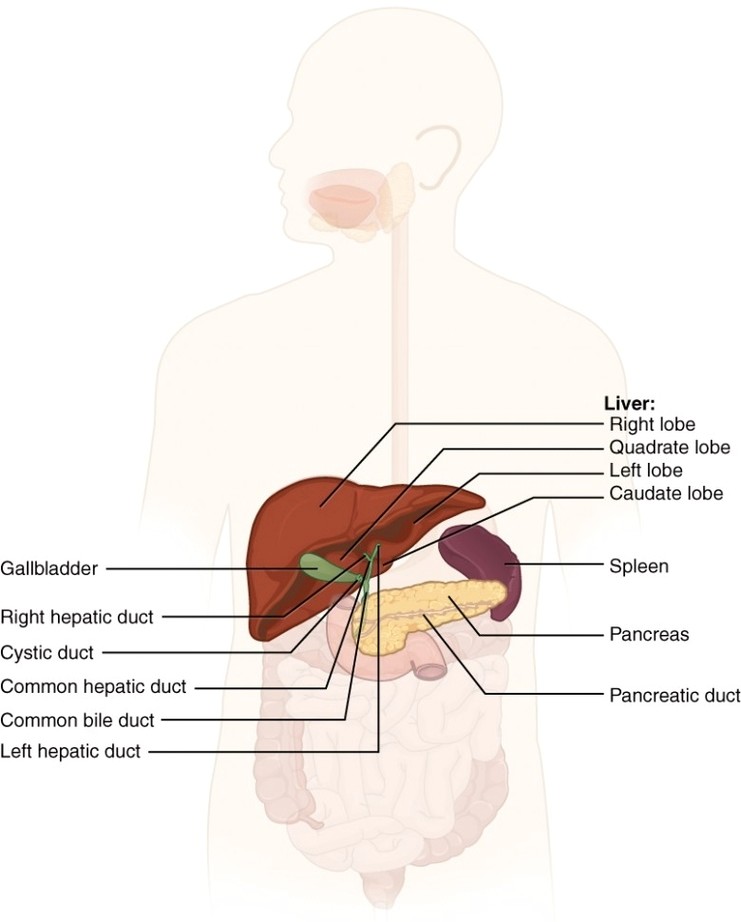
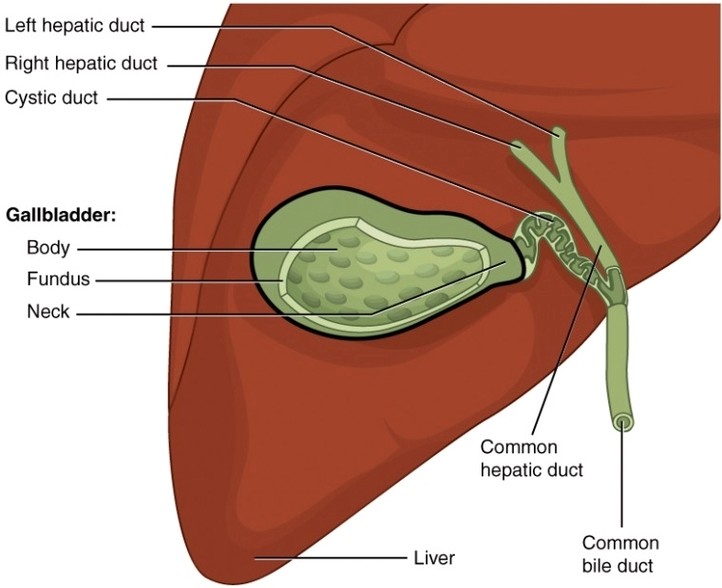
Gallbladder: The gallbladder stores and concentrates bile produced by the liver, releasing it into the small intestine to aid in the digestion and absorption of fats.
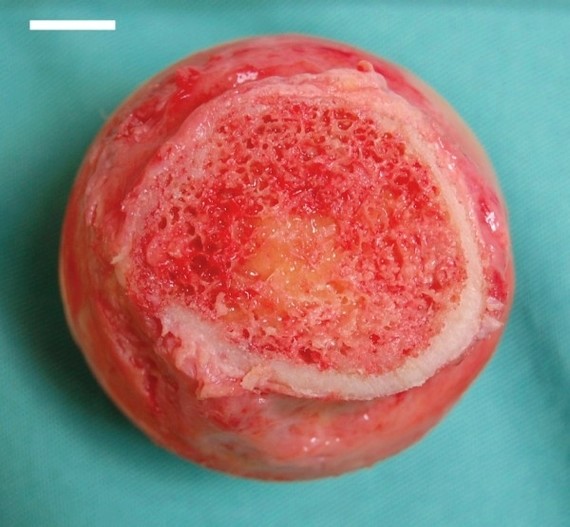
Bone Marrow: Bone marrow is the primary site of blood cell production, including red and white blood cells and platelets, and contains stem cells that support hematopoiesis.
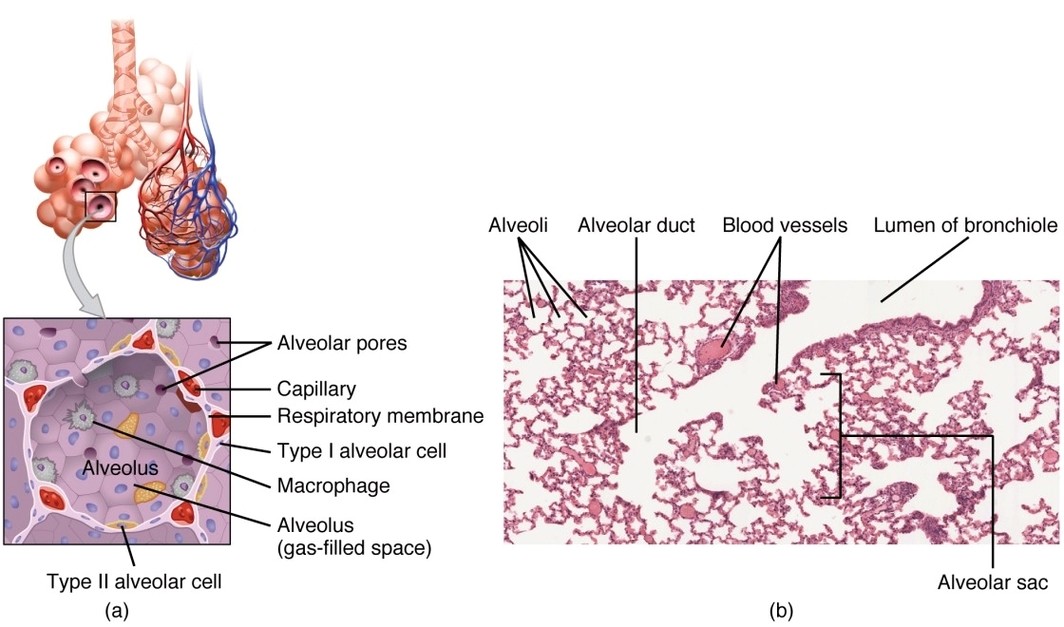
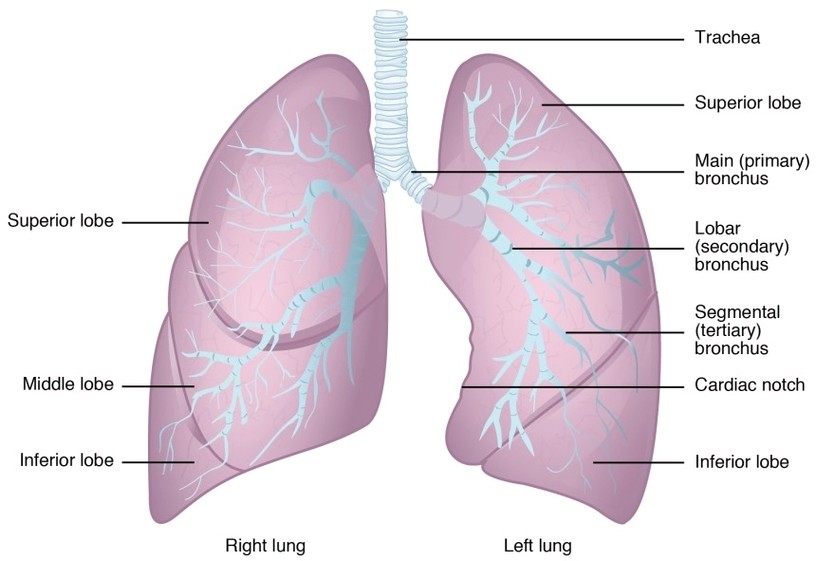
Gross Anatomy of the Lungs: Each lung has lobes (three on the right, two on the left), a hilum for vessel entry/exit, and surfaces that fit into the thoracic cavity, facilitating gas exchange.
Internal Anatomy of the Heart: The heart consists of four chamberstwo atria and two ventriclesalong with valves (tricuspid, mitral, pulmonary, and aortic) that ensure unidirectional blood flow through the cardiac cycle.
Spleen: The spleen filters blood, removes old red blood cells, stores platelets, and plays a key role in the immune response by housing lymphocytes and macrophages.
The Adrenal Glands: The adrenal glands sit atop each kidney and consist of an outer cortex (producing cortisol, aldosterone, and androgens) and an inner medulla (secreting adrenaline and noradrenaline).
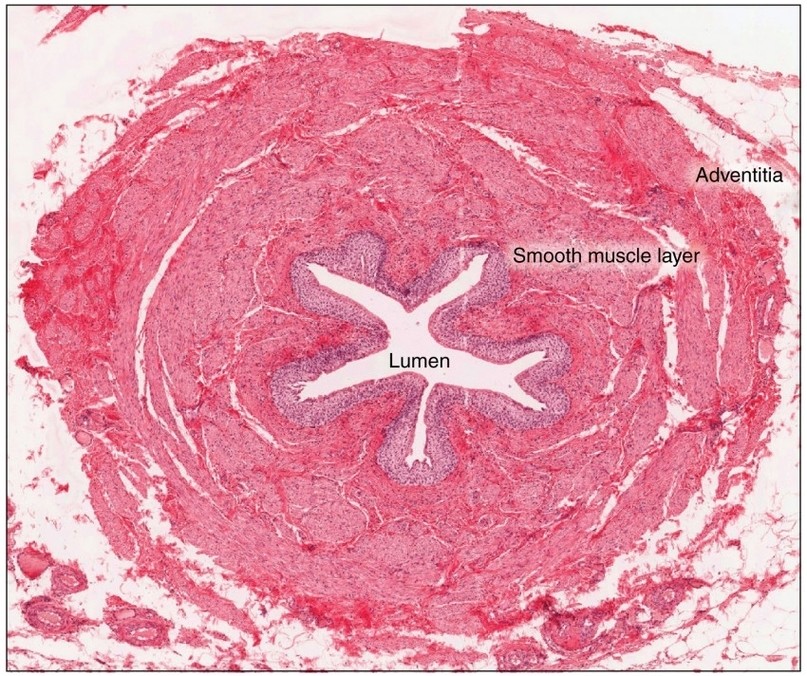
Male Urethra: The male urethra is a dual-purpose tube that conveys urine and semen; it passes through the prostate, urogenital diaphragm, and penis in prostatic, membranous, and spongy sections.
Teniae Coli Haustra Epiploic Appendage: These large intestine structures include teniae coli (longitudinal muscle bands), haustra (pouches), and epiploic appendages (fat-filled sacs), all contributing to motility and structure.
The Parathyroid Glands: The parathyroid glands are small endocrine glands on the posterior thyroid that regulate calcium levels by secreting PTH in response to low blood calcium.
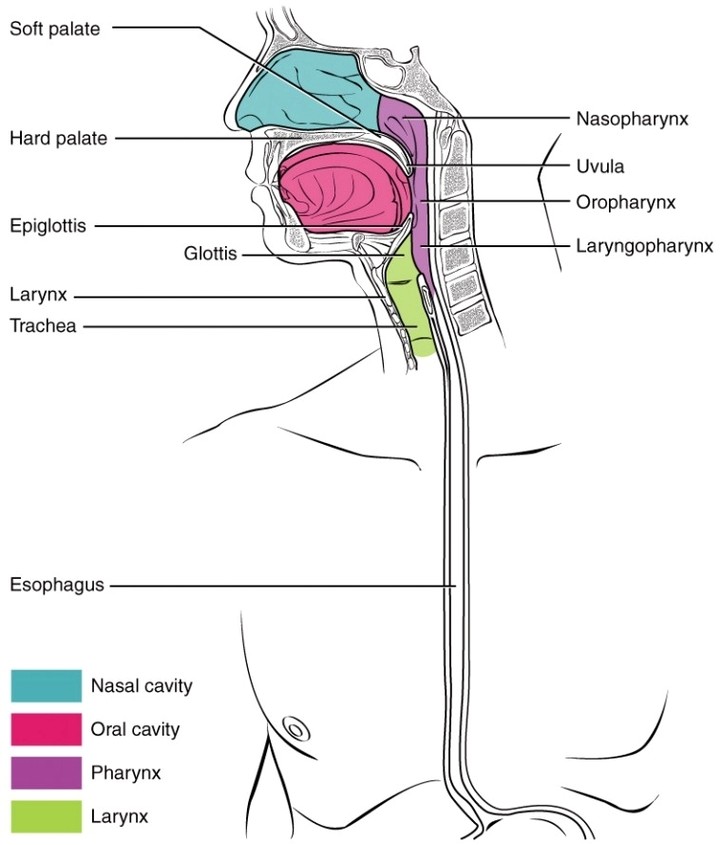
The Trachea: The trachea, or windpipe, is a rigid tube reinforced with C-shaped cartilage rings that conducts air from the larynx to the bronchi while keeping the airway open.
Large Intestine: The large intestine absorbs water and electrolytes from indigestible food matter and forms and stores feces, while also housing beneficial bacteria that aid in digestion and vitamin production.
Human Heart Photo: A detailed photo of the human heart shows its four chambers, major vessels, and coronary arteries, often labeled for anatomical study or medical education.
The Anterior Pituitary Complex: The anterior pituitary produces hormones including ACTH, TSH, GH, FSH, LH, and prolactin, regulated by hypothalamic signals and responsible for growth, metabolism, and reproductive function.