

Common Carotid Artery
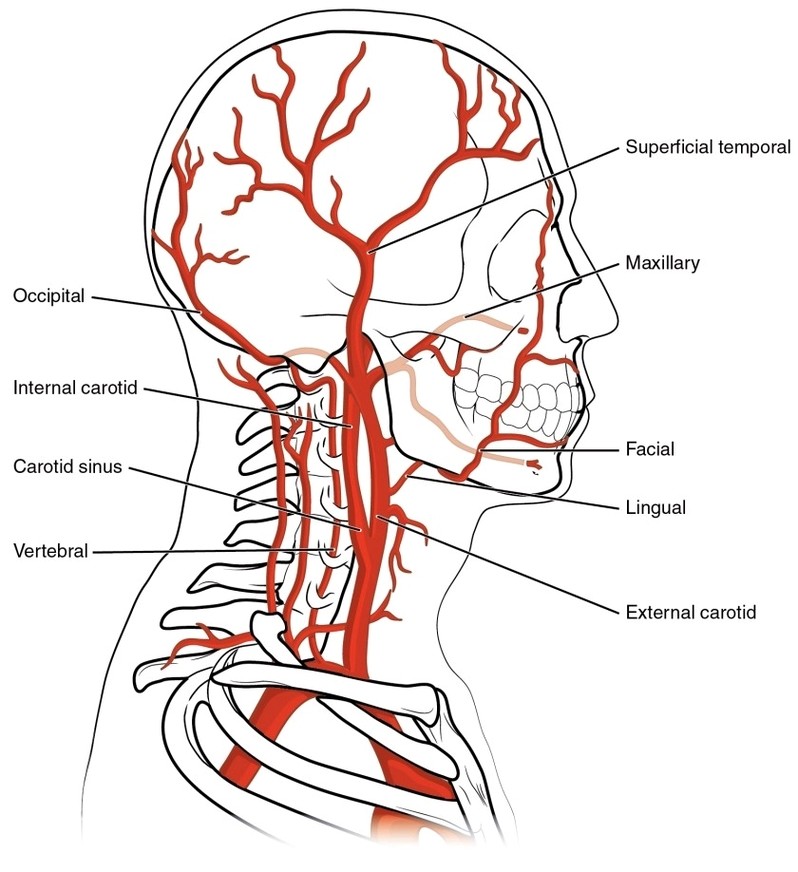
Common Carotid Artery: The common carotid arteries run along the neck and bifurcate into the internal and external carotids, supplying blood to the brain, face, and neck.
Common Carotid Artery: The common carotid arteries run along the neck and bifurcate into the internal and external carotids, supplying blood to the brain, face, and neck.
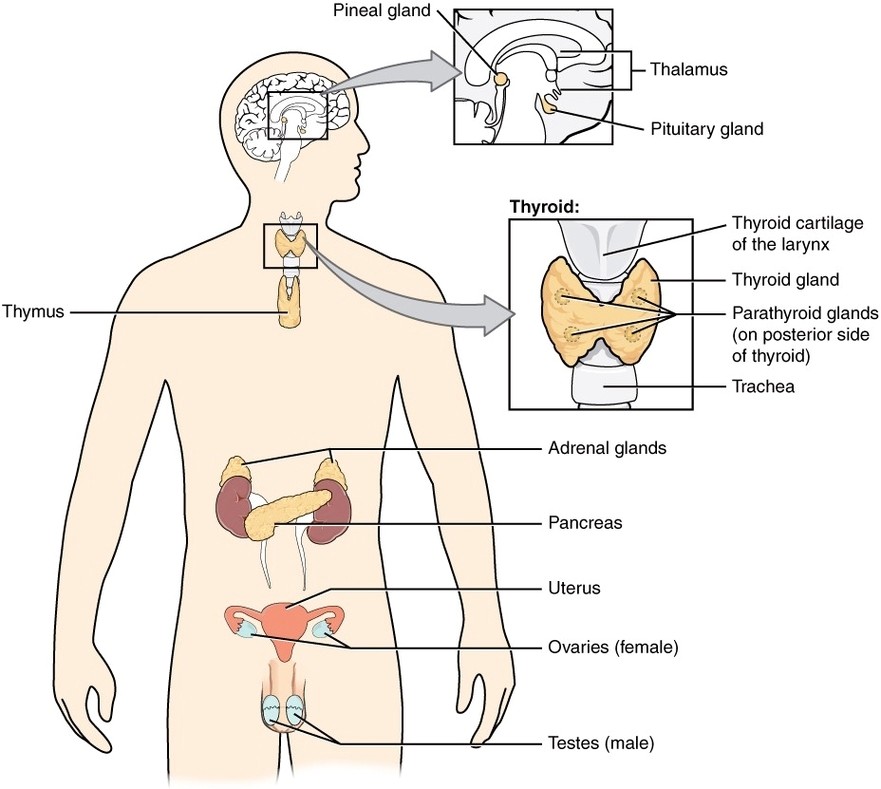
Endocrine System: The endocrine system is a network of glands that release hormones into the bloodstream to regulate processes like metabolism, growth, reproduction, and homeostasis.
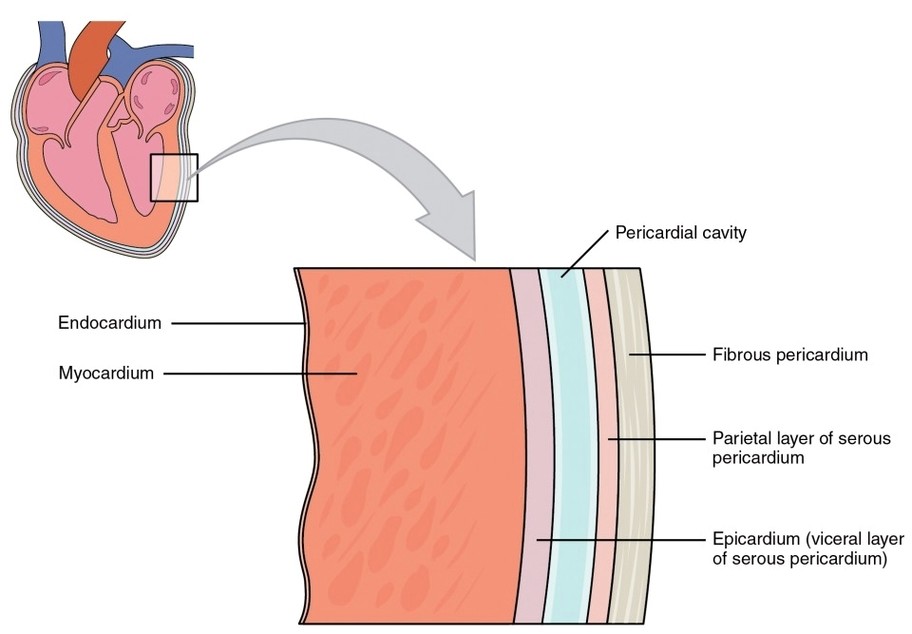
Heart Wall: The heart wall consists of three layers: the epicardium (outer), myocardium (middle muscular layer), and endocardium (inner lining), each contributing to the hearts structure and function.
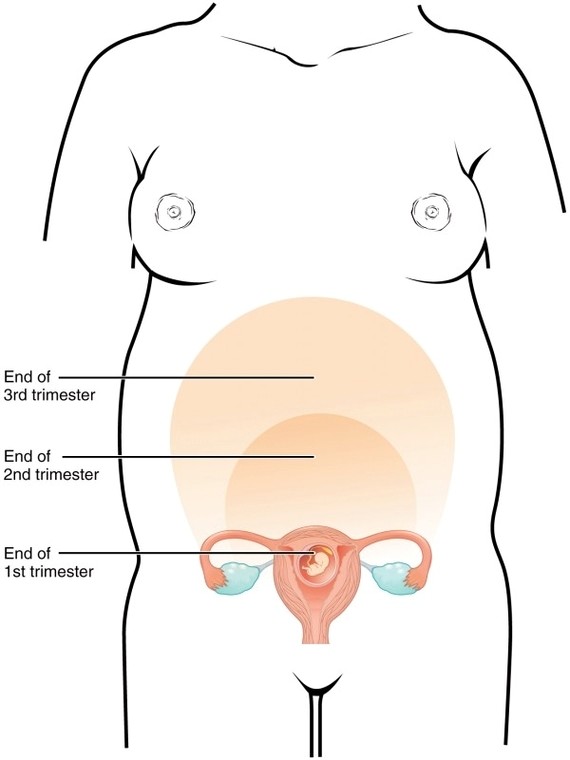
Size of Uterus Throughout Pregnancy: The uterus expands dramatically during pregnancy, growing from a small pelvic organ to a structure that can reach the rib cage to accommodate fetal development.
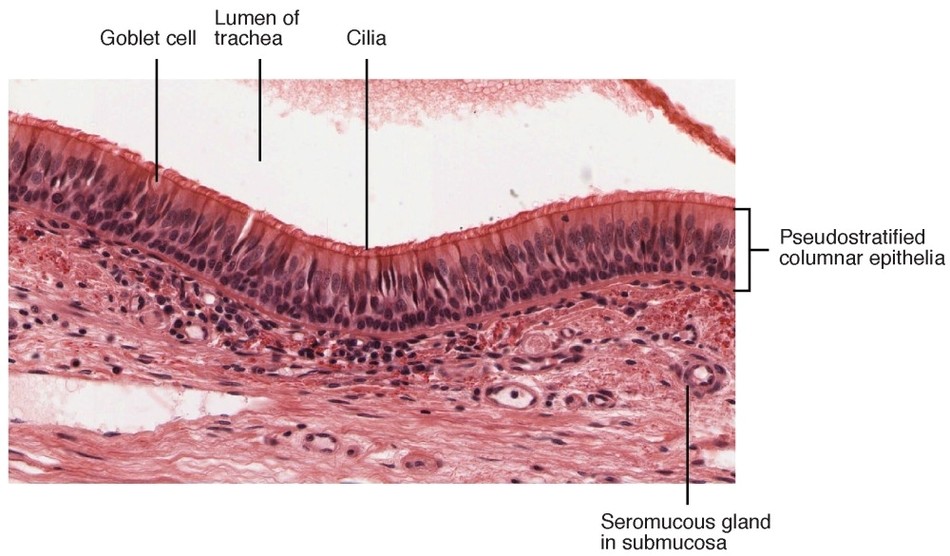
Pseudostratified Epithelium: Pseudostratified epithelium appears layered due to nuclei at different heights but is a single layer of cells, commonly found in the respiratory tract with cilia.
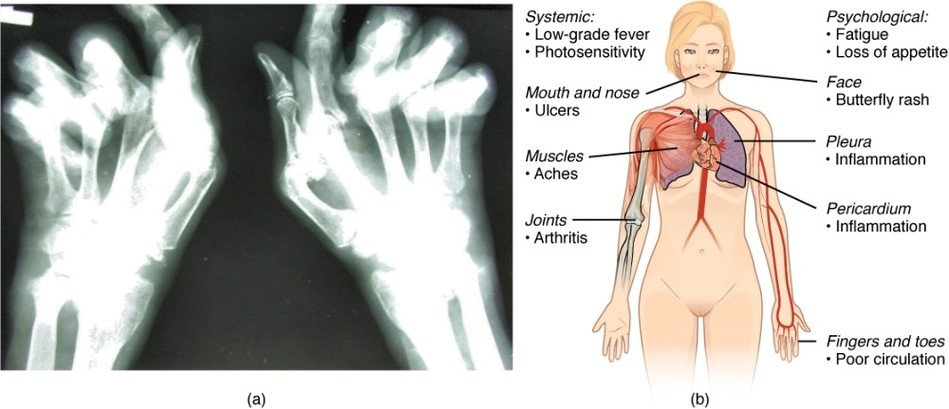
Autoimmune Disorders Rheumatoid Arthritis and Lupus: In rheumatoid arthritis and lupus, the immune system mistakenly attacks the body’s own tissuesjoints in RA and multiple organs in lupuscausing inflammation and systemic damage.
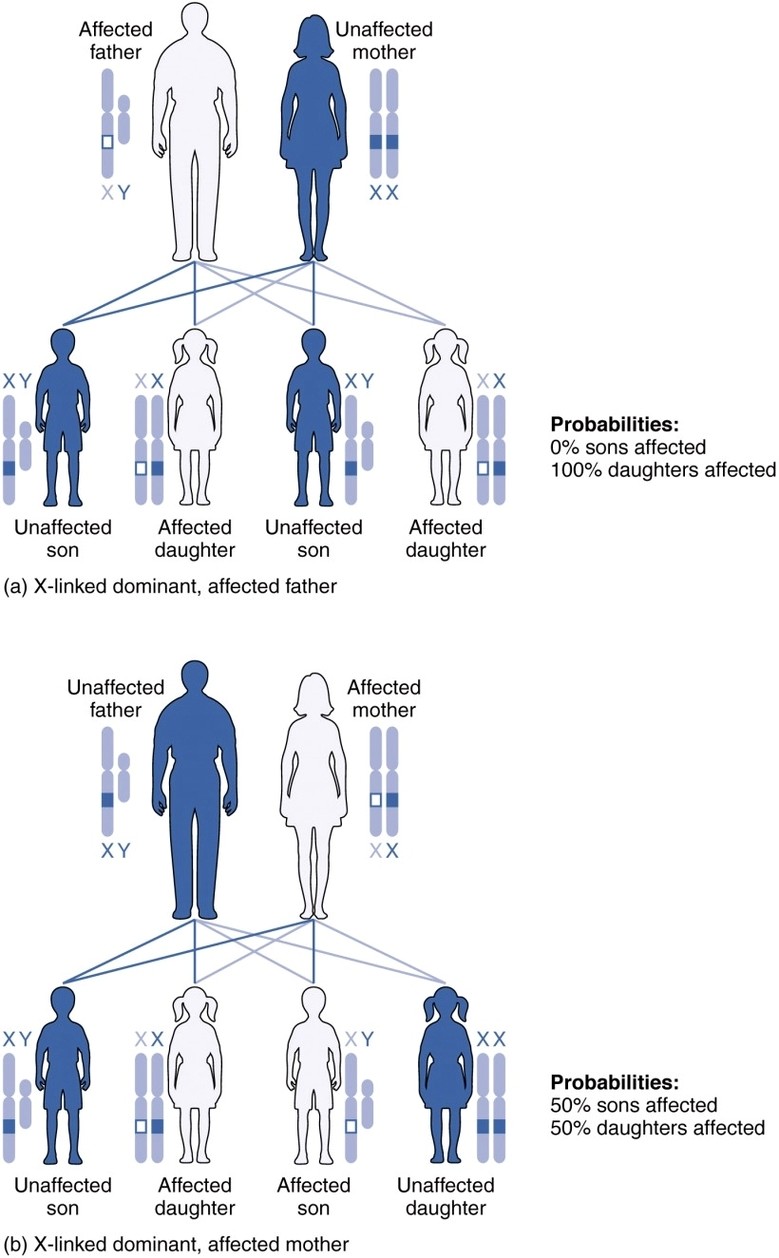
X linked Dominant Inheritance new: X-linked dominant inheritance occurs when a single mutated gene on the X chromosome causes a disorder in both males and females, often more severe in males due to the absence of a second X.
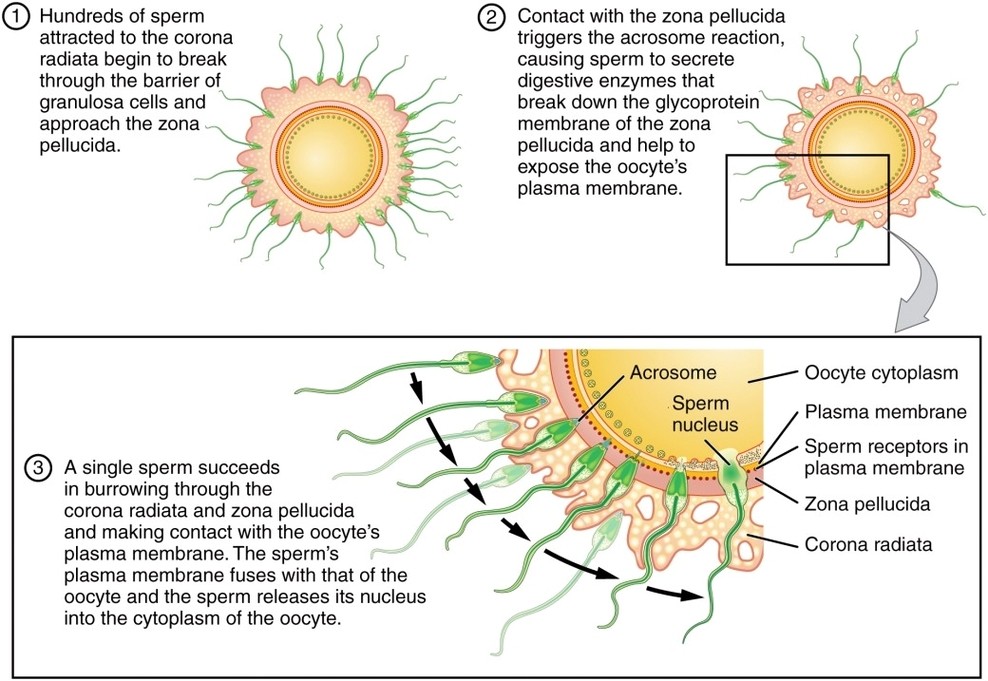
Sperm Fertilization: Sperm must undergo capacitation before penetrating the eggs outer layers and fusing with the oocyte membrane, initiating fertilization and forming a zygote.
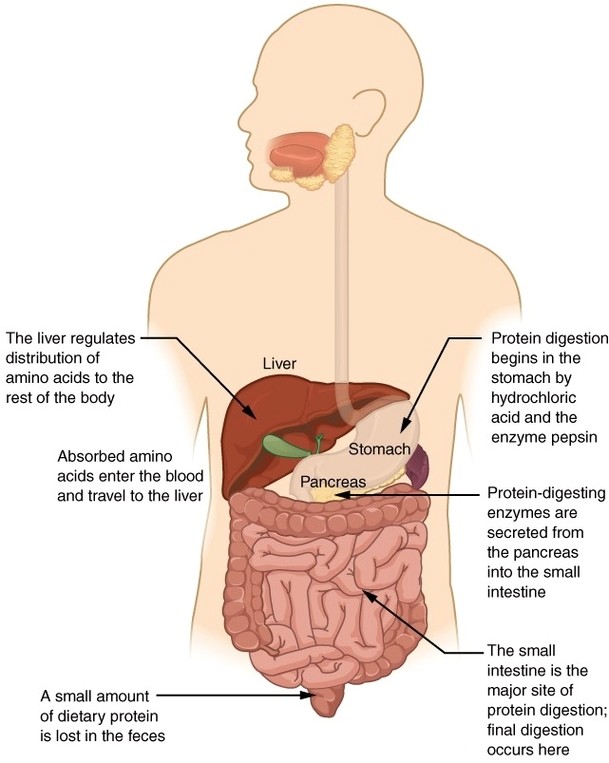
Digestion of Proteins Physiology: Protein digestion begins in the stomach, where the enzyme pepsin breaks down complex proteins into smaller peptides. This process continues in the small intestine, where pancreatic enzymes like trypsin and chymotrypsin further degrade peptides into amino View Diagram Digestion of Proteins Physiology

Blood Flow in the Nephron: Blood enters the nephron through the afferent arteriole, passes through the glomerulus, and exits via the efferent arteriole, with filtration and reabsorption occurring along the tubules.
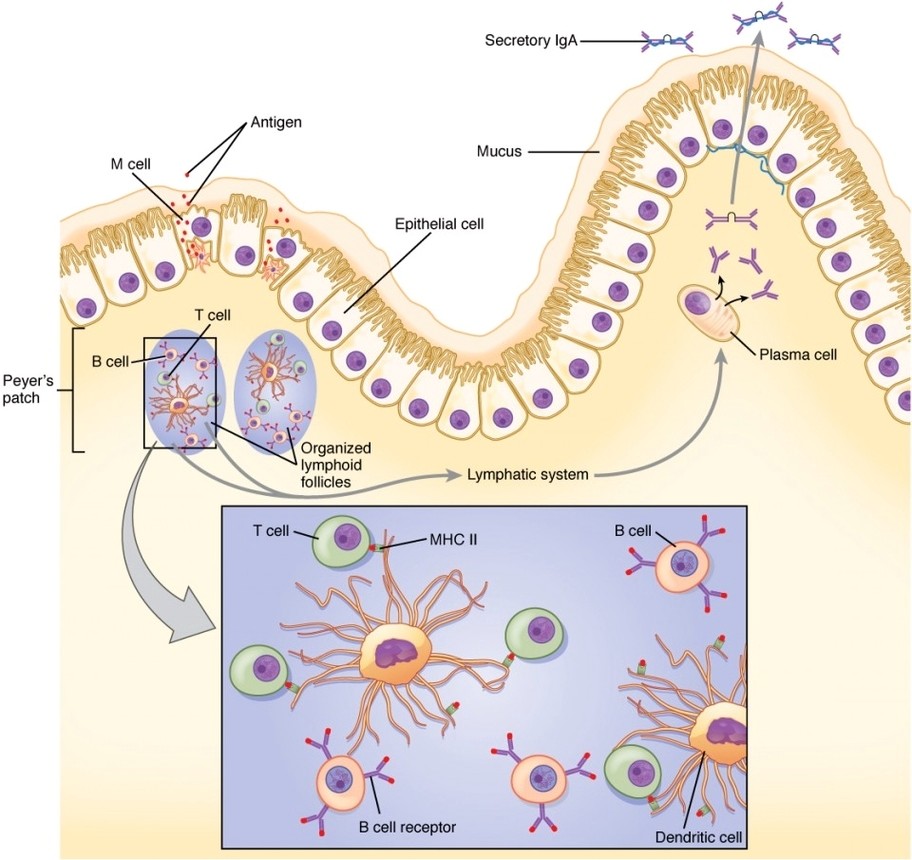
IgA Immunity: IgA is the main antibody found in mucosal surfaces like the respiratory and digestive tracts, playing a key role in neutralizing pathogens and preventing their entry into the body.

Microscopic Anatomy of Liver: The liver is composed of hexagonal lobules centered around a central vein, with plates of hepatocytes radiating outward. Between these plates are sinusoids that allow blood to flow past hepatocytes for filtration, metabolism, and detoxification.
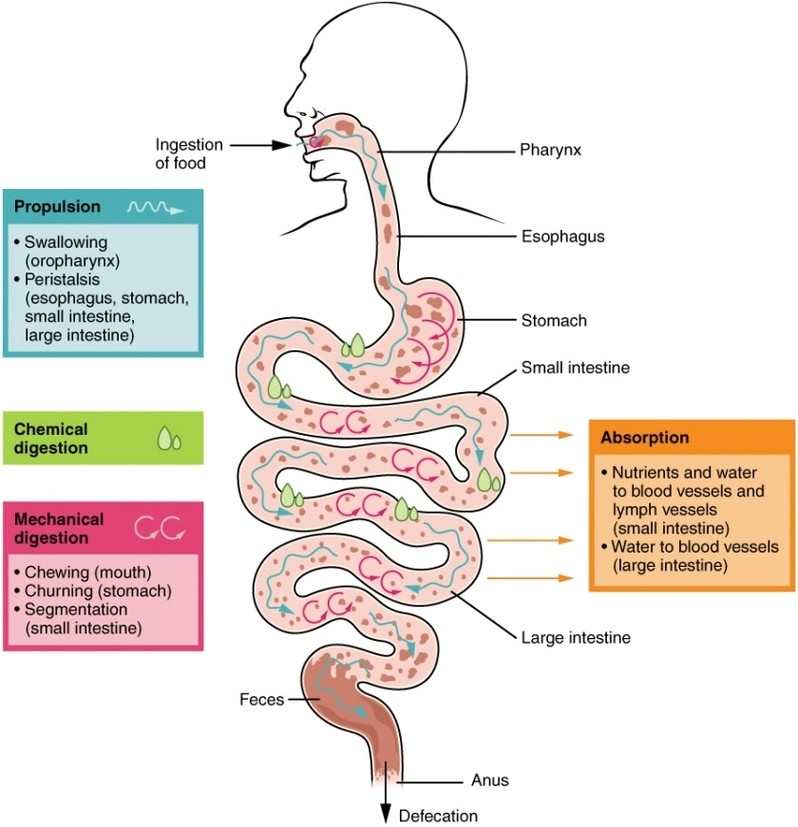
Digestive Process: The digestive process involves ingestion, propulsion, mechanical and chemical digestion, absorption of nutrients, and elimination of indigestible substances through defecation.
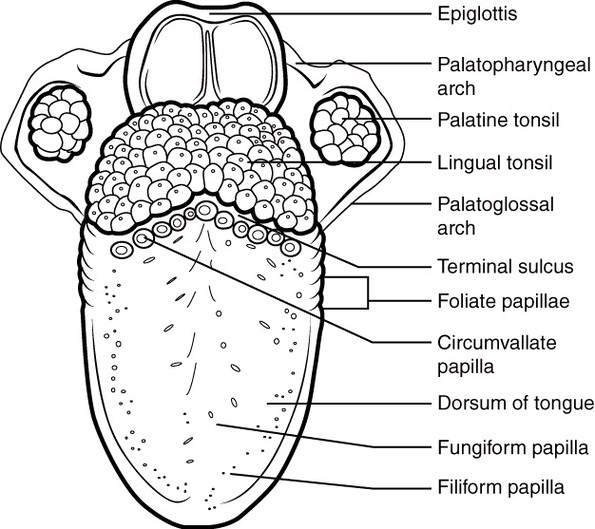
Tongue: The tongue is a muscular organ involved in taste, speech, and food manipulation, covered in papillae that contain taste buds and controlled by intrinsic and extrinsic muscles.
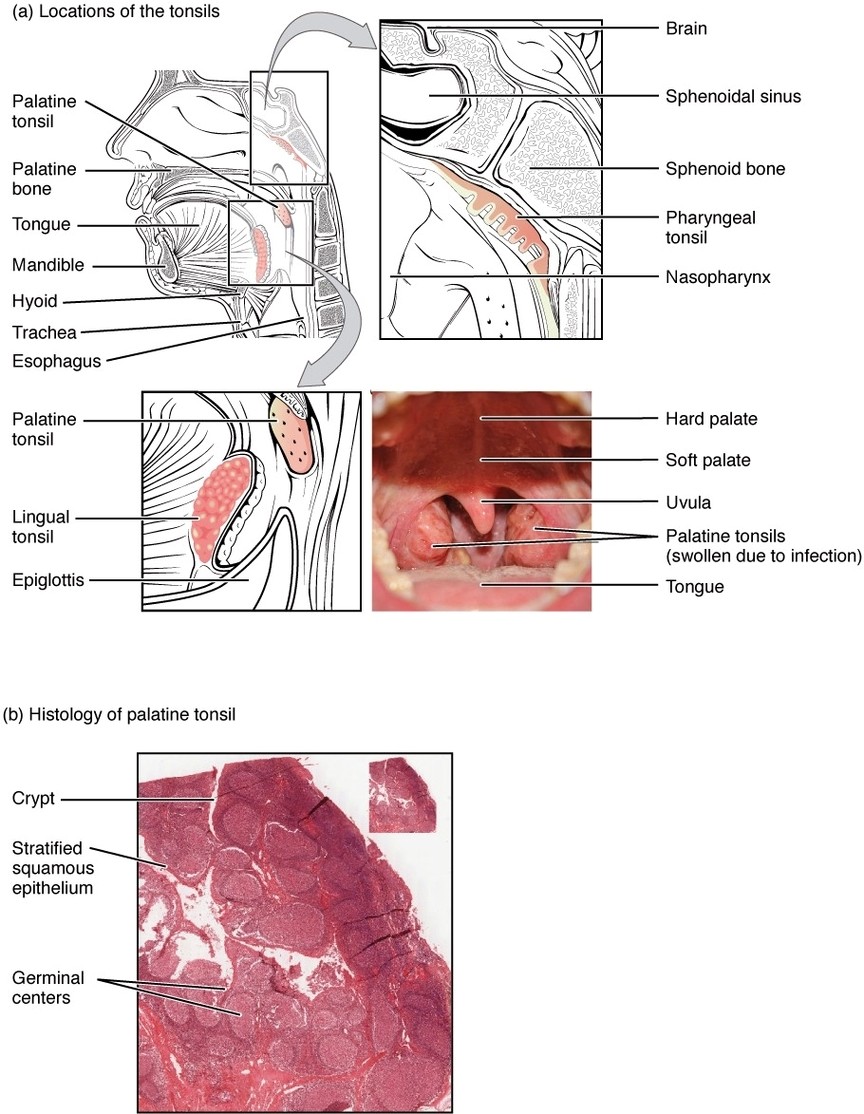
Location and History of Tonsils: Tonsils are lymphoid tissues located in the oropharynx and nasopharynx; they help defend against inhaled or ingested pathogens and are commonly removed in cases of chronic infection.
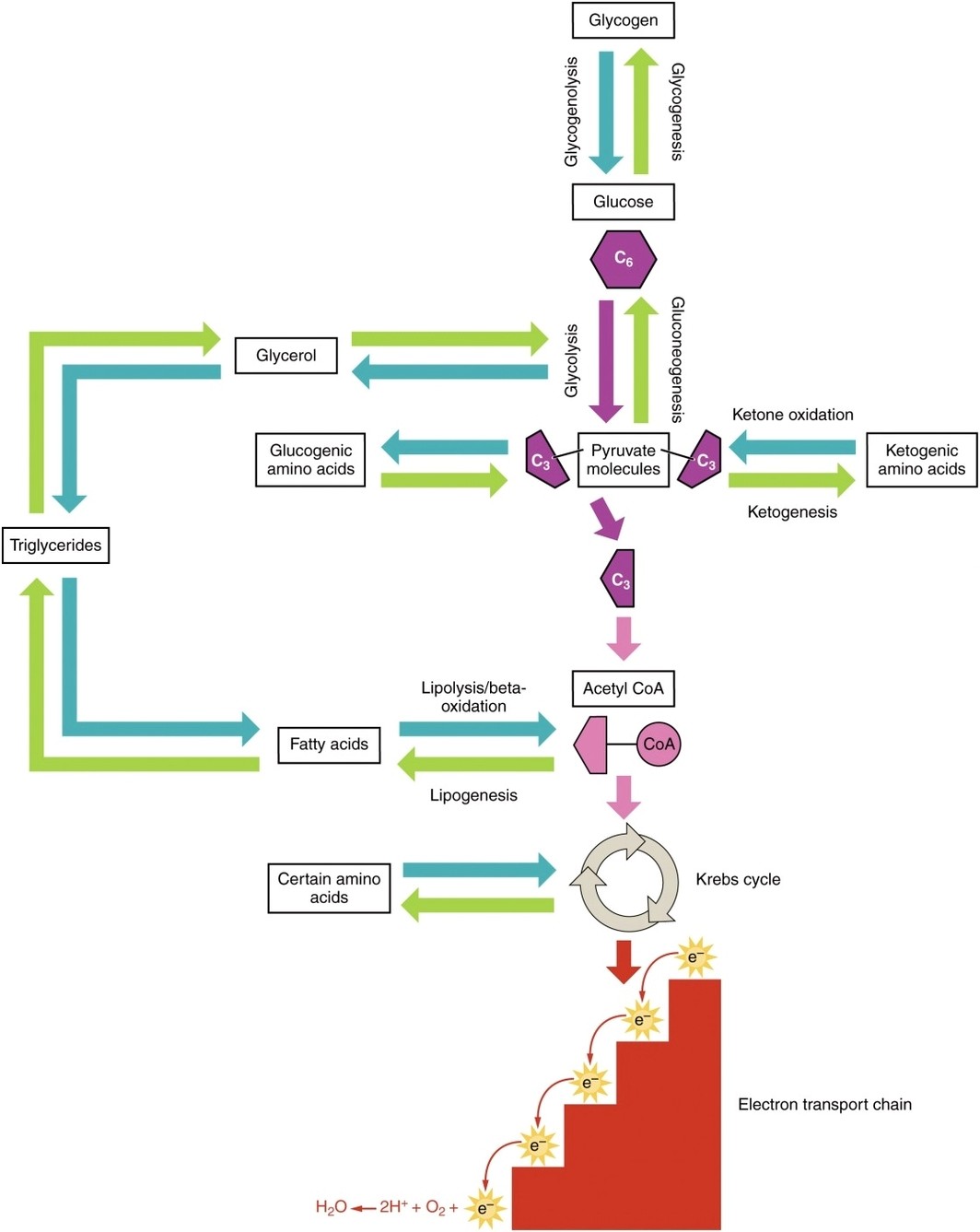
Catabolic and Anabolic Pathways: Catabolic pathways break down complex molecules to release energy, while anabolic pathways use energy to synthesize complex molecules from simpler ones, together maintaining metabolic balance.
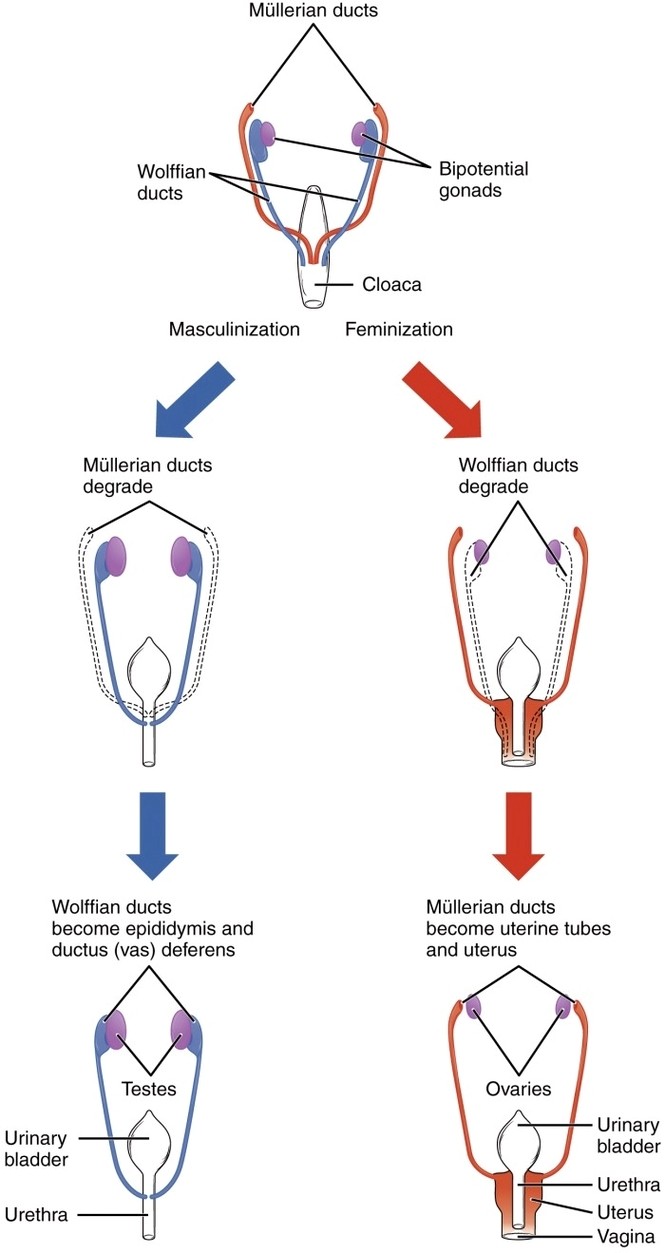
Sexual Differentiation: Sexual differentiation begins with genetic sex (XX or XY), then proceeds under hormonal influence, with testes producing testosterone that drives male development and its absence allowing female structures to develop.
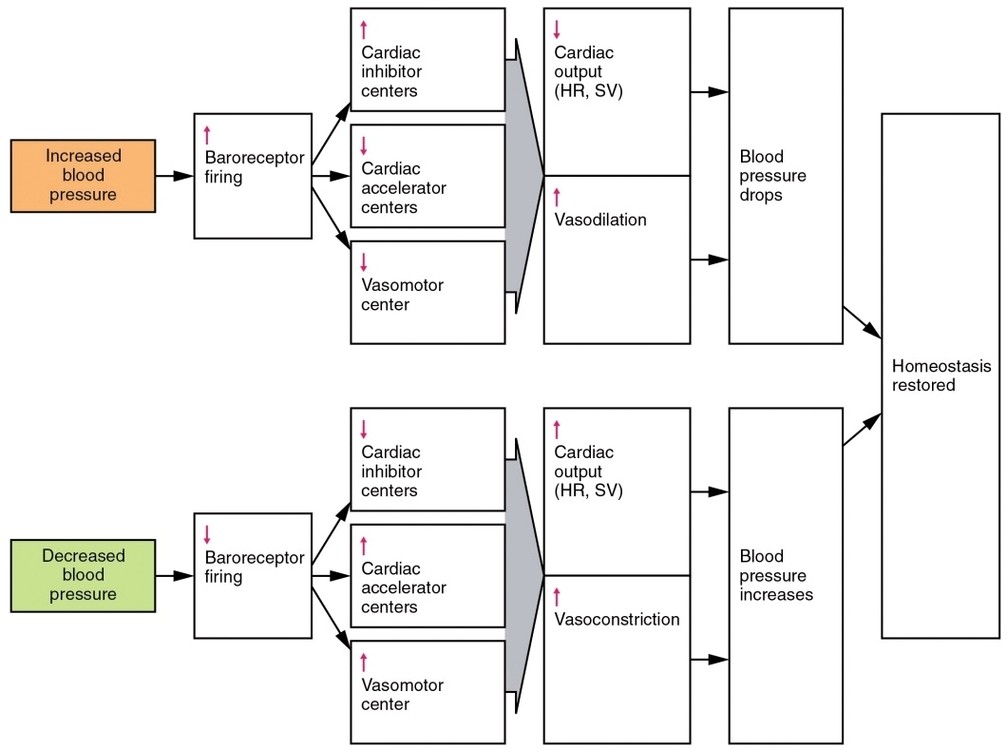
Baroreceptor Reflex Flow Art: The baroreceptor reflex helps maintain blood pressure homeostasis by detecting changes in arterial stretch and triggering heart rate and vessel tone adjustments via the autonomic nervous system.
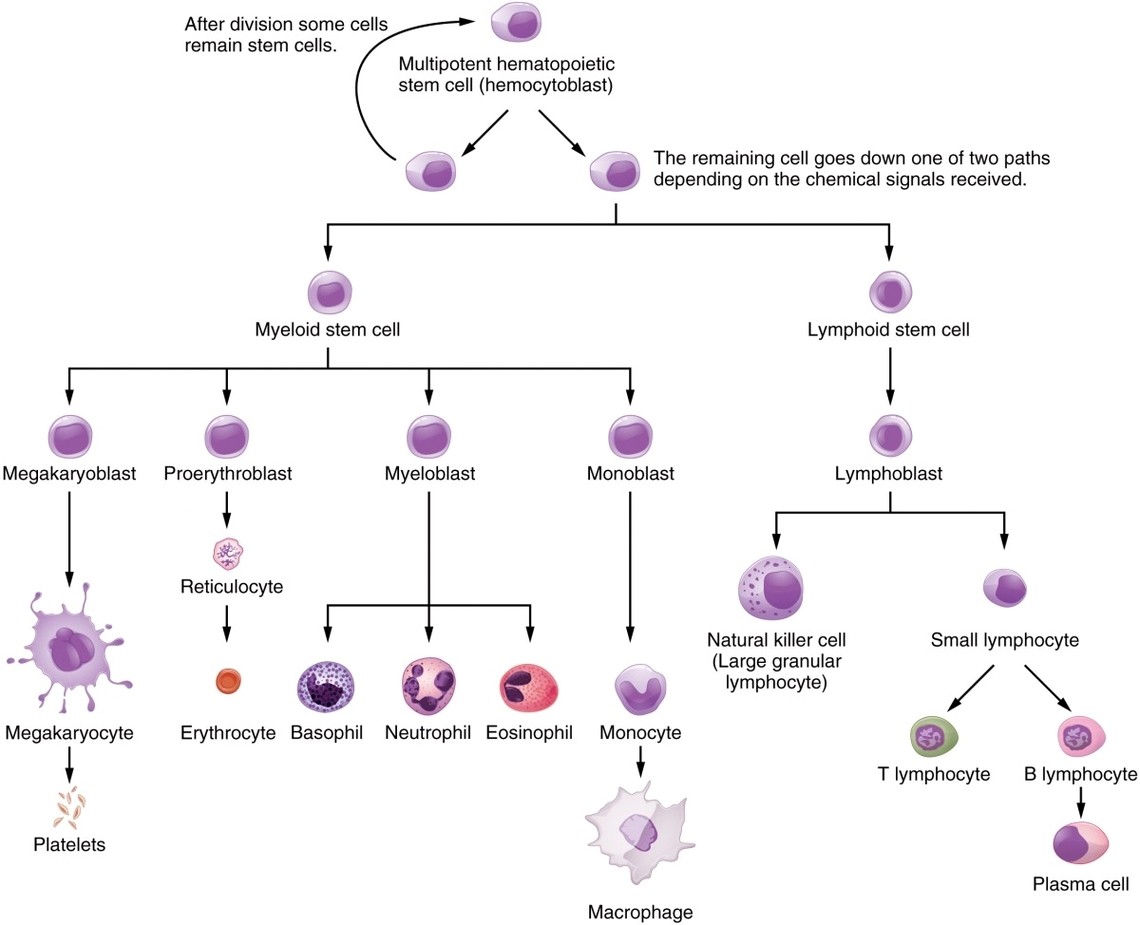
The Hematopoietic System of the Bone Marrow new: The bone marrows hematopoietic system consists of stem cells that differentiate into various blood cell types, providing a continuous supply of cells vital for immunity, oxygen transport, and clotting.