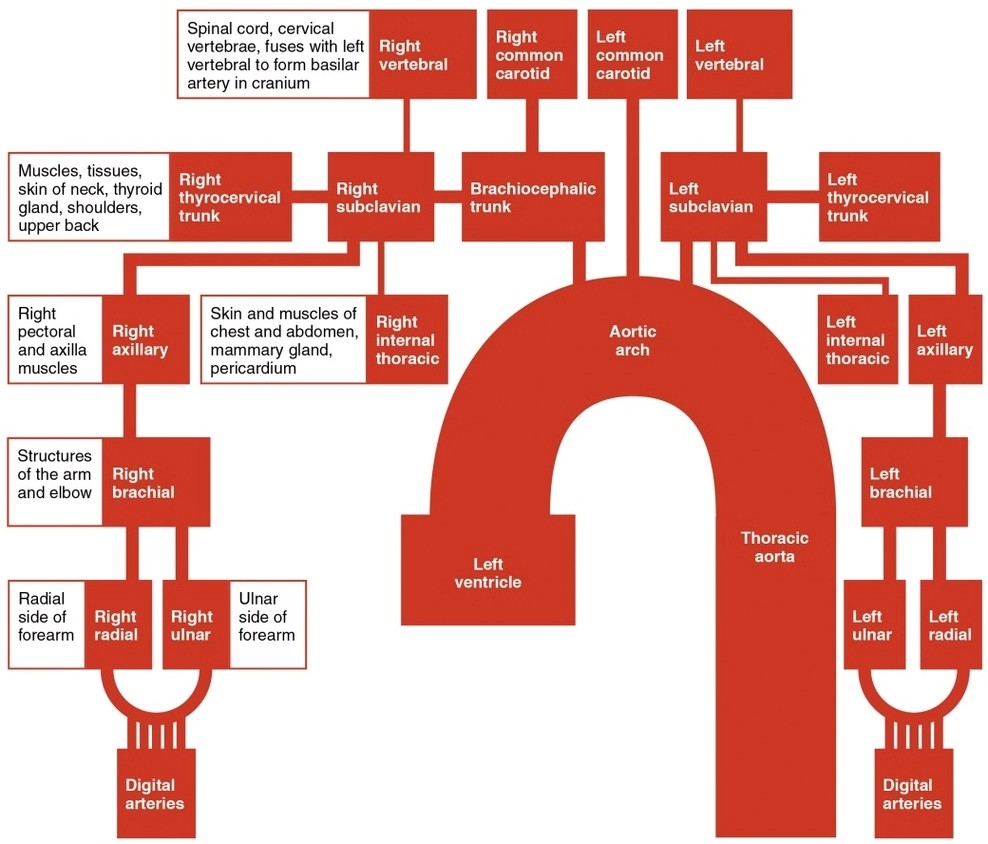
Thoracic Upper Limb Arteries Chart: The thoracic and upper limb arteries include branches from the subclavian and axillary arteries, supplying blood to the chest, shoulder, arm, and hand through a complex arterial network.
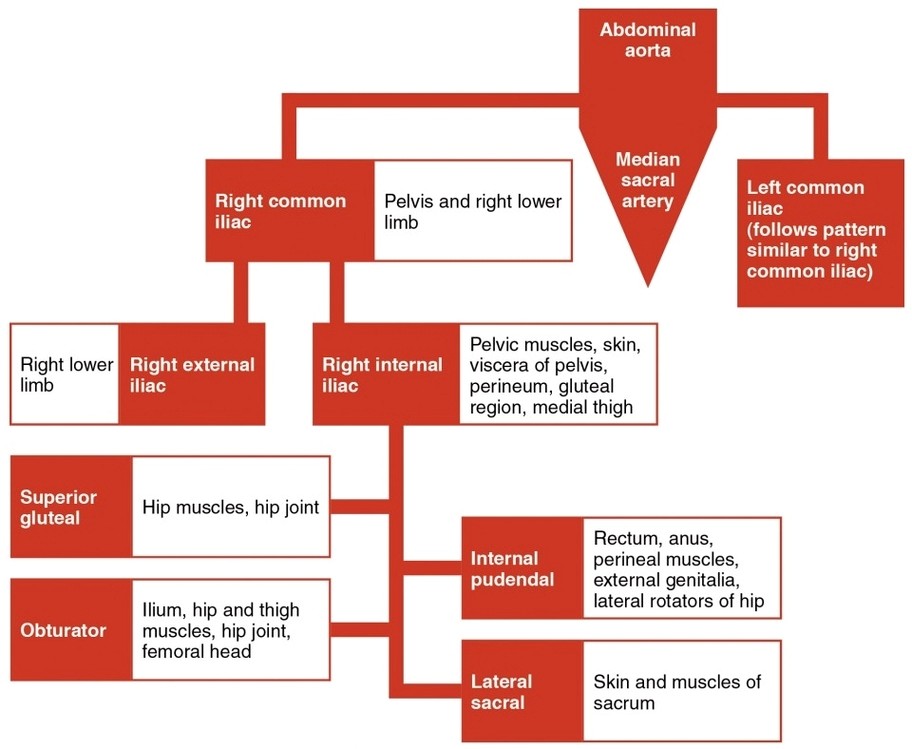
Iliac Artery Branches Chart: The iliac arteries split from the abdominal aorta and include the common, internal, and external iliac arteries, which supply blood to the pelvis, lower limbs, and reproductive organs.
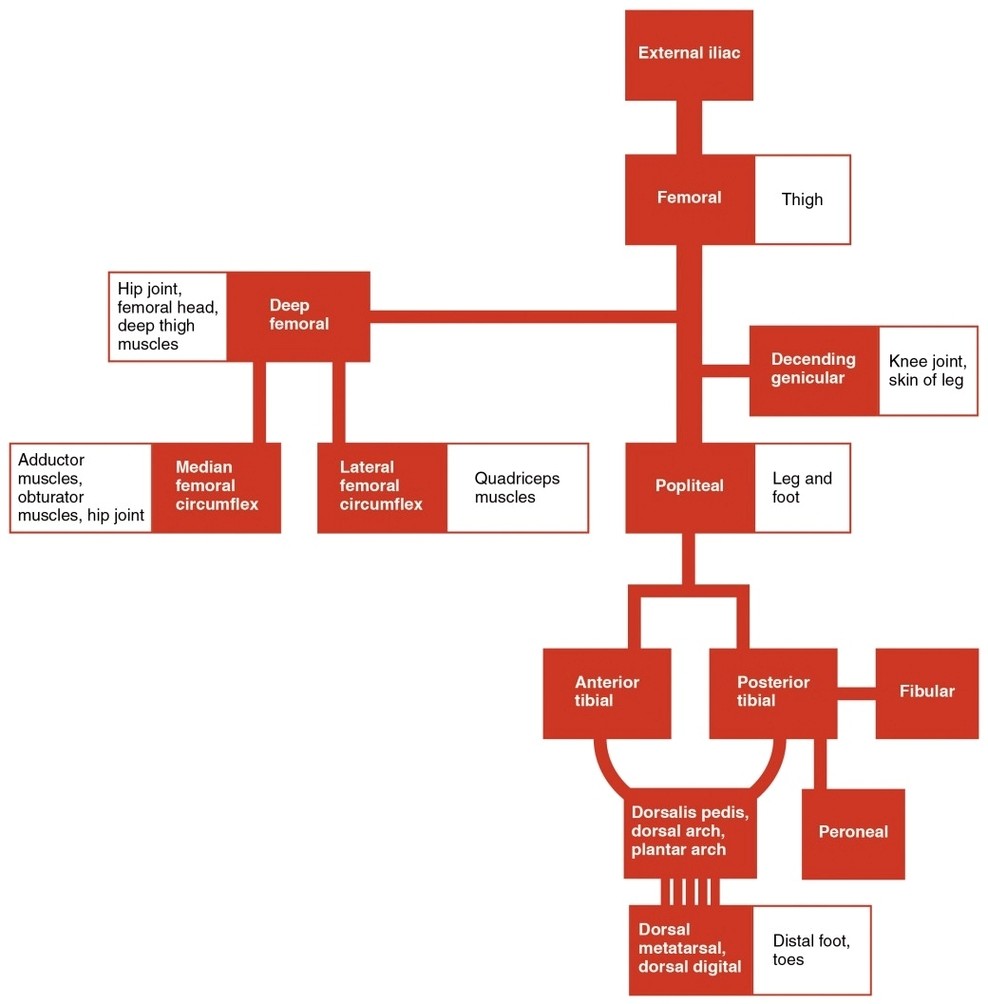
Lower Limb Arteries Chart: The lower limb arterial system includes the femoral, popliteal, anterior tibial, posterior tibial, and dorsalis pedis arteries, supplying oxygenated blood to the leg and foot.
Lower Limb Arteries Anterior Posterior: The anterior and posterior tibial arteries, along with the femoral and popliteal arteries, supply oxygenated blood to the muscles and skin of the leg and foot.
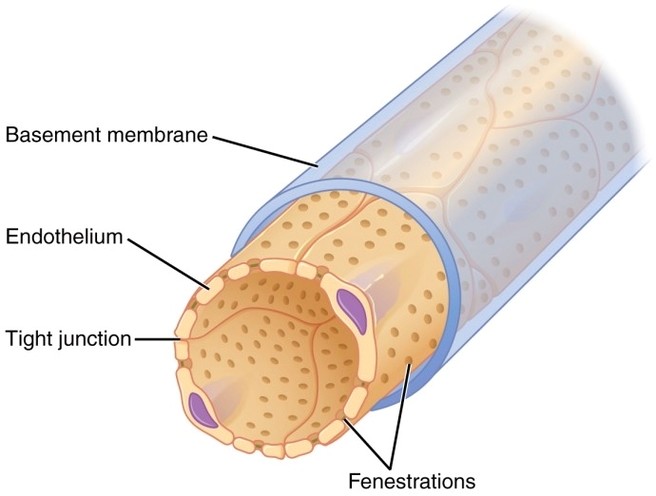
Fenestrated Capillary: Fenestrated capillaries have pores in their walls that allow for rapid exchange of water and small solutes, commonly found in kidneys, intestines, and endocrine glands.
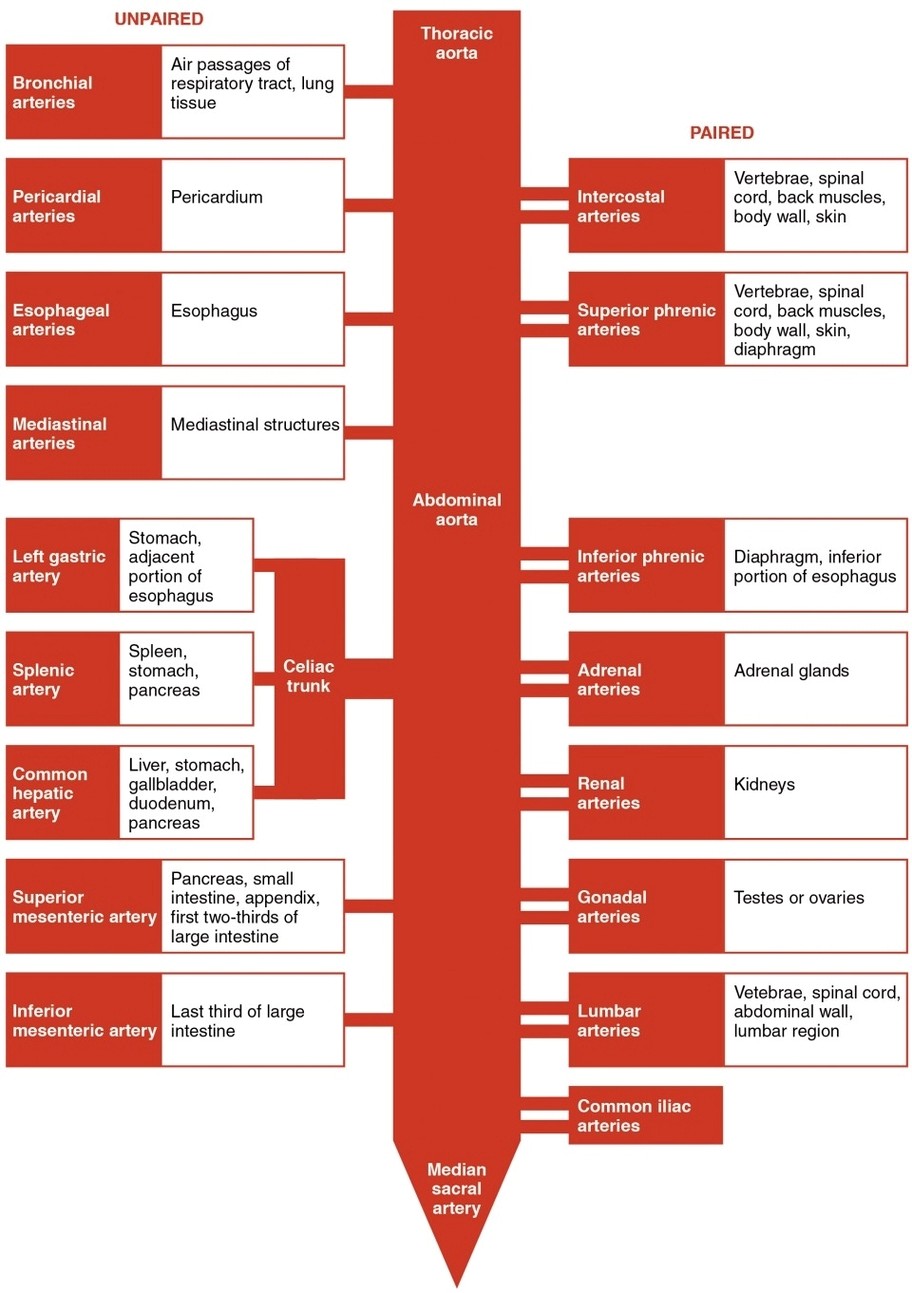
Thoracic Abdominal Arteries Chart: This chart maps the major arteries branching from the thoracic and abdominal aorta, such as intercostal, celiac, mesenteric, and renal arteries that supply the torso and organs.
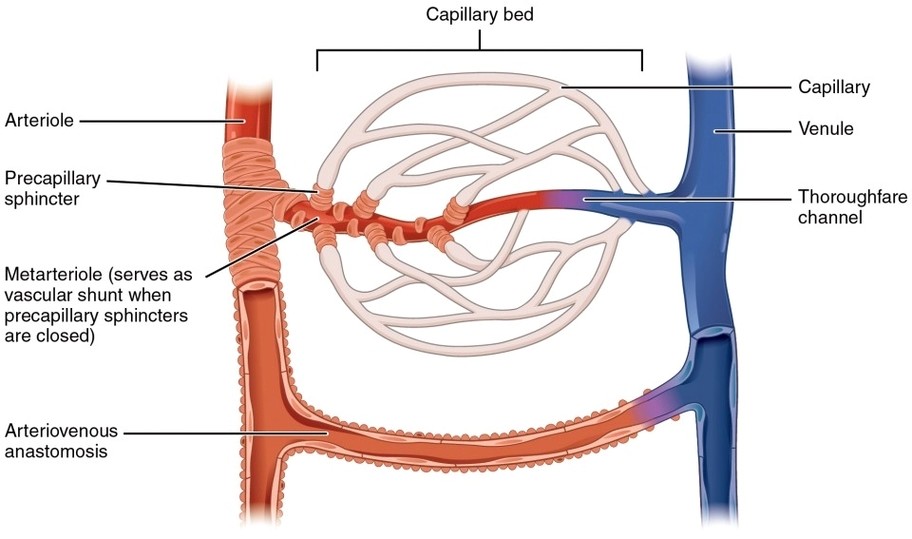
Capillary Bed: Capillary beds are networks of microscopic vessels where exchange of oxygen, nutrients, and waste occurs between blood and surrounding tissues, regulated by precapillary sphincters that control blood flow.
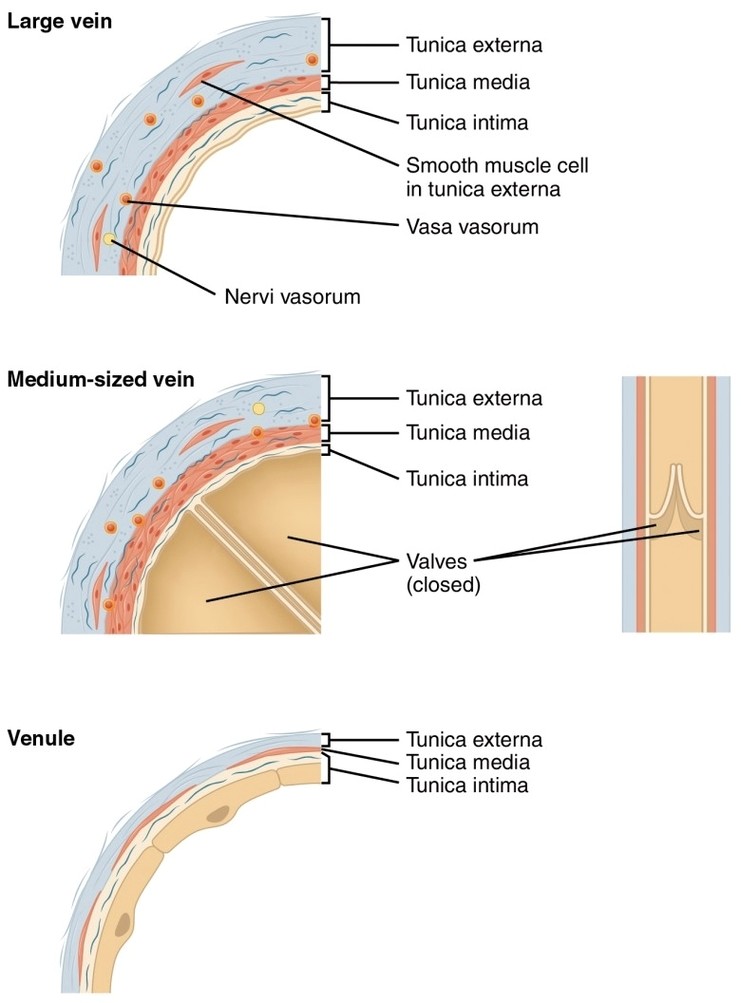
Large Medium Vein Venule: Venous return involves small venules merging into medium and large veins; these vessels have thinner walls than arteries and contain valves to prevent backflow.