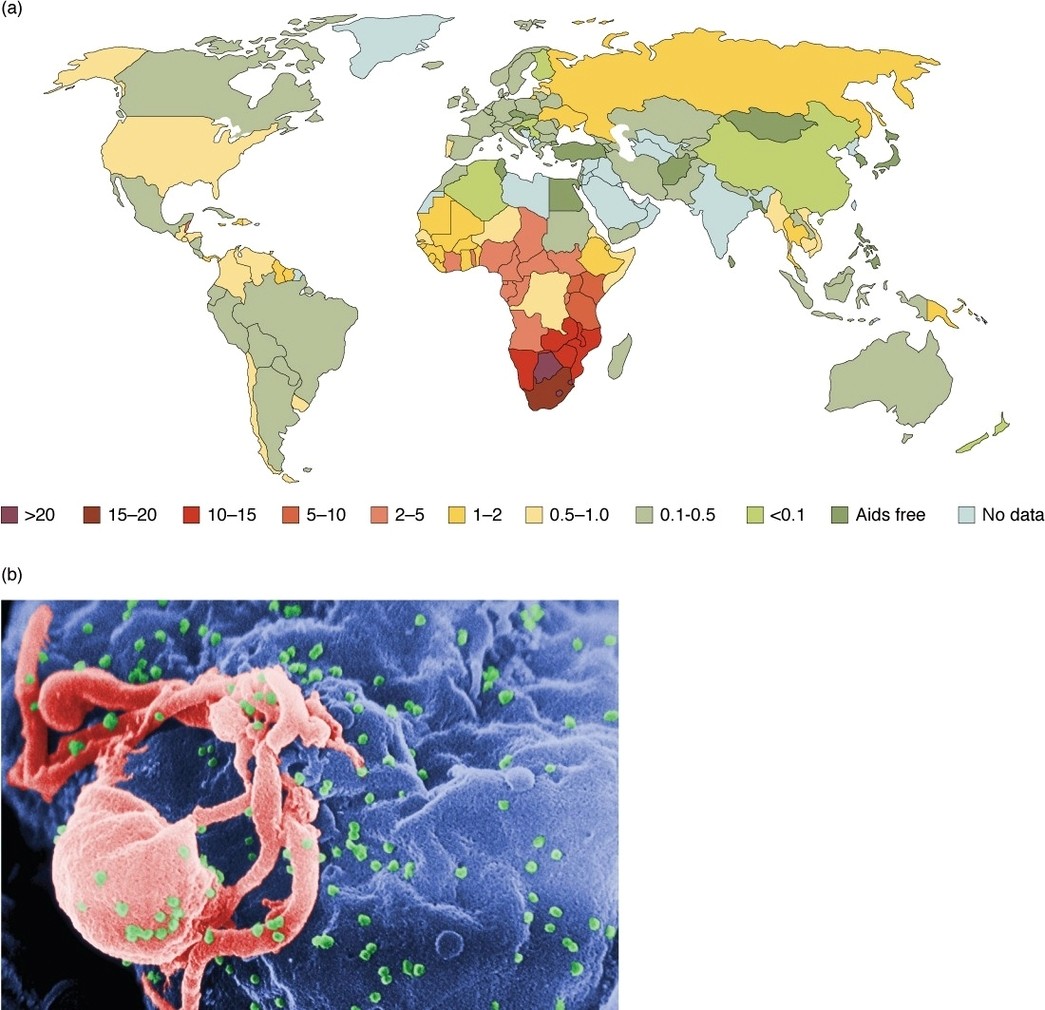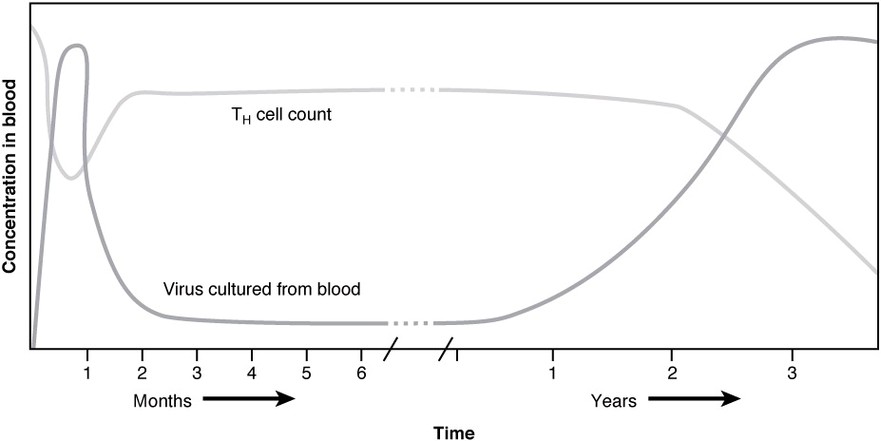
The Worldwide AIDS Epidemic: AIDS, caused by the HIV virus, has spread globally, with millions infected; it weakens the immune system by targeting CD4+ T cells, leaving individuals vulnerable to opportunistic infections and certain cancers.
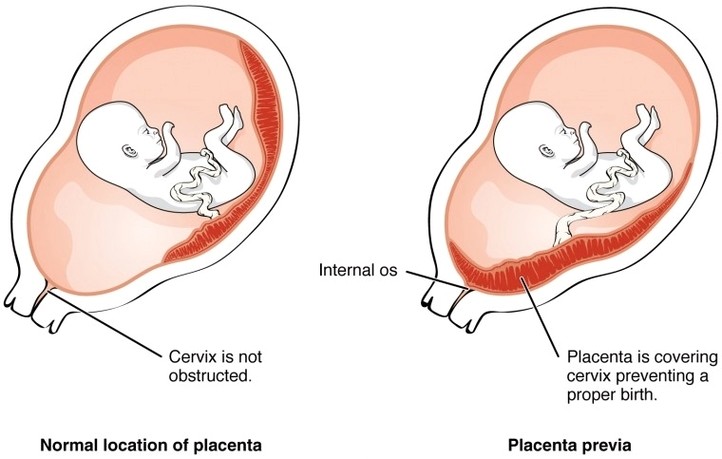
Placenta Previa: Placenta previa occurs when the placenta partially or completely covers the cervix, posing a risk of bleeding during pregnancy and often requiring C-section delivery.
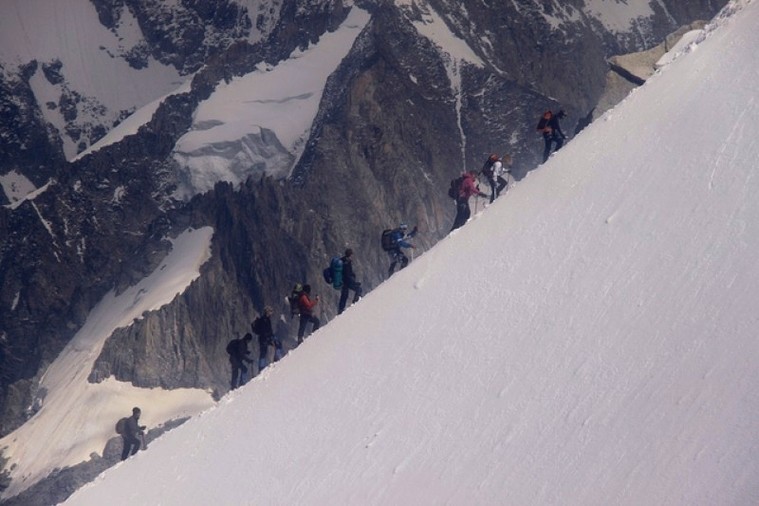
Mountain Climbers: Mountain climbers are a high-intensity, full-body exercise that improves cardiovascular endurance, core strength, and agility by simulating a climbing motion in a plank position.
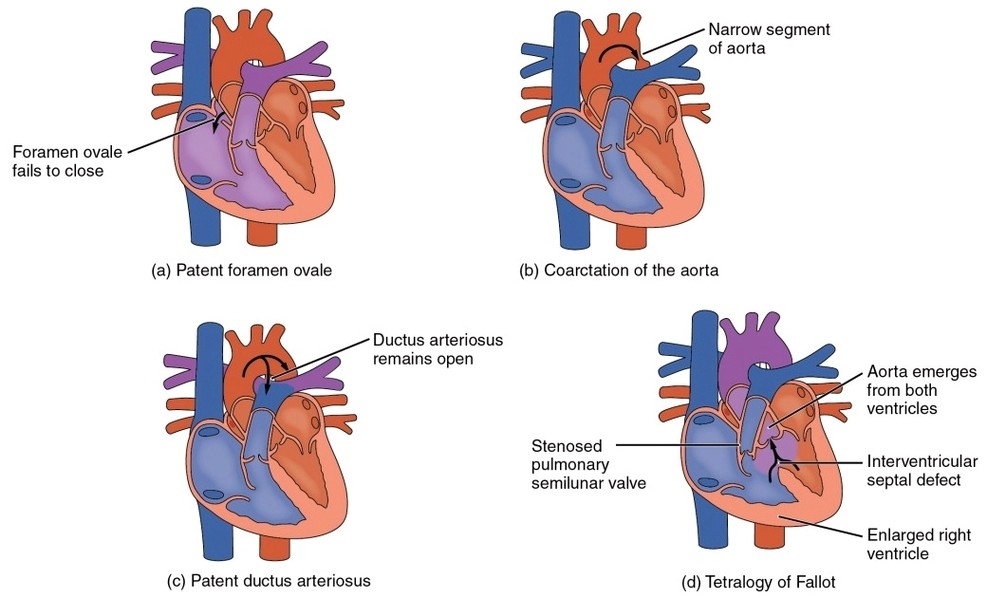
Congenital Heart Defects: Congenital heart defects are structural abnormalities present at birth, such as septal defects or valve malformations, which can affect normal blood flow and heart function.
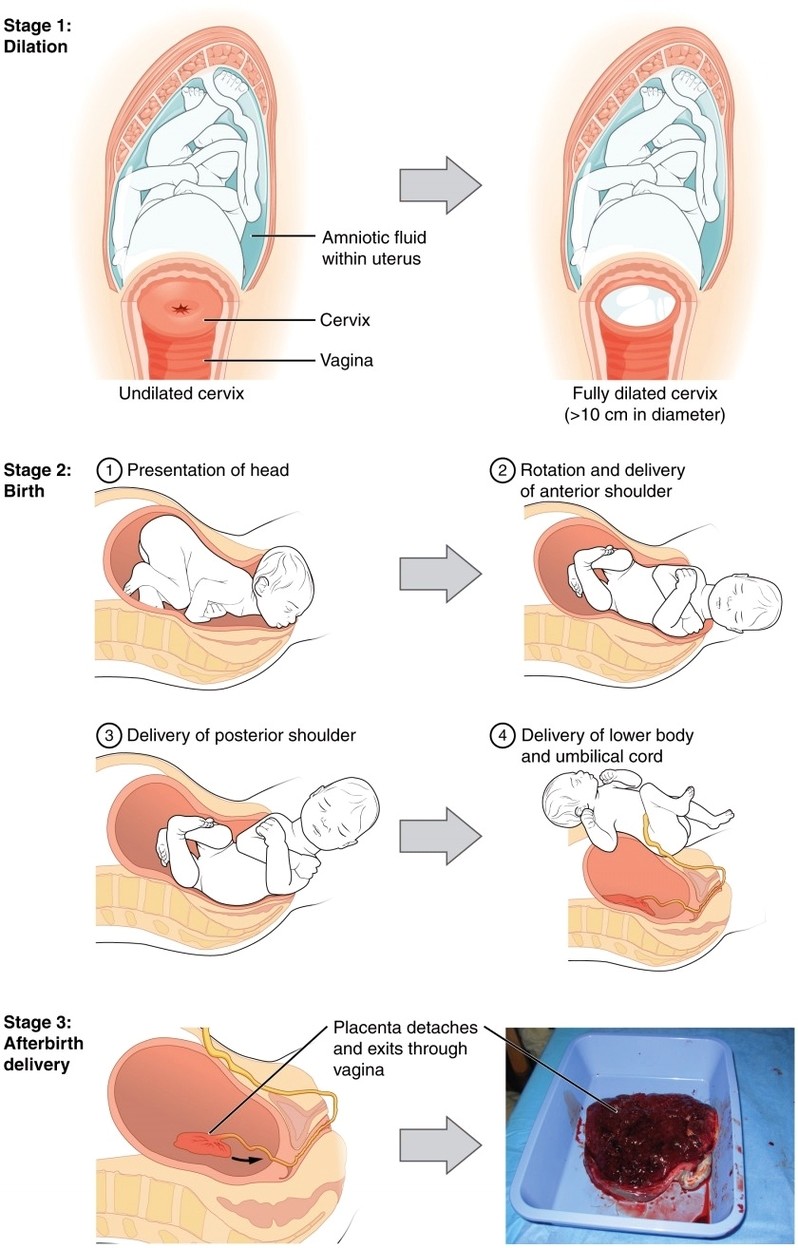
Stages of Childbirth: Childbirth occurs in three stages: dilation of the cervix, delivery of the baby, and expulsion of the placenta, each marked by specific physiological and muscular events.
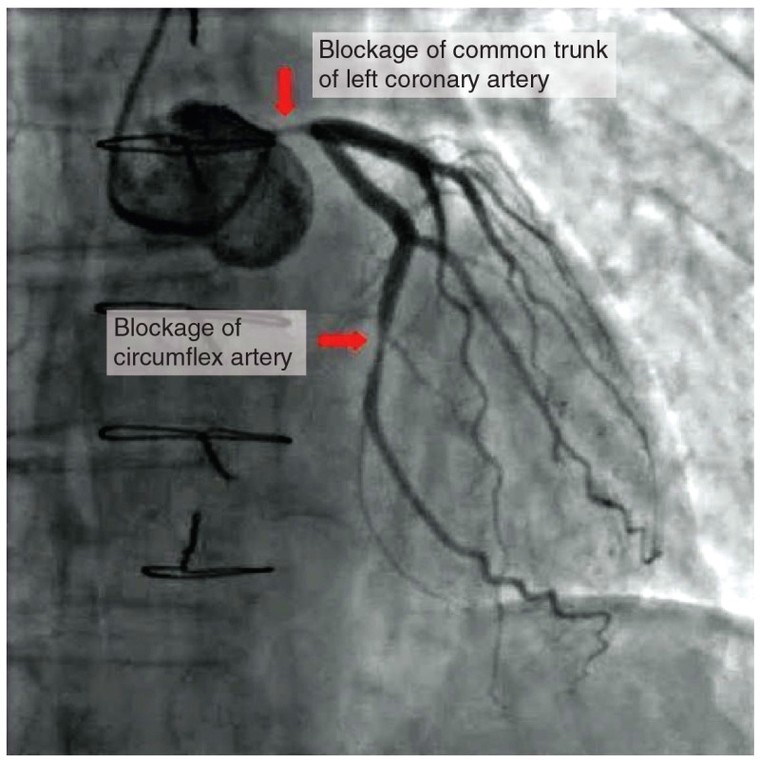
Occluded Coronary Arteries: Occlusion of coronary arteries, often due to atherosclerotic plaque buildup, restricts blood flow to the heart muscle and can result in chest pain or myocardial infarction (heart attack).
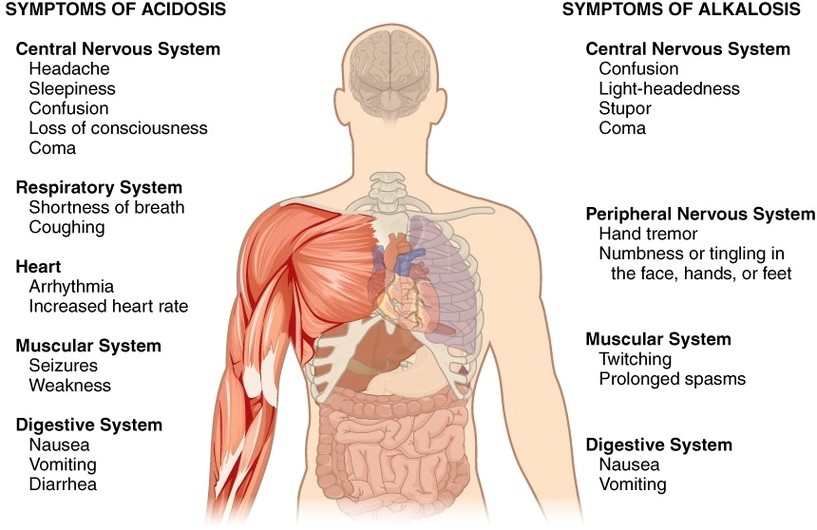
Symptoms of Acidosis Alkalosis: Acidosis can cause fatigue, confusion, and rapid breathing, while alkalosis may lead to muscle cramps, dizziness, and tingling; both result from pH imbalances in blood.
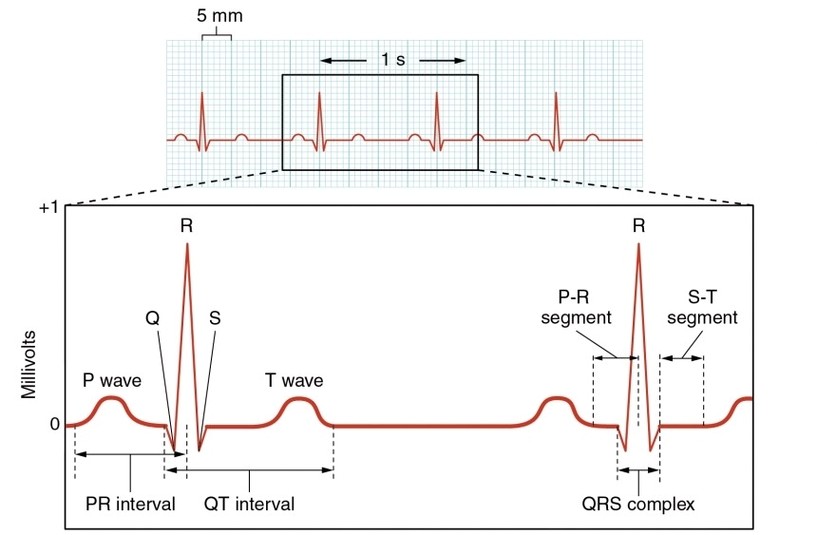
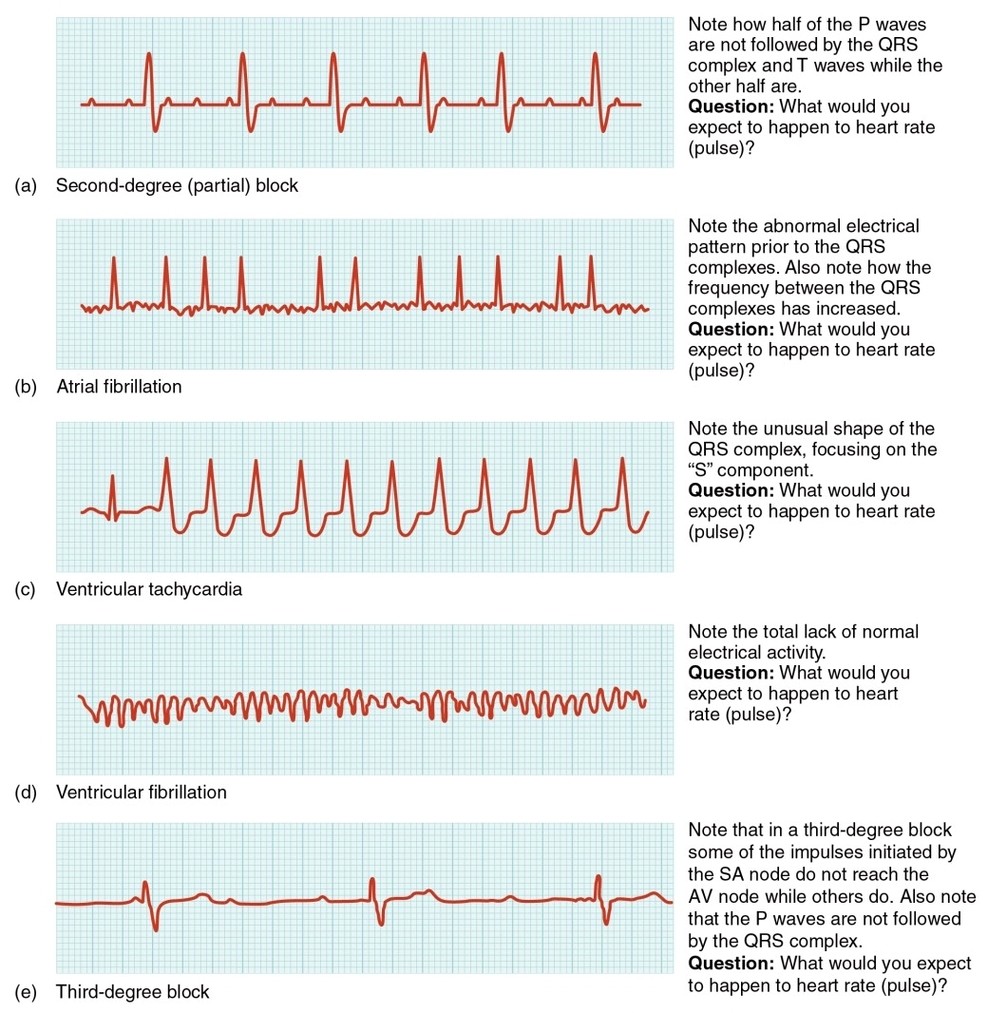
Electrocardiogram: An electrocardiogram (ECG or EKG) is a recording of the hearts electrical activity, displaying P waves, QRS complexes, and T waves that correspond to different phases of the cardiac cycle.
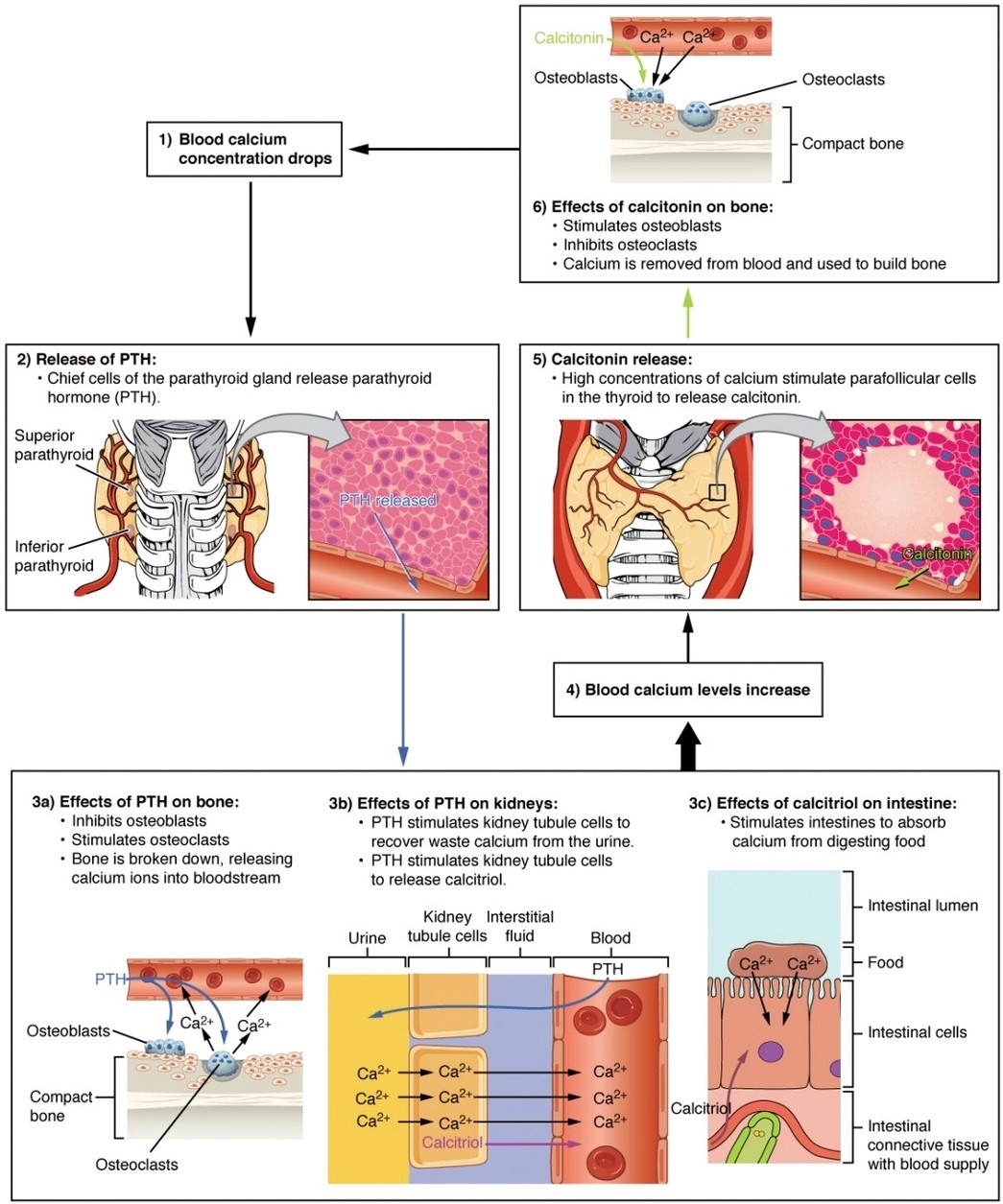
The Role of Parathyroid Hormone in Maintaining Blood Calcium Homeostasis: Parathyroid hormone (PTH) increases blood calcium levels by stimulating bone resorption, enhancing calcium reabsorption in the kidneys, and activating vitamin D to increase intestinal absorption.
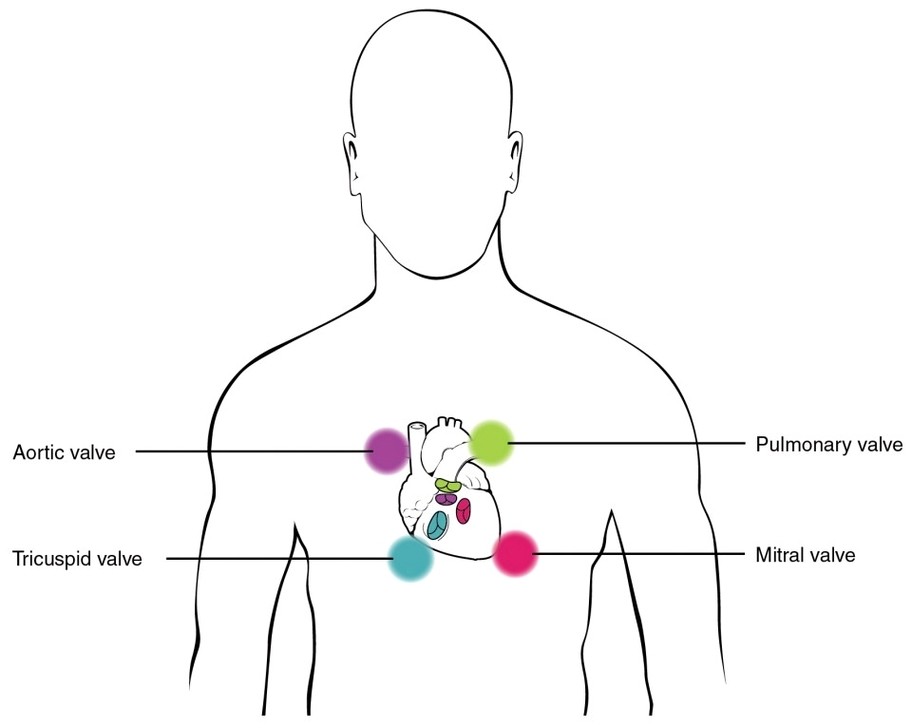
Stethoscope Placement: Stethoscope placement for heart auscultation includes four key areas: aortic, pulmonic, tricuspid, and mitral regions, each corresponding to the position of a specific heart valve.
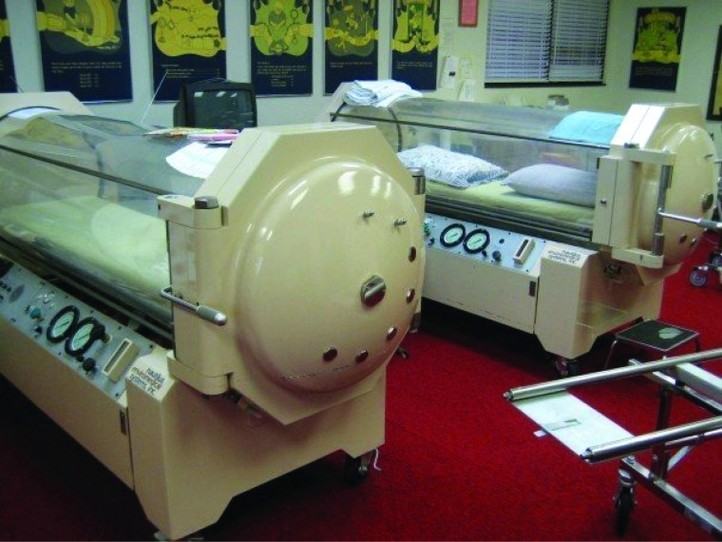
Hyperbaric Chamber: A hyperbaric chamber delivers 100% oxygen at elevated atmospheric pressure, enhancing oxygen delivery to tissues and used therapeutically for conditions such as decompression sickness, carbon monoxide poisoning, and chronic wounds.
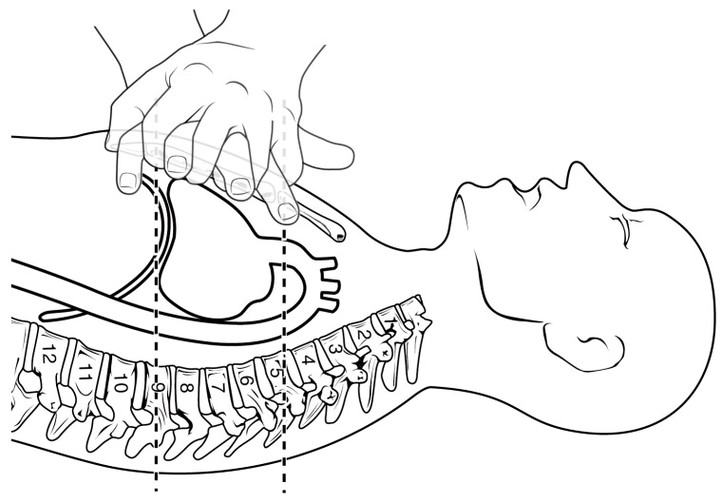
CPR Technique: CPR involves chest compressions at 100120 per minute and rescue breaths to maintain circulation and oxygenation during cardiac arrest until advanced help arrives.
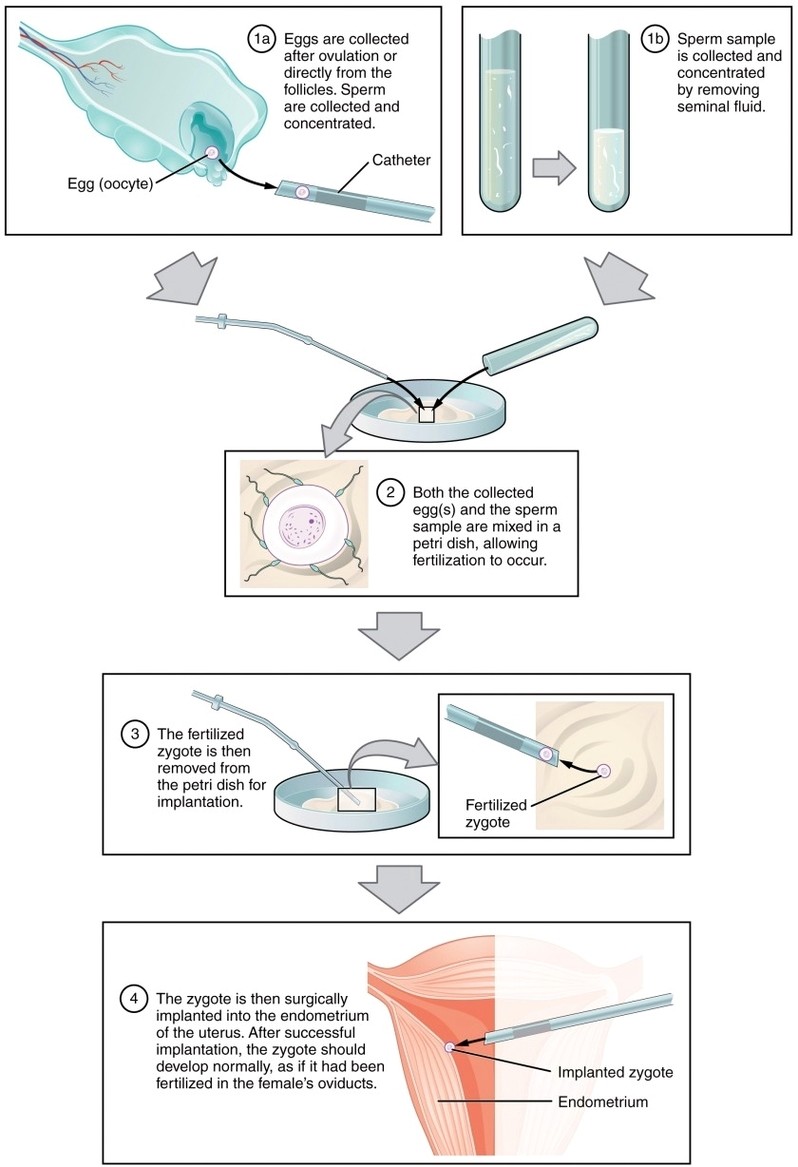
IVF: In vitro fertilization (IVF) is a reproductive technology where an egg is fertilized by sperm outside the body, and the resulting embryo is implanted into the uterus.
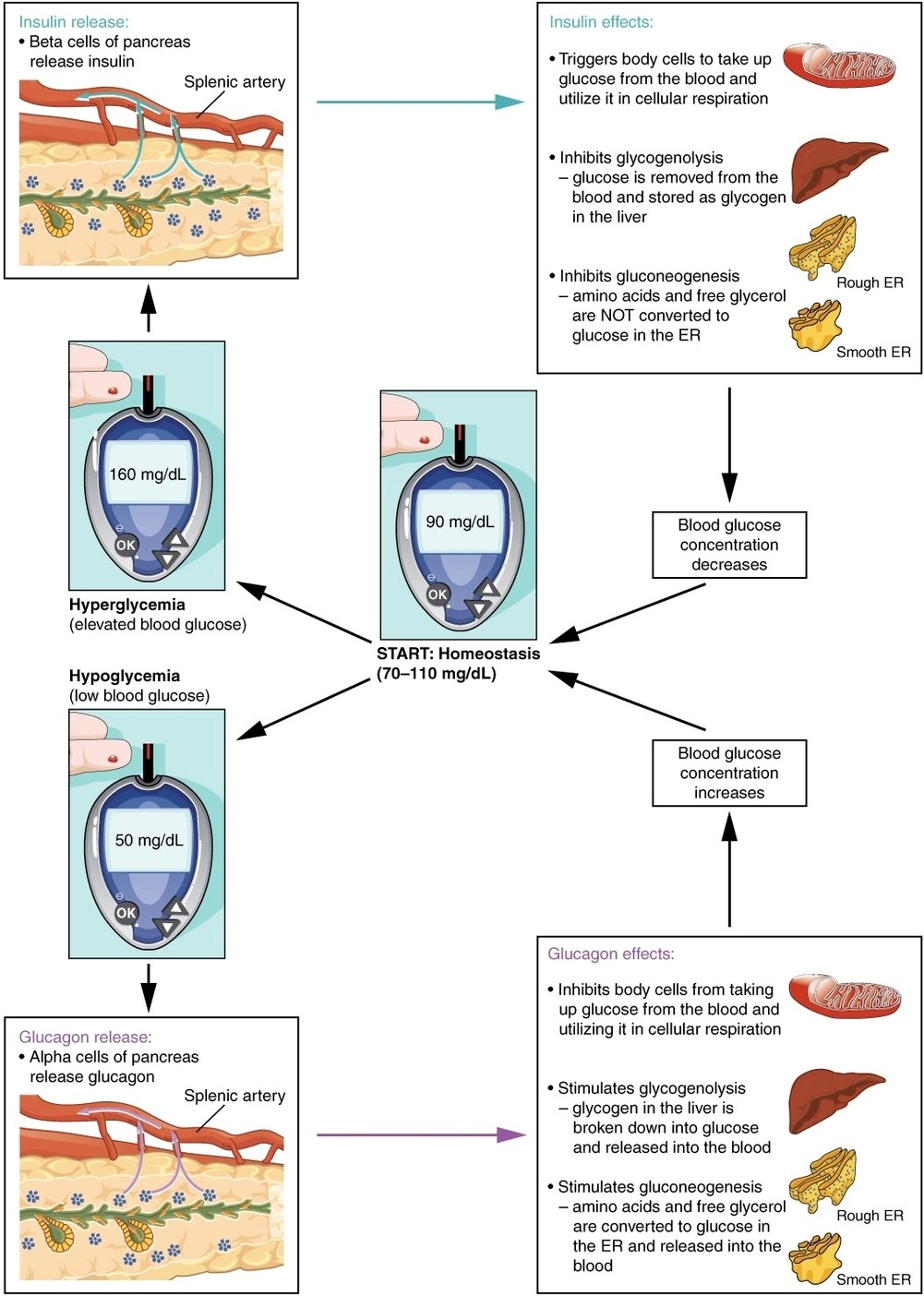
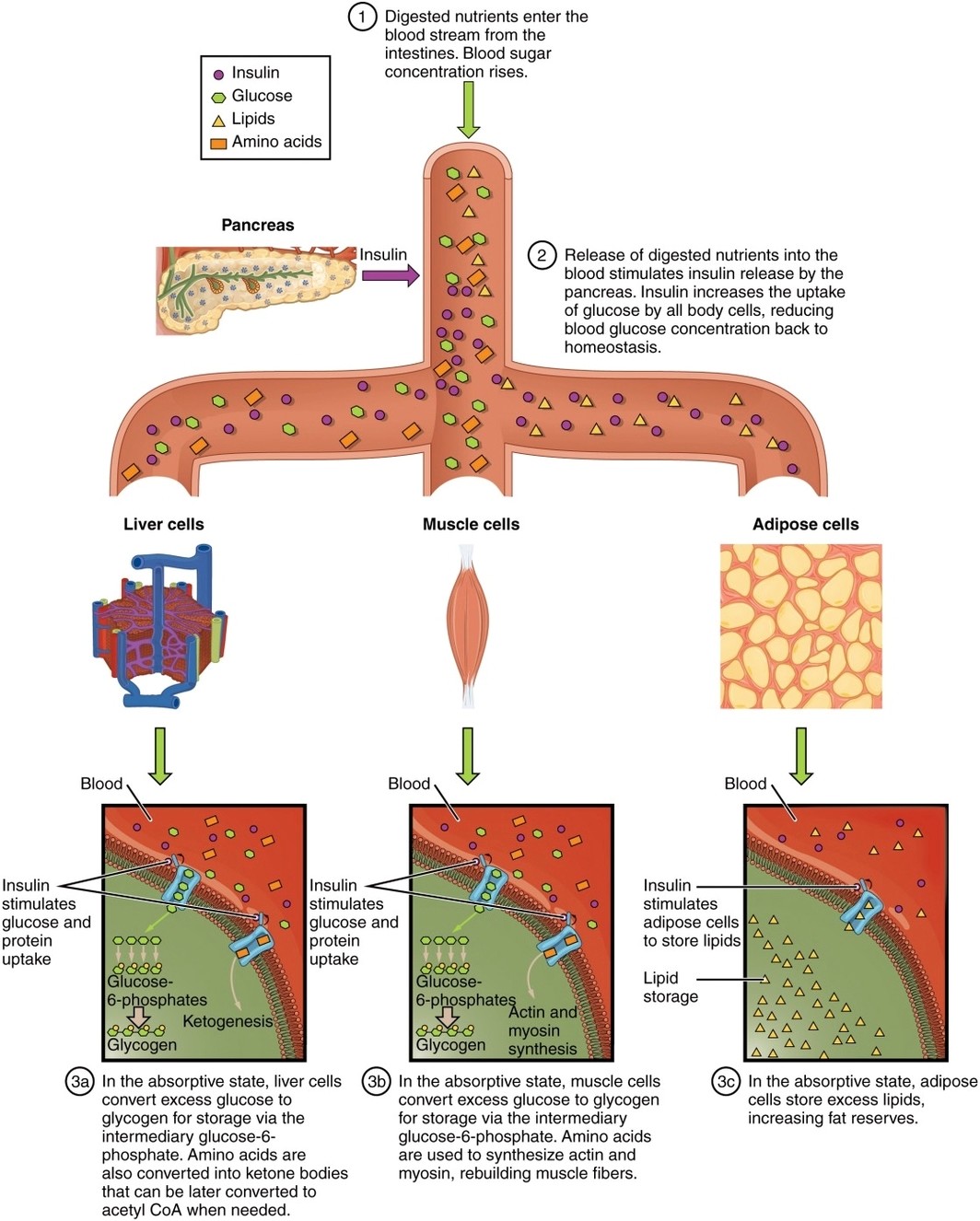
The Homeostatic Regulation of Blood Glucose Levels: Blood glucose levels are tightly regulated by insulin, which lowers glucose levels by promoting uptake and storage, and glucagon, which raises levels by stimulating glycogen breakdown and gluconeogenesis.
Cardiac Arrhythmias: Cardiac arrhythmias are abnormal heart rhythms caused by disruptions in the electrical conduction system, ranging from harmless palpitations to life-threatening ventricular fibrillation.
HIV Disease Progression: HIV infection progresses from acute illness to a chronic latent stage and eventually to AIDS, characterized by severe immune suppression and susceptibility to opportunistic infections.
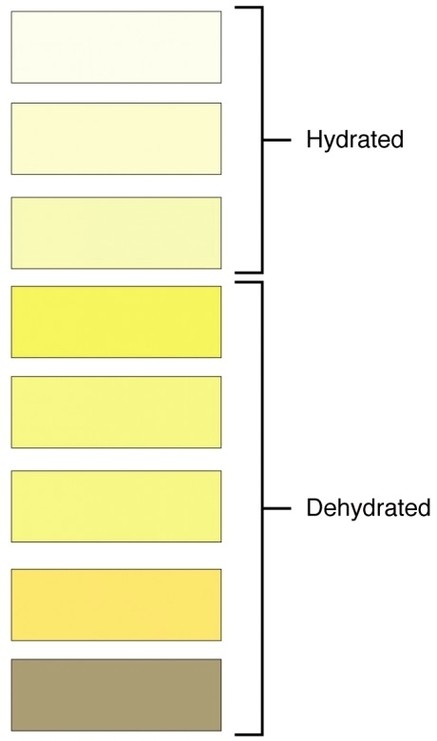
Urine Color Chart: Urine color ranges from pale yellow (well-hydrated) to dark amber (dehydrated), with unusual colors possibly indicating medications, diet changes, or medical conditions.
Blood Volume Loss and Homeostasis: When blood volume drops due to bleeding or dehydration, homeostasis is maintained through vasoconstriction, increased heart rate, and hormone release (ADH, aldosterone) to restore volume and pressure.
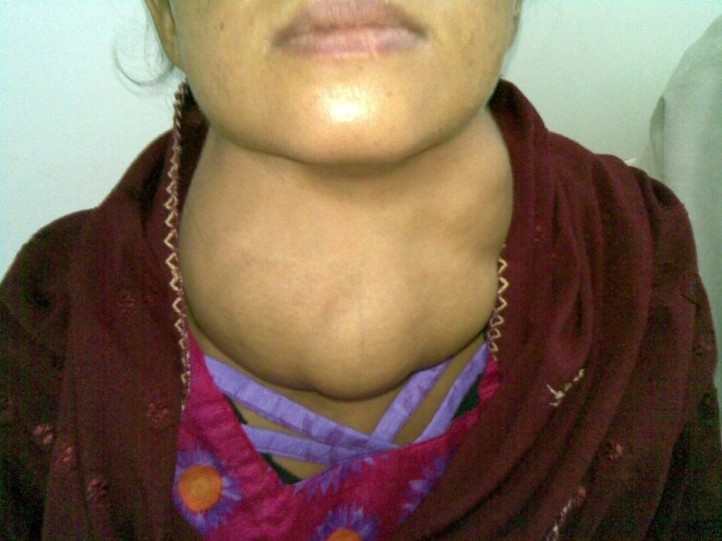
Goiter: A goiter is an abnormal enlargement of the thyroid gland, often due to iodine deficiency, autoimmune disease, or hormonal imbalance, which can lead to visible swelling in the neck and thyroid dysfunction.
The Absorptive Stage: During the absorptive stage, which occurs while nutrients are being digested and absorbed, the body uses glucose as its primary energy source and stores excess nutrients as glycogen and fat under the influence of insulin.