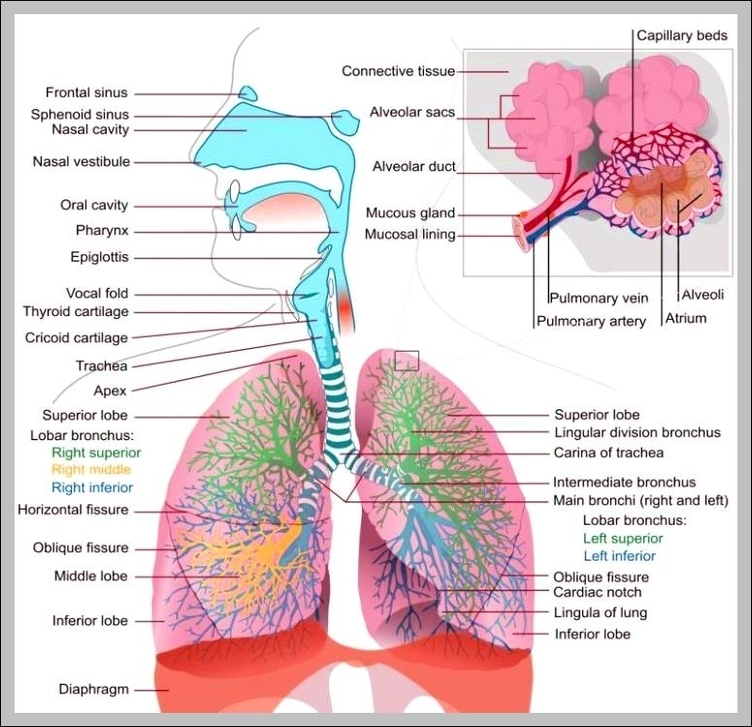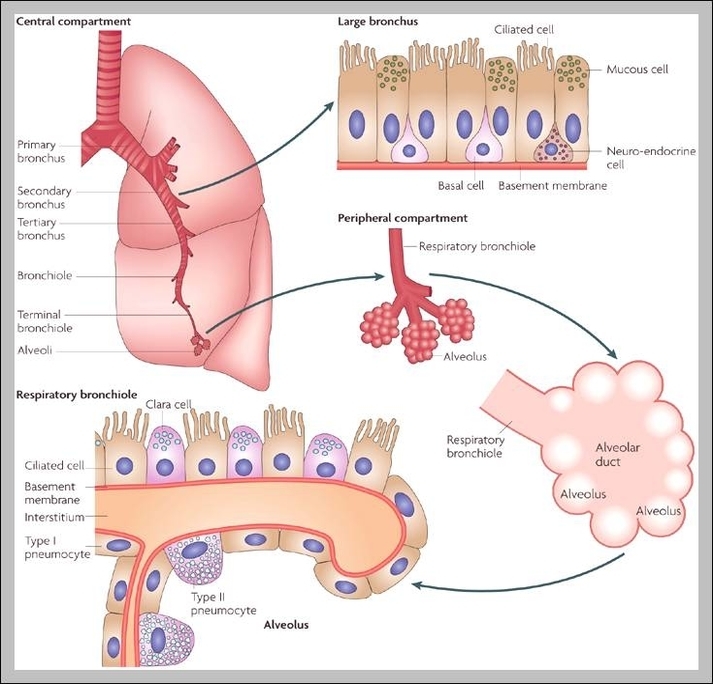
Function Of The Respiratory System: The function of the respiratory system is to facilitate the exchange of gases (oxygen and carbon dioxide) between the blood and the atmosphere.
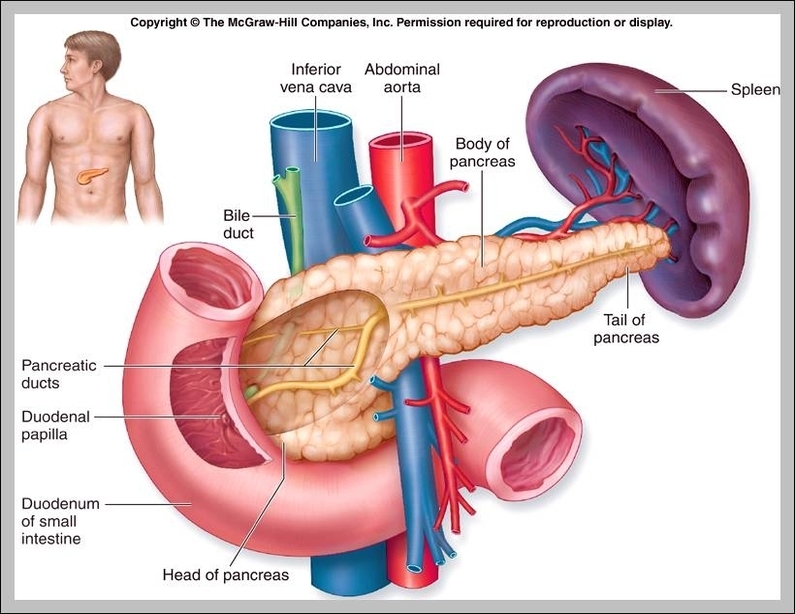
Function Of The Pancreas: The pancreas serves both endocrine and exocrine functions. It produces insulin and glucagon to regulate blood sugar and secretes digestive enzymes that help break down food in the small intestine.
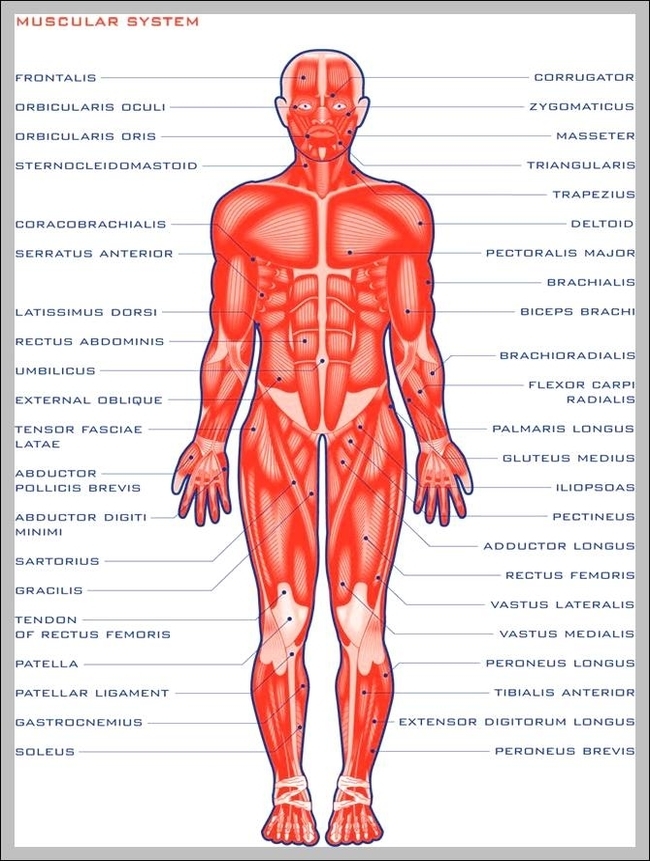
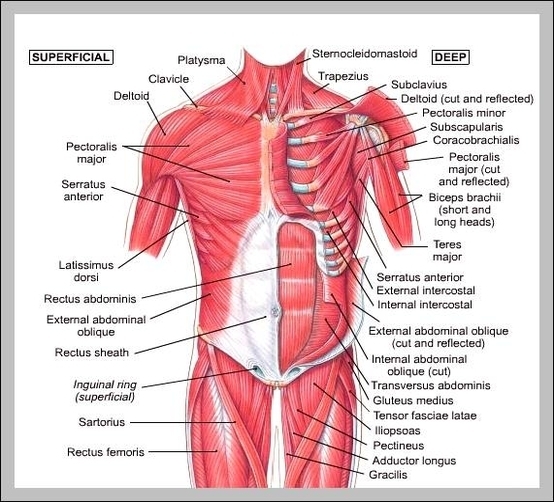
Function Of The Muscular System: The muscular system enables movement, maintains posture, and generates heat. It works with the skeletal system to move the body through voluntary and involuntary muscle actions.
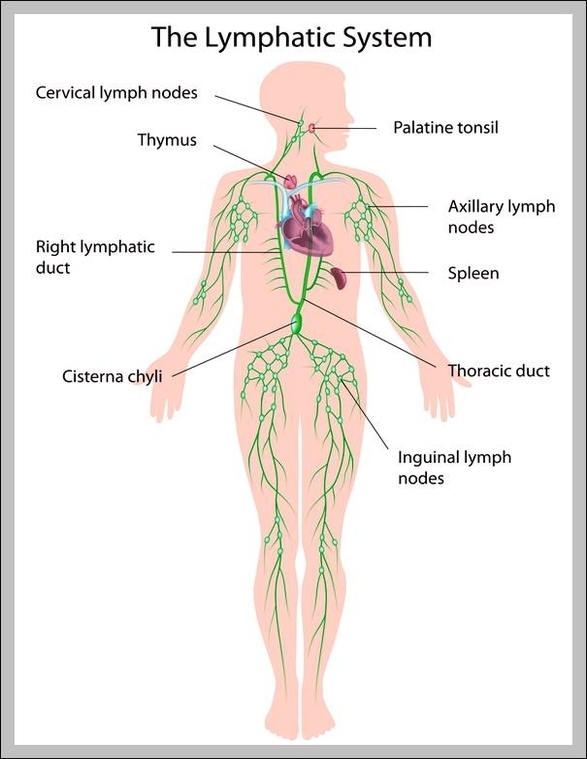
Function Of The Lymphatic System: The lymphatic system is responsible for maintaining fluid balance, defending the body against infections, and absorbing fats from the digestive system.
Function Of The Lungs: The primary function of the lungs is to facilitate gas exchange, providing oxygen to the blood and removing carbon dioxide from the body.
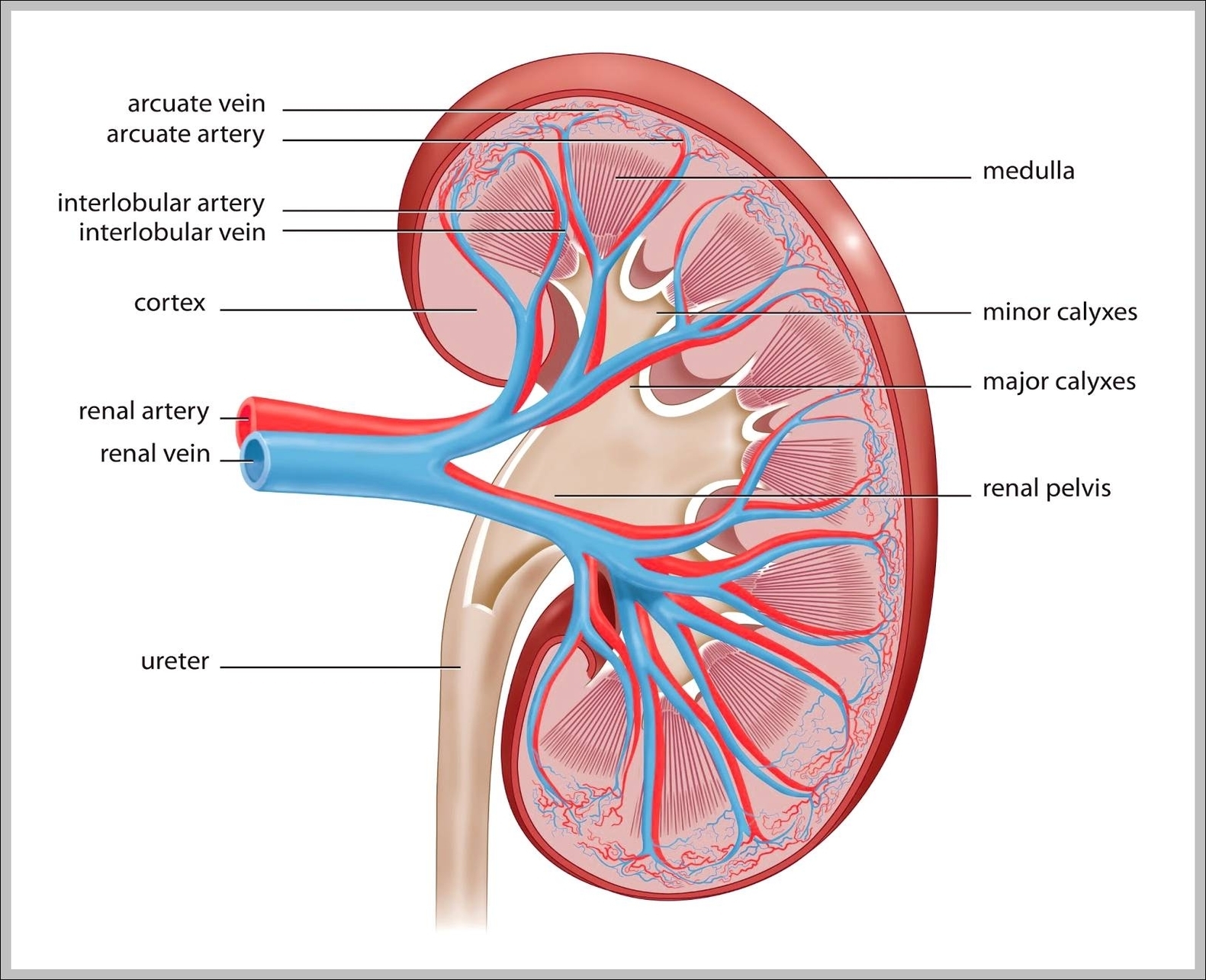
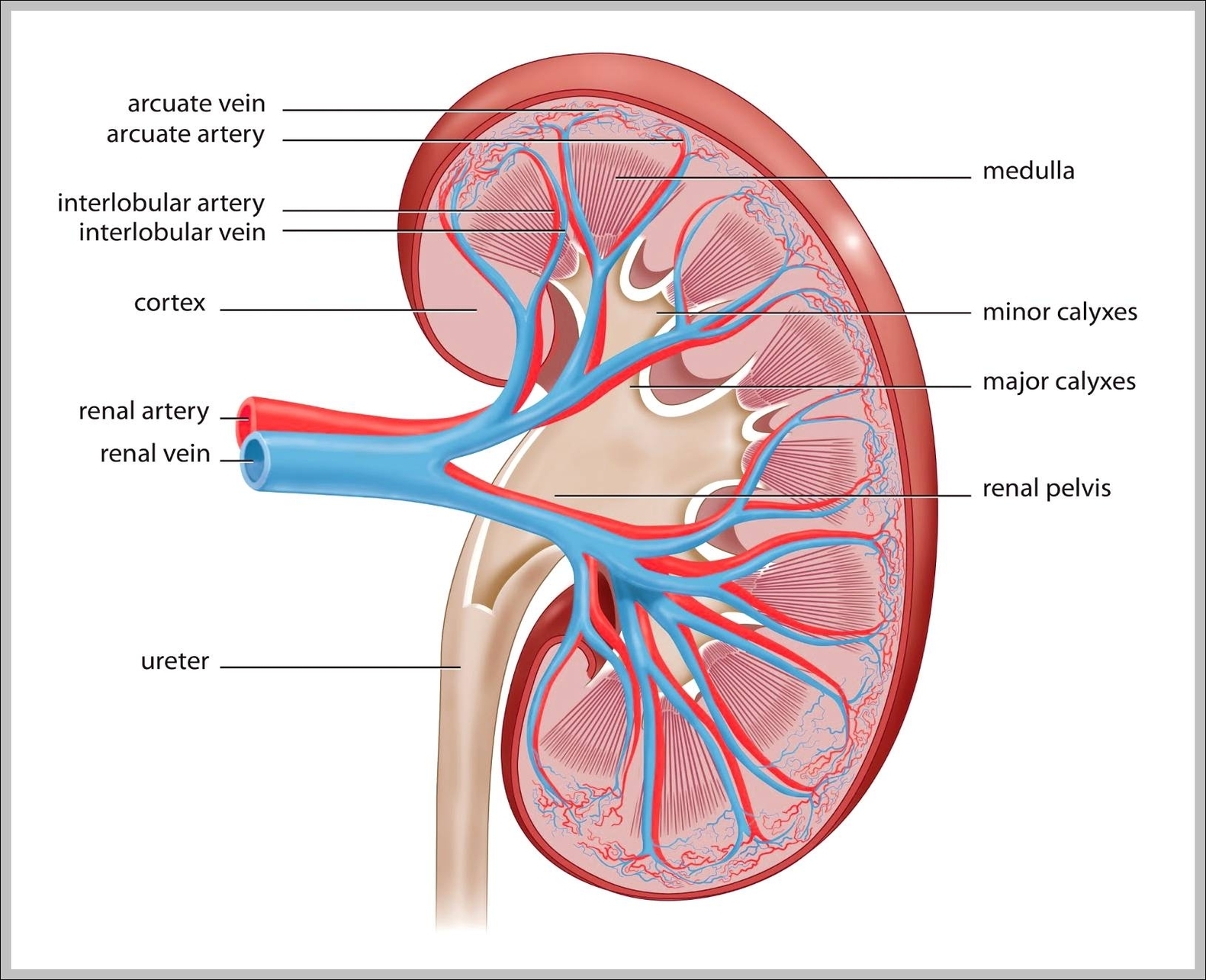
Function Of The Kidney: The kidneys maintain homeostasis by filtering blood, removing waste, balancing electrolytes, and regulating blood pressure and fluid levels in the body.
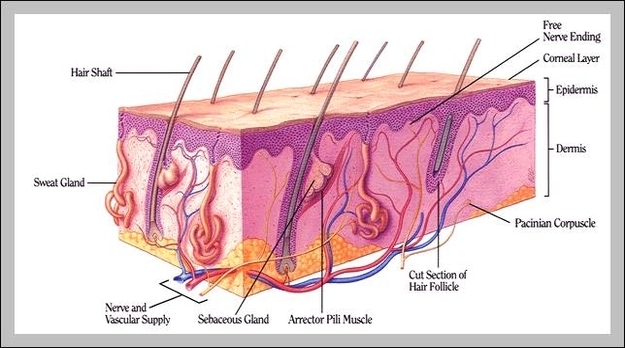
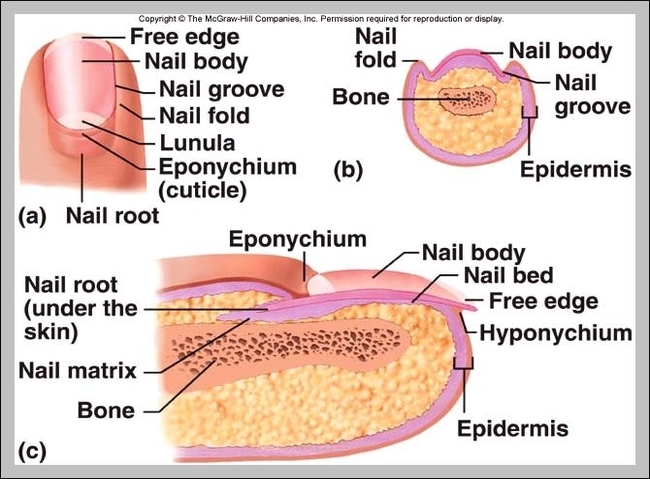
Function Of The Integumentary System: The integumentary system includes the skin, hair, nails, and sweat glands. It protects the body from external damage, regulates temperature, and provides sensory information.
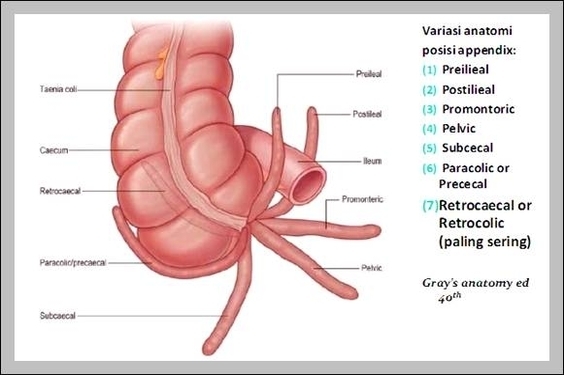
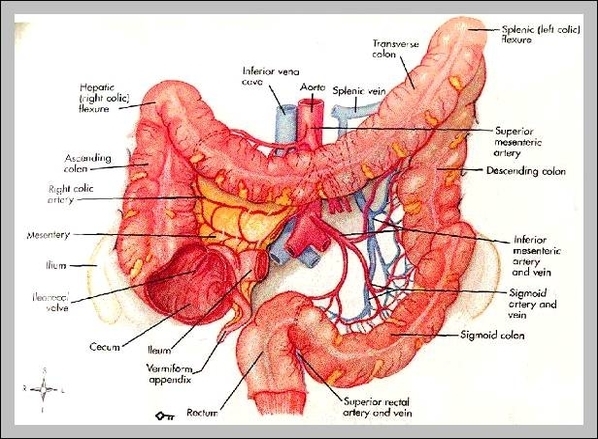
Function Of The Appendix: Once thought useless, the appendix may play a role in gut immunity by serving as a reservoir for beneficial gut bacteria during illness.
Function Of Sweat Glands: Sweat glands help regulate body temperature and eliminate waste by producing sweat, which cools the body through evaporation.
Function Of Small Intestine: The small intestine digests food and absorbs nutrients into the bloodstream. It is divided into the duodenum, jejunum, and ileum and plays a central role in the digestive system.
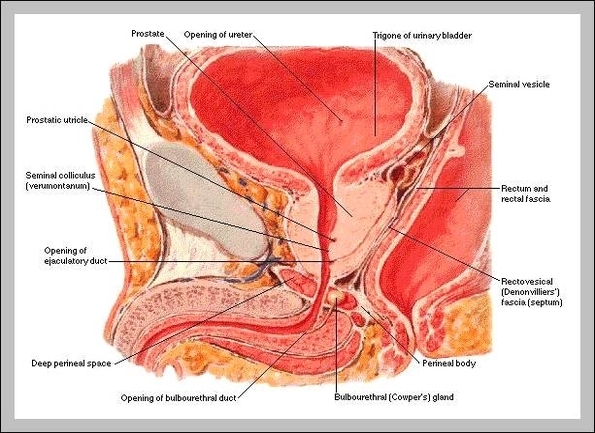
Function Of Prostate: The prostate gland produces fluid that nourishes and protects sperm, contributing to semen and helping in sperm motility during ejaculation.
Function Of Liver In Digestive System: The liver plays a crucial role in the digestive system by producing bile, storing glycogen, detoxifying harmful substances, and processing nutrients absorbed from the intestines.
Function Of Kidney: Kidneys filter waste and excess fluids from the blood to form urine, regulate blood pressure, balance electrolytes, and support red blood cell production.
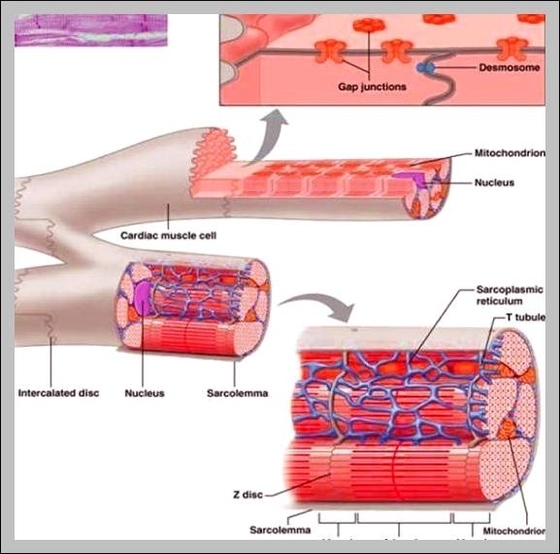
Function Of Intercalated Discs: Intercalated discs are specialized connections between cardiac muscle cells. They allow for coordinated contractions by transmitting electrical signals quickly, ensuring that the heart beats in a synchronized manner.
Function Of Integumentary System: The integumentary system protects the body, regulates temperature, and senses environmental changes through its components—skin, hair, nails, and glands.
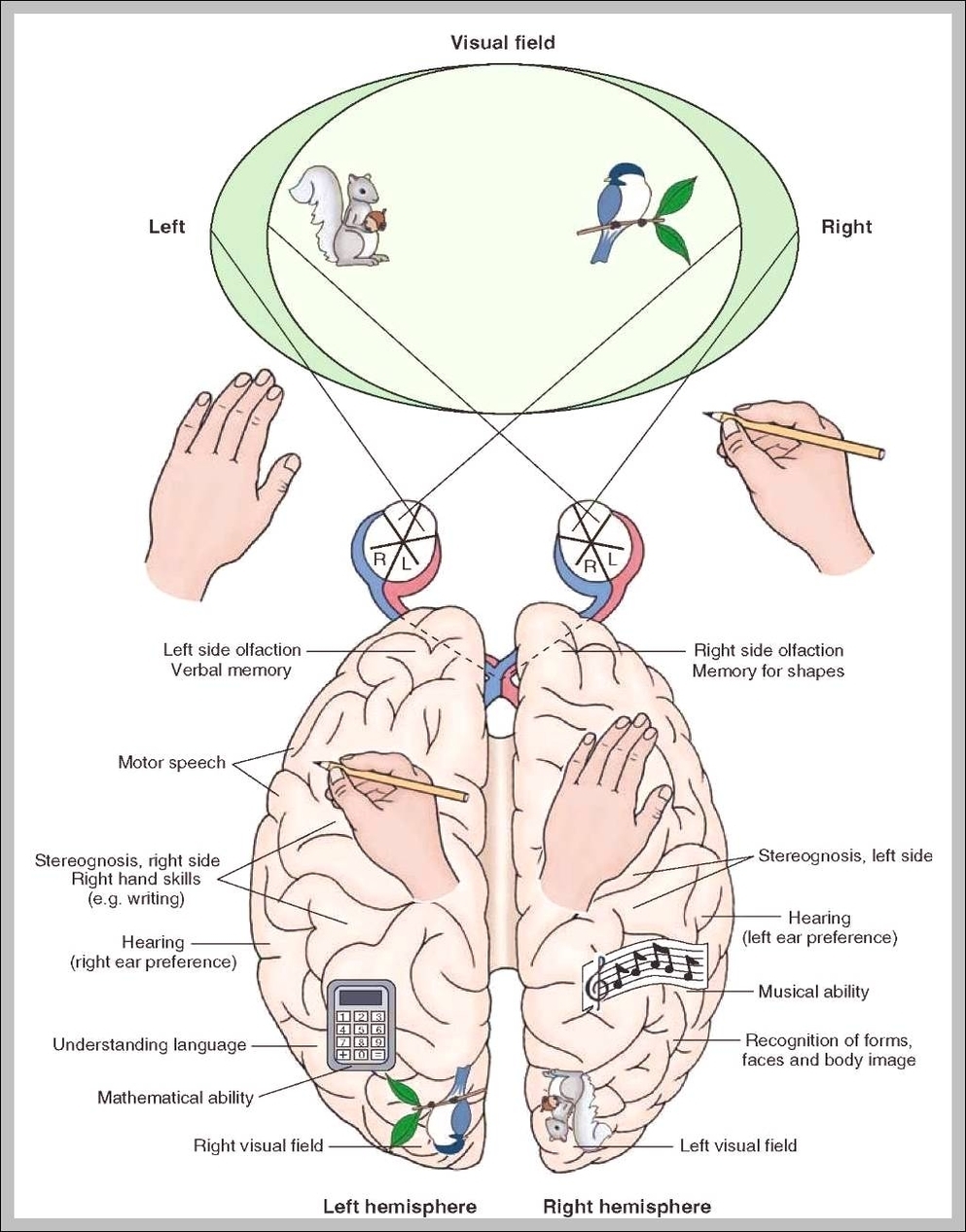
Function Of Corpus Callosum: The corpus callosum connects the brain’s left and right hemispheres, enabling communication between them. It is vital for coordinated thinking, movement, and sensory integration.
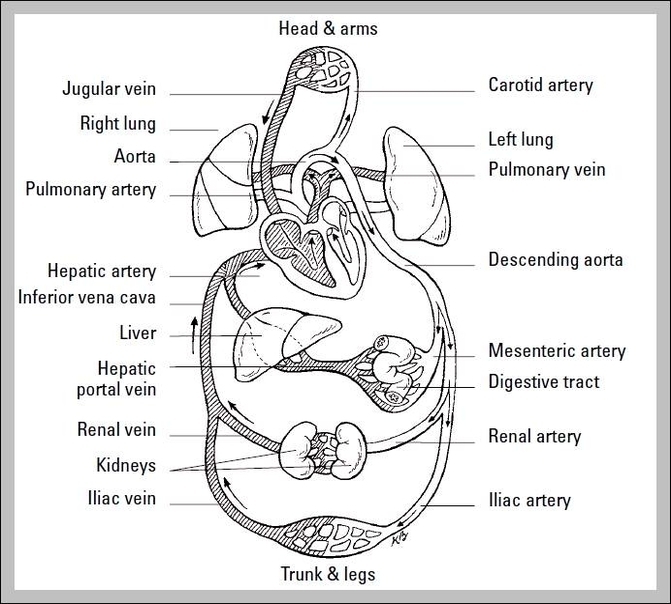
Function Of Cardiovascular System: The cardiovascular system pumps blood throughout the body, supplying oxygen and nutrients to cells while removing carbon dioxide and other waste.
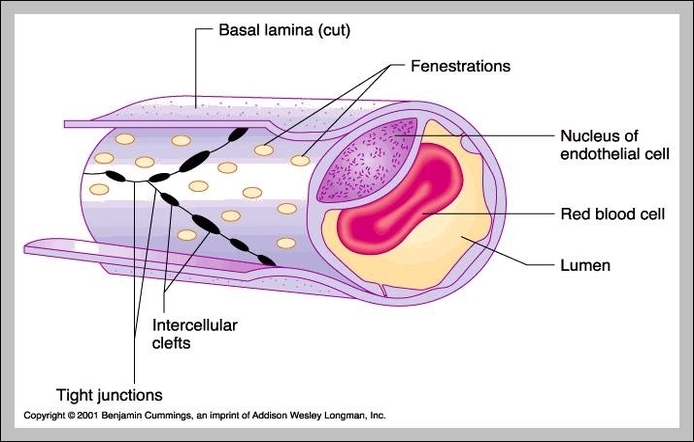
Function Of Capillaries: Capillaries are the smallest blood vessels where oxygen and nutrients pass from the blood into tissues and carbon dioxide is absorbed for removal.
Front Muscles Of The Body: The front muscles include the pectorals, biceps, abdominals, quadriceps, and deltoids, which work together for lifting, posture, and forward movement.
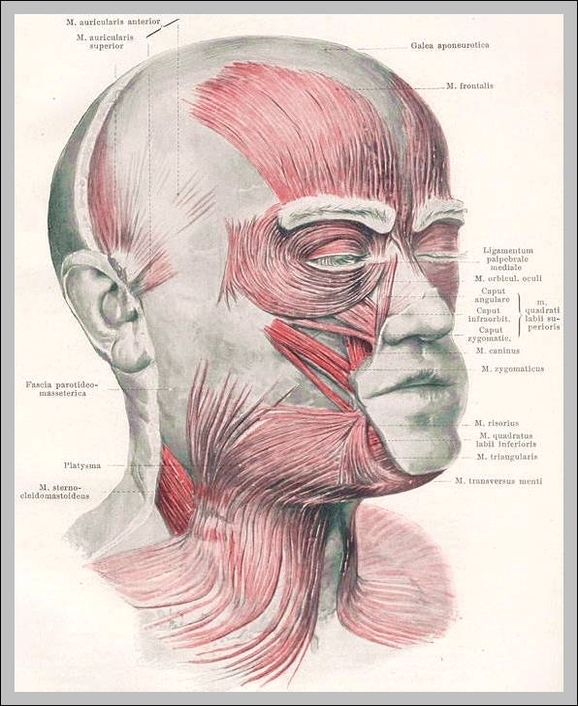
Frontalis: The frontalis muscle is located on the forehead and is responsible for raising the eyebrows and wrinkling the forehead. It plays a role in facial expression and emotions.