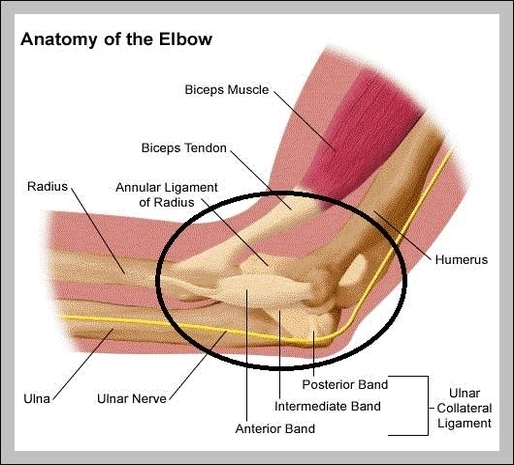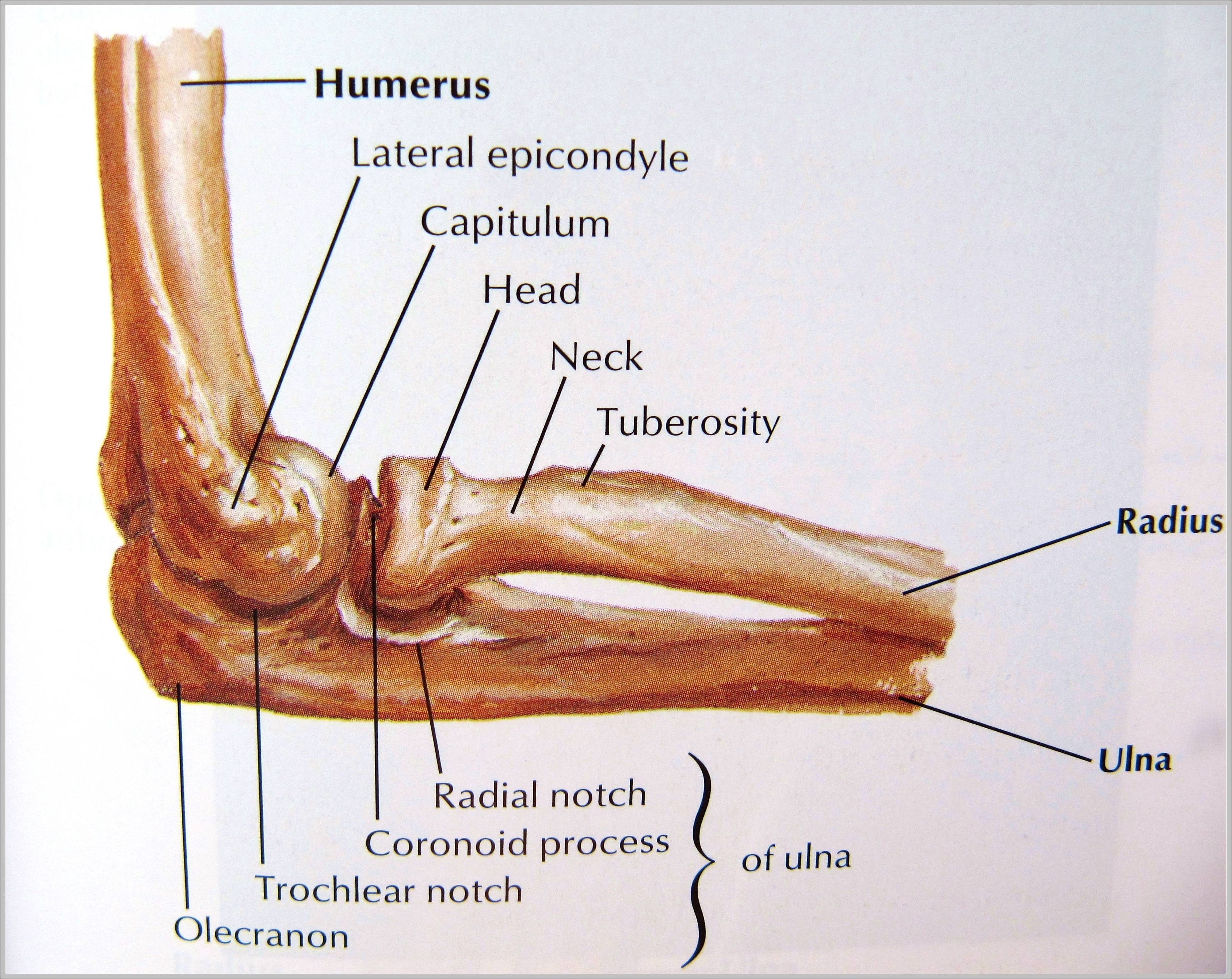
Anatomy Of The Elbow: The anatomy of the elbow includes bones like the humerus, radius, and ulna, as well as ligaments and tendons that allow for flexion, extension, and rotation of the forearm.
Anatomy Of Neck And Throat: This region includes structures like the trachea, esophagus, larynx, thyroid gland, and cervical spine, as well as surrounding muscles and blood vessels.
Anatomy Of Head And Neck: Head and neck anatomy involves the skull, facial bones, muscles, nerves, blood vessels, glands, and the upper spine, supporting critical functions such as breathing, speaking, and sensory input.
Anatomy Of Forearm: The forearm consists of two bones, the radius and the ulna. Muscles in the forearm control hand movements, wrist motion, and elbow extension.
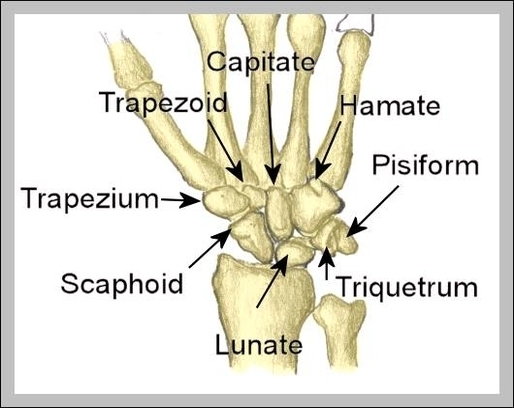
Anatomy Of A Hand: The hand includes 27 bones, tendons, muscles, nerves, and joints that allow for grasping, precision, and sensation, with complex coordination.
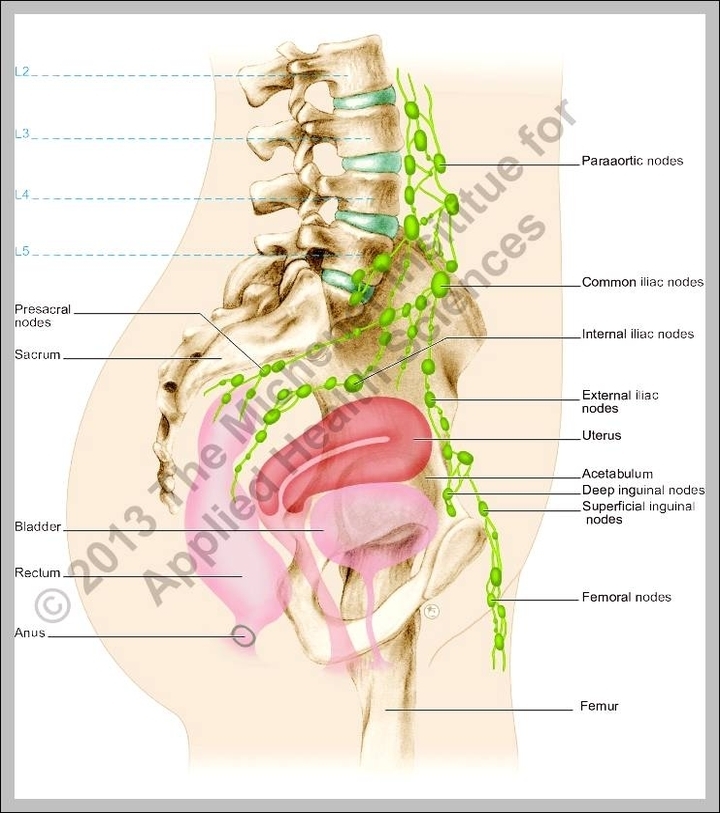
Anatomy Hip Muscles: The hip muscles, including the gluteus maximus, iliopsoas, and the hip flexors, are responsible for movement in the hip joint, such as walking, running, and sitting.
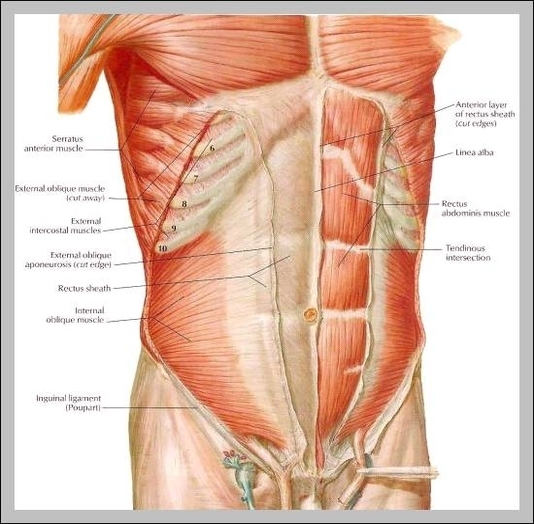
Anatomy Abdominal Muscles: The abdominal muscle group includes the rectus abdominis, internal and external obliques, and transverse abdominis. These muscles are crucial for core strength, posture, and movements like bending or twisting.
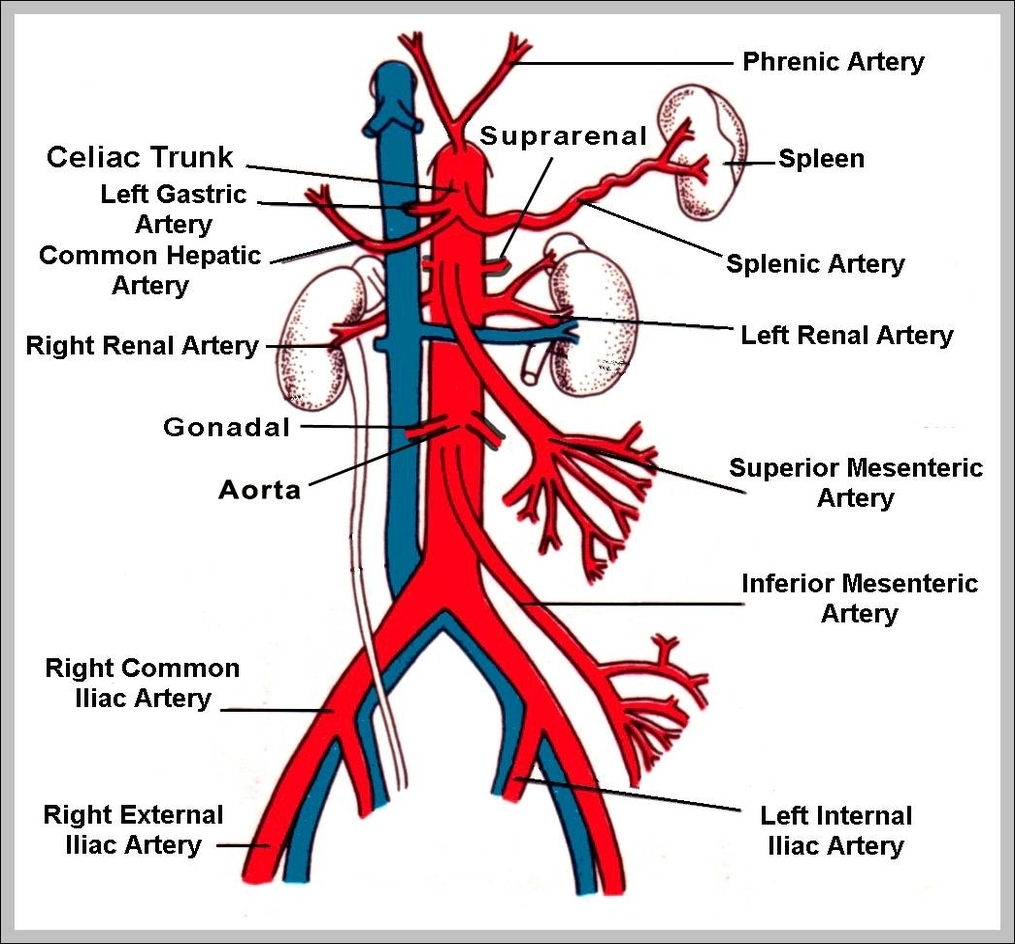
Abdominal Arteries: Abdominal arteries, including the aorta and its branches like the renal and mesenteric arteries, supply oxygenated blood to abdominal organs.