Major Respiratory Organs: Major respiratory organs include the nose, pharynx, larynx, trachea, bronchi, and lungs, all working together to move air, filter particles, and facilitate gas exchange.
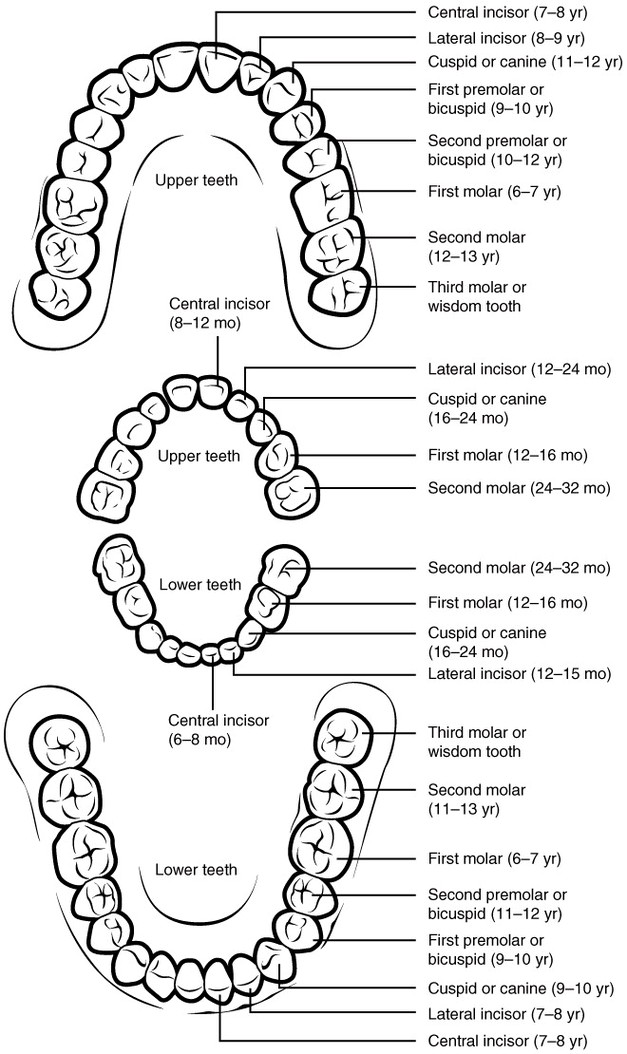
Tooth: A tooth consists of enamel, dentin, pulp, and cementum, and is anchored into the jaw by periodontal ligaments; it functions in mechanical digestion and sensory perception.
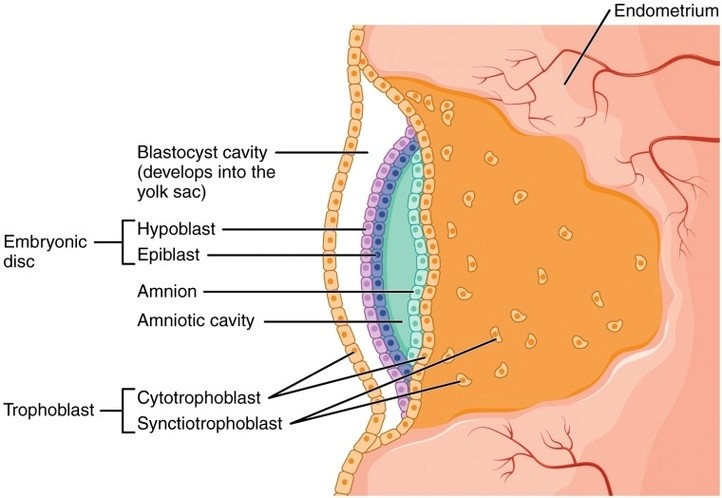
Preembryonic Cleavages: Cleavage is a series of rapid mitotic divisions in the zygote that increase cell number without increasing size, forming the morula and eventually the blastocyst.
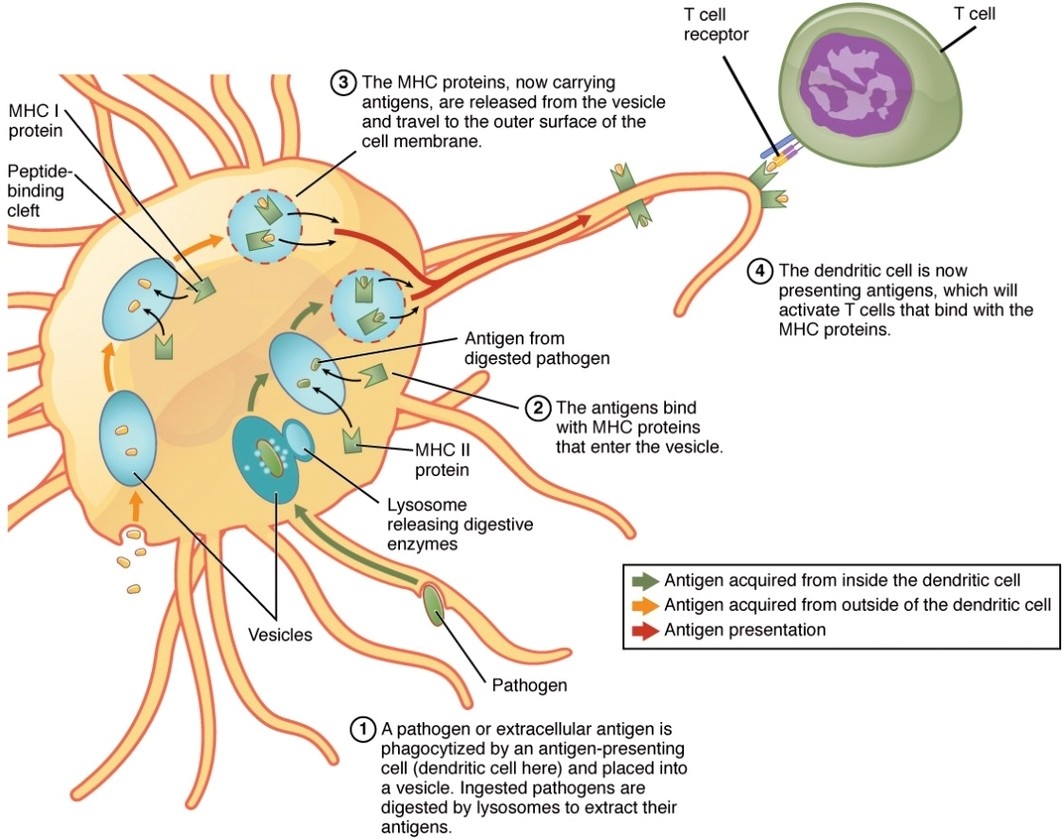
The Worldwide AIDS Epidemic: AIDS, caused by the HIV virus, has spread globally, with millions infected; it weakens the immune system by targeting CD4+ T cells, leaving individuals vulnerable to opportunistic infections and certain cancers.
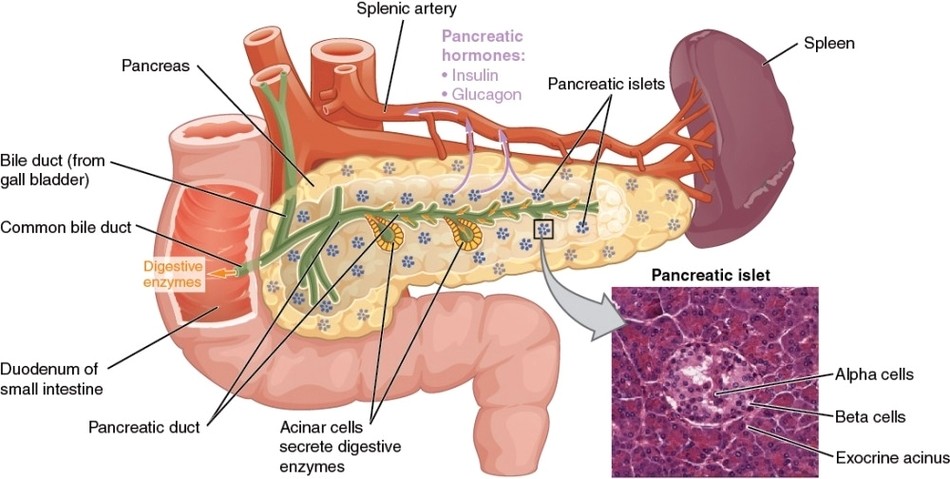
Accessory Organs: Accessory digestive organs include the liver, pancreas, gallbladder, and salivary glands, which secrete enzymes and other substances aiding digestion but are not part of the GI tract itself.
Photo of Linea Nigra: The linea nigra is a dark vertical line that can appear on the abdomen during pregnancy due to hormonal changes; it typically fades postpartum.
Placenta Previa: Placenta previa occurs when the placenta partially or completely covers the cervix, posing a risk of bleeding during pregnancy and often requiring C-section delivery.
The Placenta: The placenta connects the developing fetus to the uterine wall, allowing nutrient and gas exchange, hormone production, and waste removal through the umbilical cord.
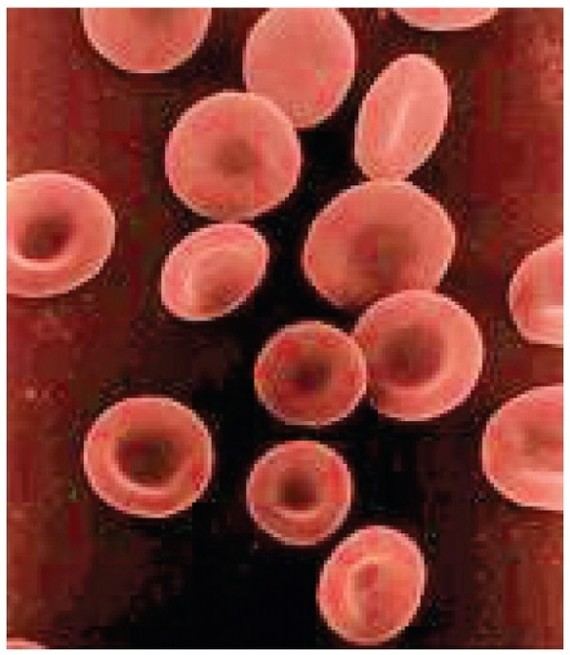
ABO Blood Groups: The ABO blood group system classifies blood based on the presence of A and B antigens on red cells; type O has neither, while AB has both.
Surface Anatomy of the Heart: Surface anatomy of the heart includes visible landmarks such as the apex, base, coronary sulci, and major vessels, guiding auscultation and diagnostic imaging.
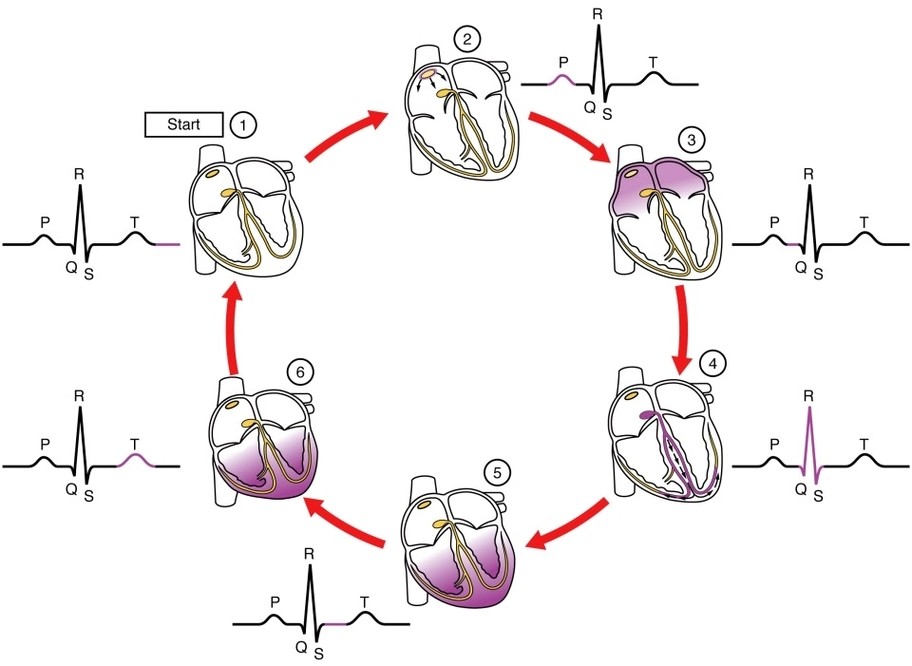
Summary of Factors in Cardiac Output: Cardiac output is influenced by heart rate and stroke volume, which are in turn affected by factors such as autonomic nervous system input, blood volume, and myocardial contractility.
Blood Clotting: Blood clotting, or coagulation, involves a cascade of enzymatic reactions that convert fibrinogen into fibrin, forming a mesh that stabilizes the platelet plug and seals the injured vessel.
Three Major Capillary Types: The three major capillary types are continuous, fenestrated, and sinusoidal, each adapted to different levels of permeability based on tissue needs.
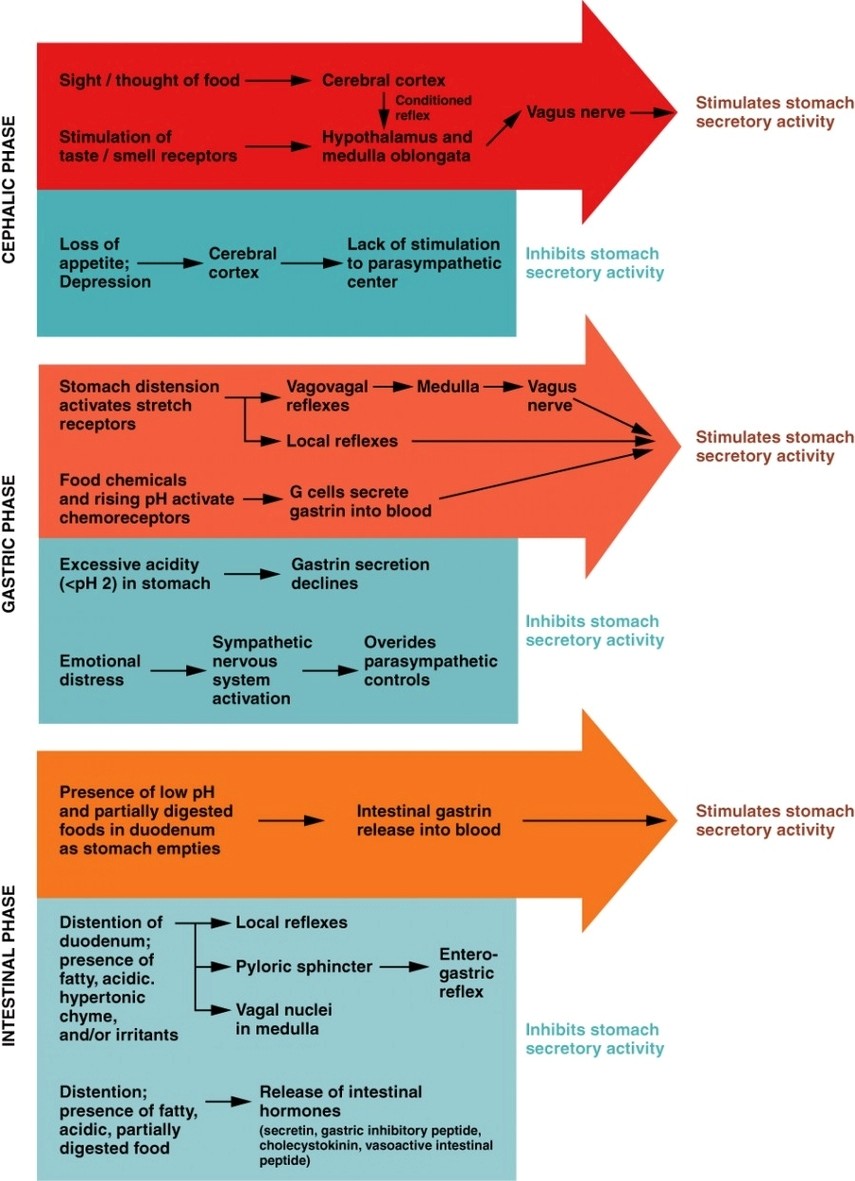
Stomach: The stomach is a muscular, J-shaped organ that secretes acid and enzymes to digest food mechanically and chemically, preparing it for absorption in the small intestine.
Automatic Innervation: Autonomic innervation involves the sympathetic and parasympathetic nervous systems, which regulate involuntary functions like heart rate, digestion, and respiratory rate through motor neurons.
Ketone Oxidation: Ketone bodies like acetoacetate and beta-hydroxybutyrate are oxidized in peripheral tissues to produce ATP, especially during prolonged fasting or carbohydrate deficiency.
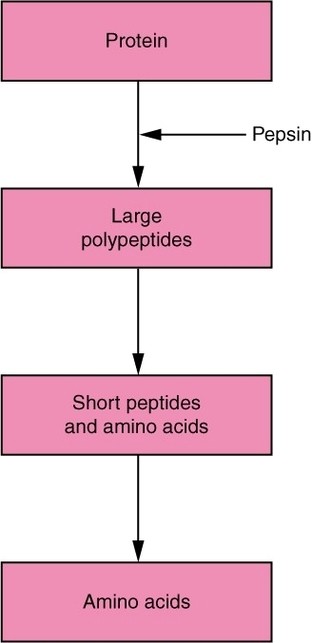
Deglutition: Deglutition, or swallowing, is a coordinated process involving the oral cavity, pharynx, and esophagus, and occurs in three phases: oral, pharyngeal, and esophageal, ensuring safe passage of food to the stomach.
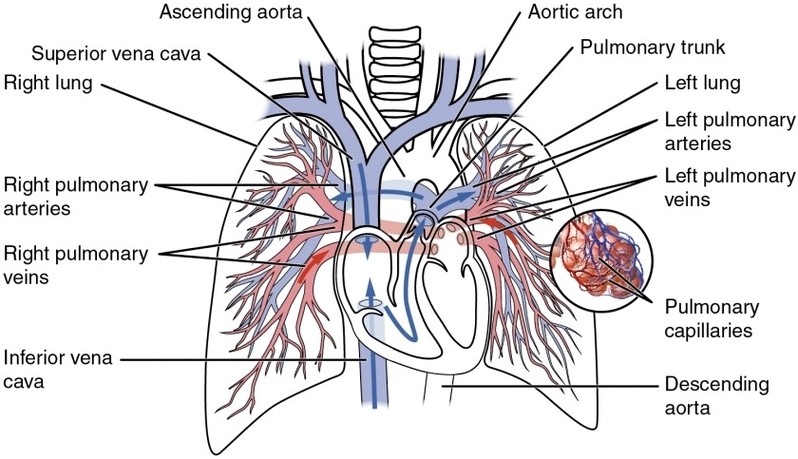
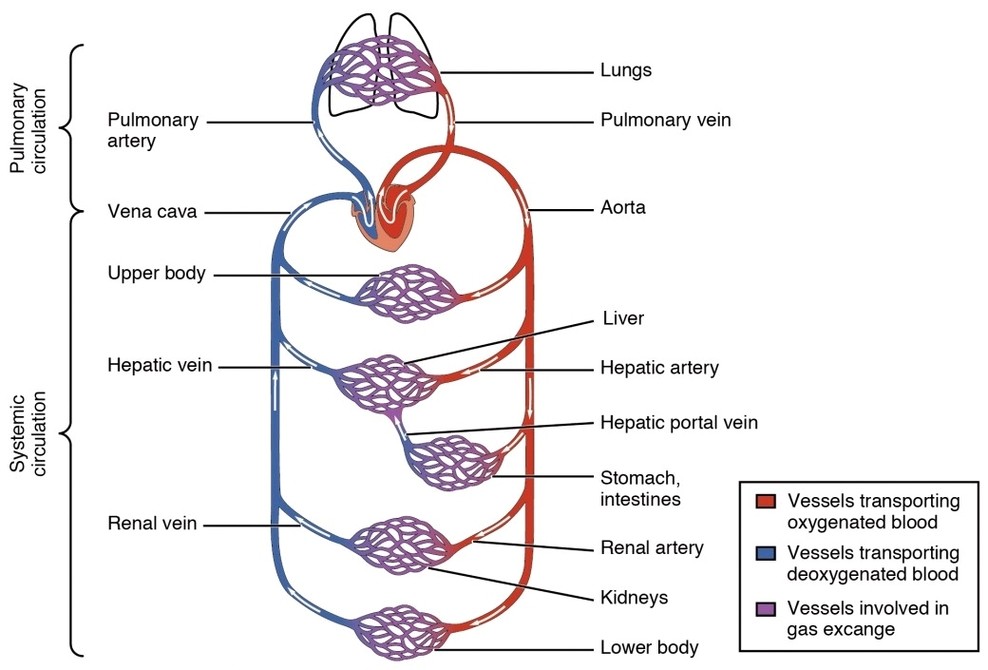
Dual System of Human Circulation: The human circulatory system has two circuits: the pulmonary circuit carries deoxygenated blood to the lungs, while the systemic circuit distributes oxygenated blood to the body.
Autosomal Recessive Inheritance new: Autosomal recessive disorders require two copies of a mutated gene for expression; individuals with one copy are carriers, while affected individuals inherit one from each parent.
Iliac Artery Branches Chart: The iliac arteries split from the abdominal aorta and include the common, internal, and external iliac arteries, which supply blood to the pelvis, lower limbs, and reproductive organs.