Arm with Bulging Veins: Prominent veins in the arm can result from increased vascular pressure, exercise, low body fat, or venous valve issues, often appearing as bulging, rope-like structures under the skin.
Protein Digesting Enzymes: Enzymes like pepsin in the stomach and trypsin, chymotrypsin, and carboxypeptidase in the small intestine break proteins into peptides and amino acids for absorption.
Vascular Homeostasis Flow Art: Vascular homeostasis is maintained through a dynamic balance between vasoconstrictors and vasodilators, involving endothelial signals like nitric oxide and endothelin to regulate blood pressure and flow.
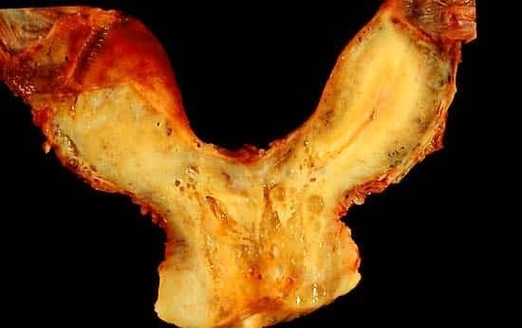
Implantation: Implantation occurs when the blastocyst embeds itself into the endometrial lining of the uterus, typically 610 days after fertilization, initiating early pregnancy and placenta formation.
Veins Draining into Superior Vena Cava Chart: This chart shows veins like the brachiocephalic, subclavian, and jugular veins converging into the superior vena cava, which returns blood from the upper body to the heart.
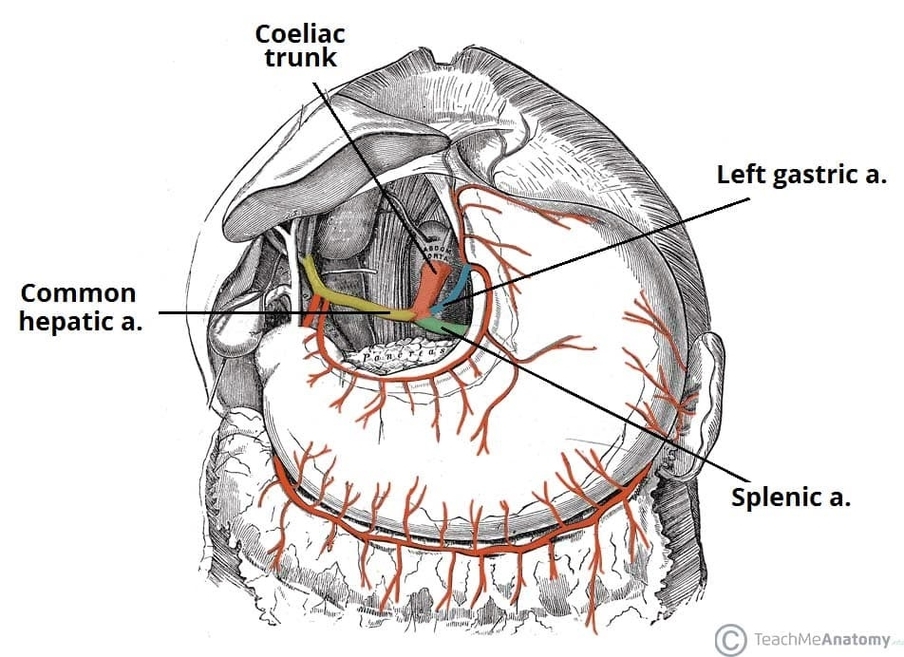
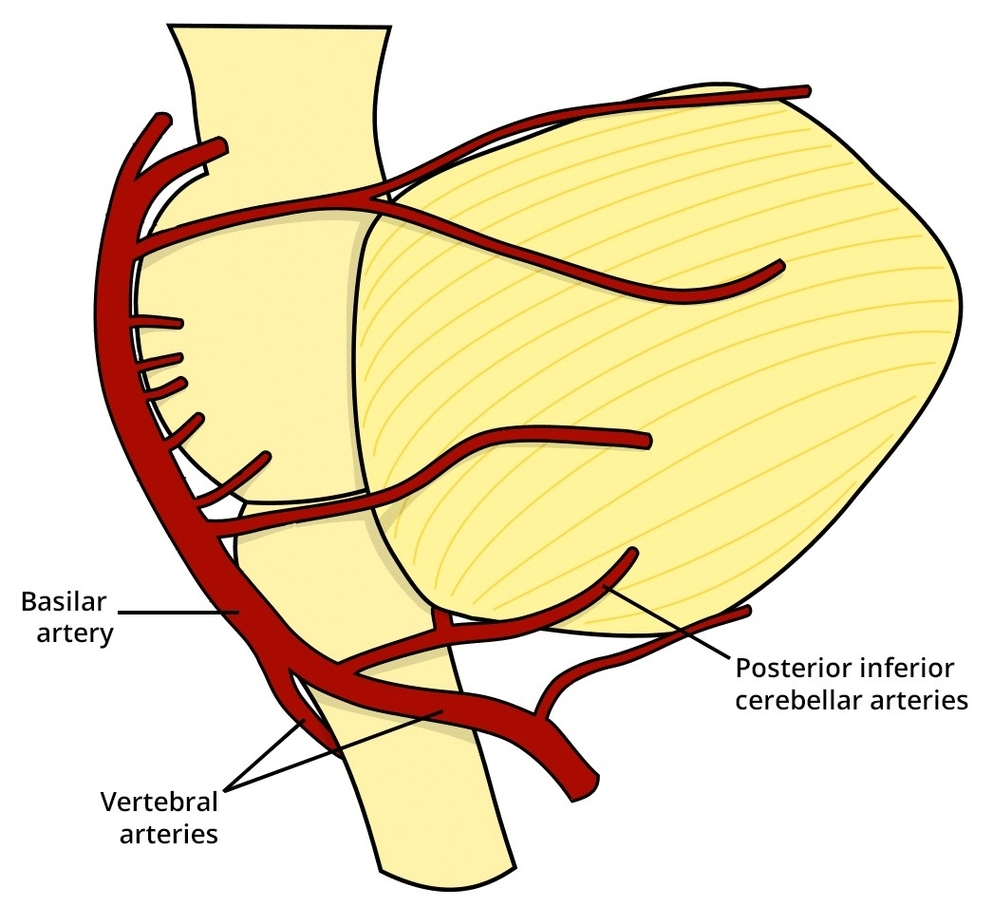
Thoracic Abdominal Arteries: Major arteries in the thoracic and abdominal regions include the aorta and its branches, which supply oxygenated blood to the chest organs, abdominal viscera, and lower limbs.
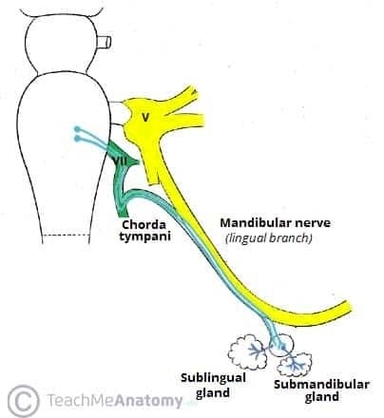
Nerves Innervating the Urinary System: The urinary system is innervated by sympathetic and parasympathetic nerves that regulate kidney blood flow, bladder contraction, and sphincter control.
SA Node Tracing: An SA node tracing highlights the start of electrical impulses in the heart, initiating atrial contraction and setting the pace for the cardiac cycle.
The Postabsorptive Stage: This metabolic state occurs several hours after eating, during which the body relies on stored energy sources, such as glycogen and fat, to maintain blood glucose levels and supply energy to tissues.
Small Intestine: The small intestine, composed of the duodenum, jejunum, and ileum, is the primary site for digestion and nutrient absorption, featuring villi and microvilli to increase surface area.
Anatomy of the Lymphatic System: The lymphatic system includes lymph, lymphatic vessels, lymph nodes, the spleen, thymus, and tonsils, functioning in fluid recovery, lipid absorption, and immune response.
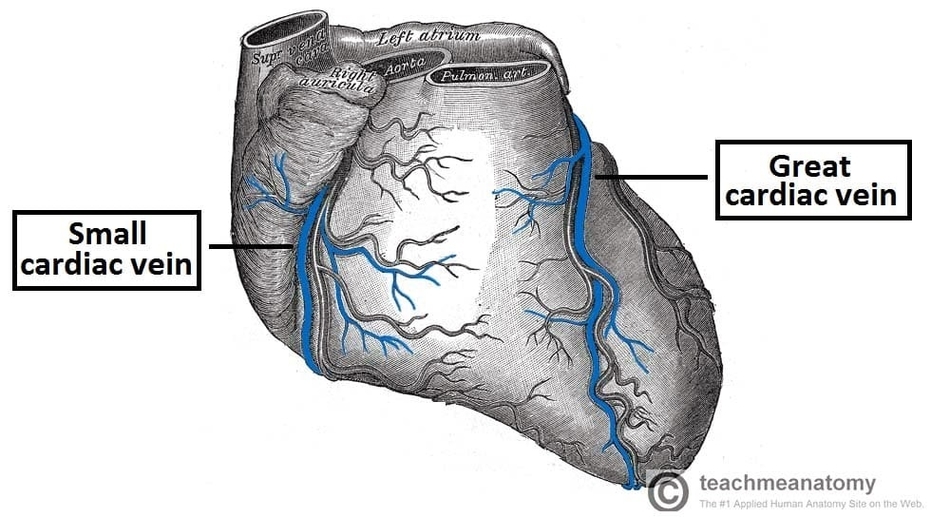
Head and Neck Veins: Major veins of the head and neck include the internal and external jugular veins, which drain blood from the brain, face, and neck into the subclavian and brachiocephalic veins.
Aorta: The aorta is the largest artery in the body, emerging from the left ventricle of the heart and distributing oxygenated blood to all systemic arteries via its ascending, arch, thoracic, and abdominal segments.
Let Down Reflex new: The let-down reflex is triggered by oxytocin release during breastfeeding, causing the milk ducts to contract and eject milk in response to infant suckling or even emotional stimuli.
X linked Recessive Inheritance new: X-linked recessive disorders are caused by mutations on the X chromosome and primarily affect males, as they have only one X; females are often carriers unless both X chromosomes are affected.
The Esophagus: The esophagus is a muscular tube that transports food from the pharynx to the stomach via peristalsis, with its lining adapted to withstand friction and acidic reflux.
Male Chromosomes: Males have one X and one Y chromosome, with the Y chromosome carrying genes essential for male sex determination and development, including the SRY gene responsible for testis formation.
Common Carotid Artery: The common carotid arteries run along the neck and bifurcate into the internal and external carotids, supplying blood to the brain, face, and neck.
Endocrine System: The endocrine system is a network of glands that release hormones into the bloodstream to regulate processes like metabolism, growth, reproduction, and homeostasis.
Heart Wall: The heart wall consists of three layers: the epicardium (outer), myocardium (middle muscular layer), and endocardium (inner lining), each contributing to the hearts structure and function.