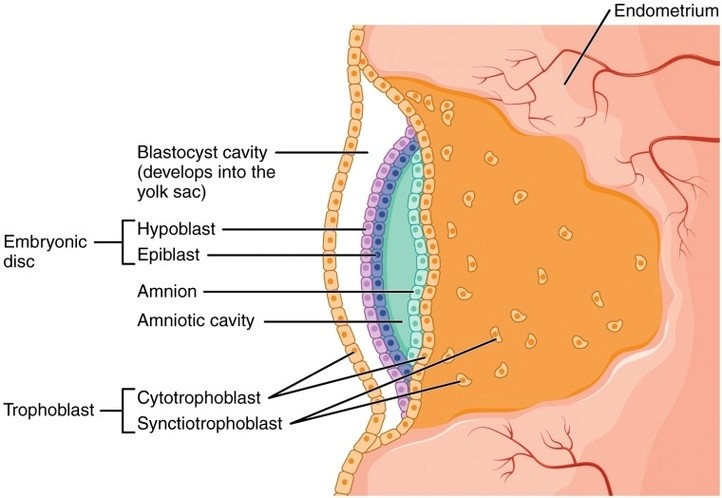
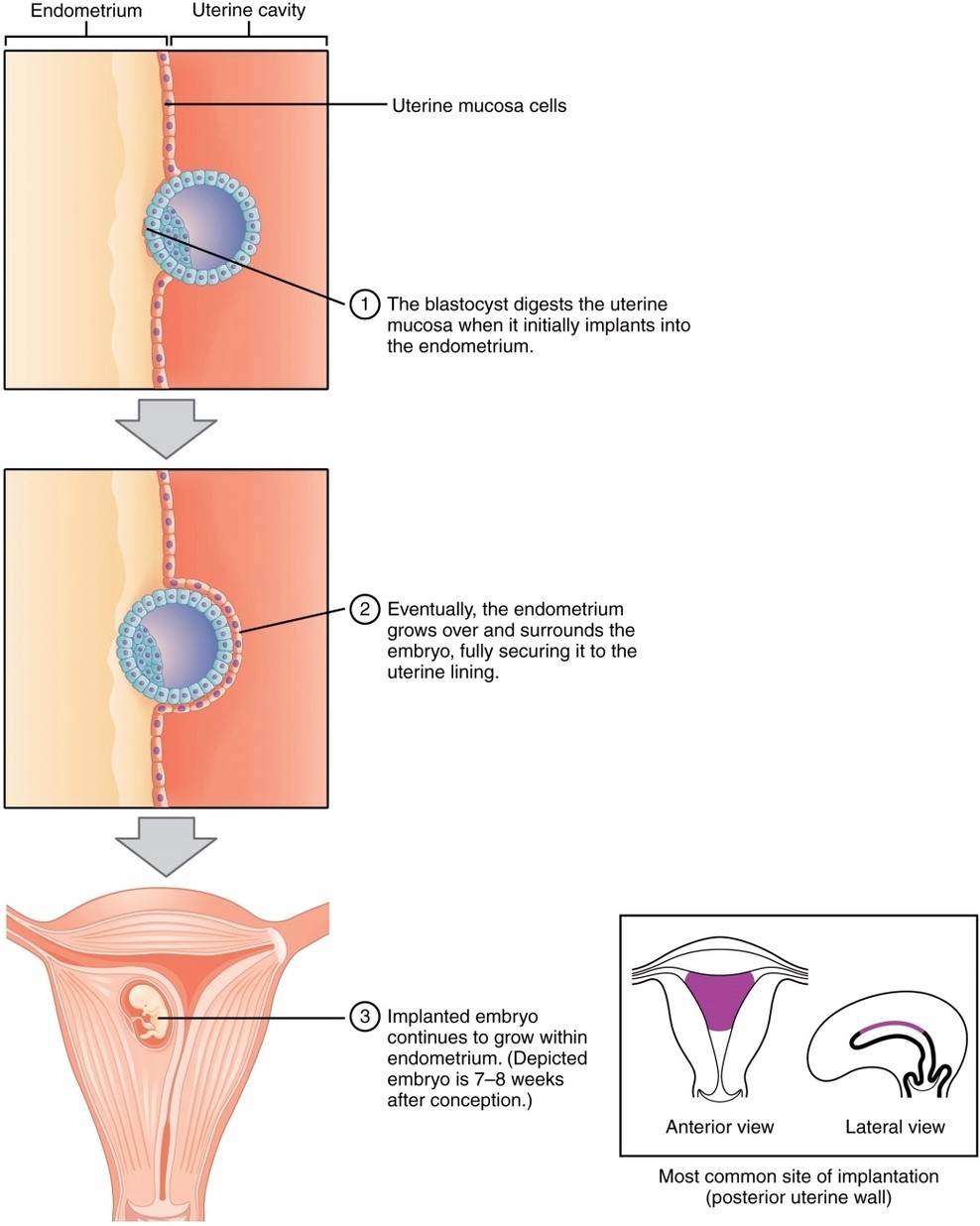

Preembryonic Development: Preembryonic development spans from fertilization to implantation, including zygote formation, cleavage, morula, blastocyst formation, and initial attachment to the uterine wall.
Fetal Circulatory System: The fetal circulatory system includes unique structures like the ductus arteriosus and foramen ovale that shunt blood away from non-functioning fetal lungs and prioritize oxygen-rich blood from the placenta.
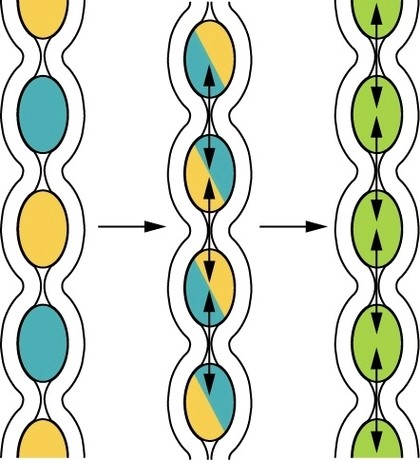
Preembryonic Cleavages: Cleavage is a series of rapid mitotic divisions in the zygote that increase cell number without increasing size, forming the morula and eventually the blastocyst.
Surface Anatomy of the Heart: Surface anatomy of the heart includes visible landmarks such as the apex, base, coronary sulci, and major vessels, guiding auscultation and diagnostic imaging.
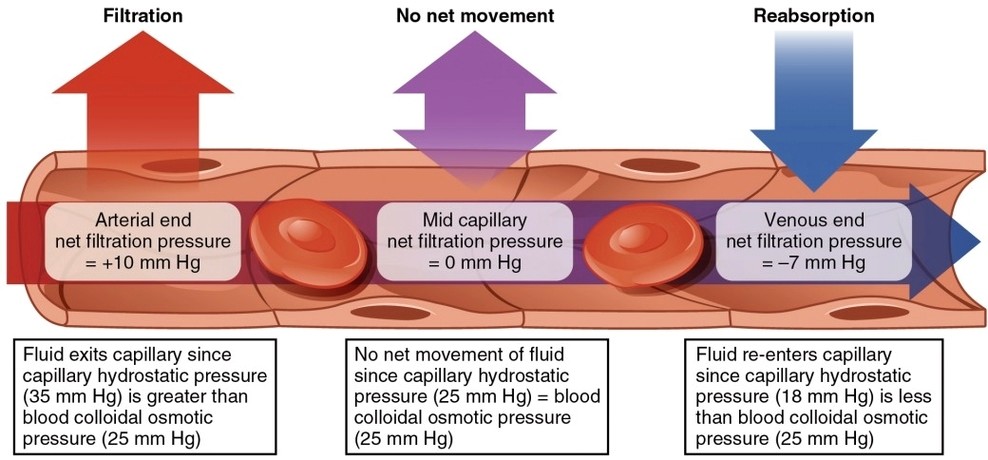
Three Major Capillary Types: The three major capillary types are continuous, fenestrated, and sinusoidal, each adapted to different levels of permeability based on tissue needs.
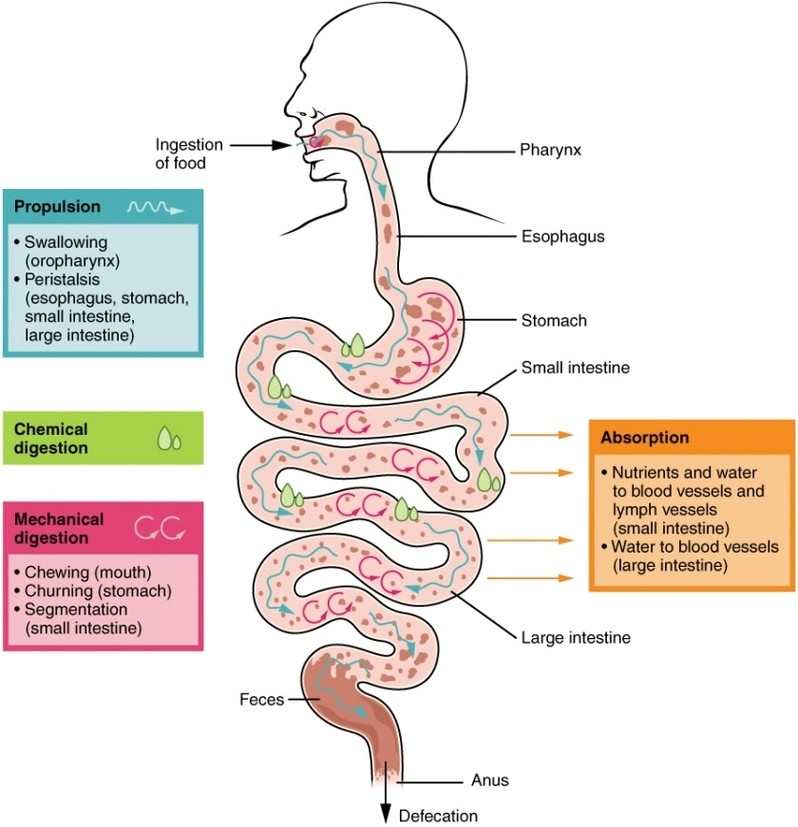
Deglutition: Deglutition, or swallowing, is a coordinated process involving the oral cavity, pharynx, and esophagus, and occurs in three phases: oral, pharyngeal, and esophageal, ensuring safe passage of food to the stomach.
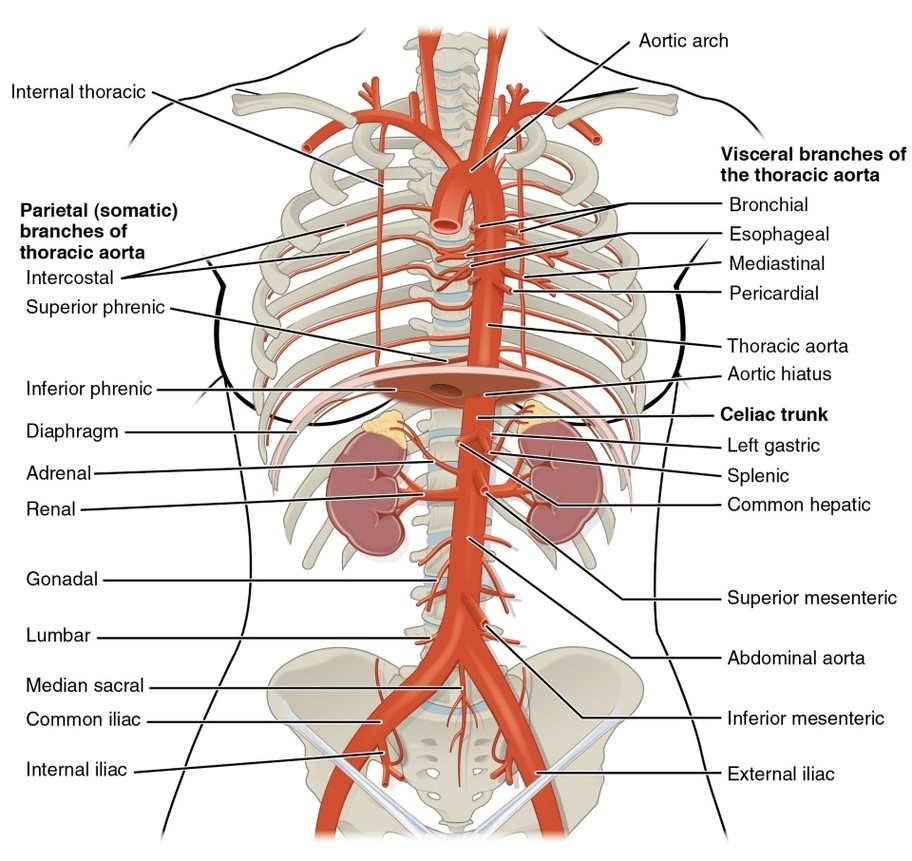
Iliac Artery Branches Chart: The iliac arteries split from the abdominal aorta and include the common, internal, and external iliac arteries, which supply blood to the pelvis, lower limbs, and reproductive organs.
Histology of the Large Intestine: The large intestine’s histology includes a smooth mucosa with numerous goblet cells for mucus secretion, arranged in straight tubular glands and lacking villi.
Digestive Secretions Absorption of Water: Digestive secretions contain enzymes and fluids that aid digestion, while most water absorption occurs in the small intestine, with the large intestine absorbing the remainder.
Lower Limb Veins Chart: This chart outlines superficial veins like the great saphenous and deep veins like the femoral and popliteal, all responsible for returning blood from the leg to the heart.
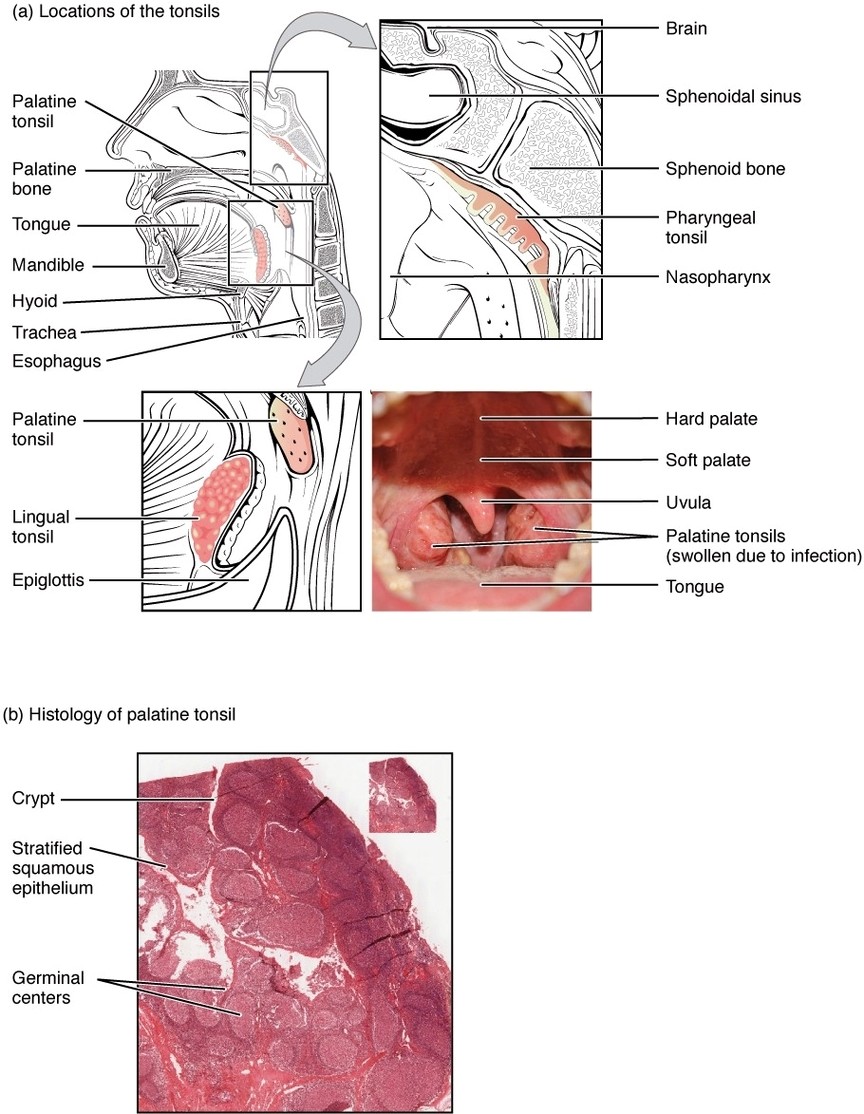
Anatomy of Nose Pharynx Mouth Larynx: This region includes the nasal cavity (for air intake and filtration), pharynx (shared air and food passage), oral cavity (chewing and speech), and larynx (voice production and airway protection).
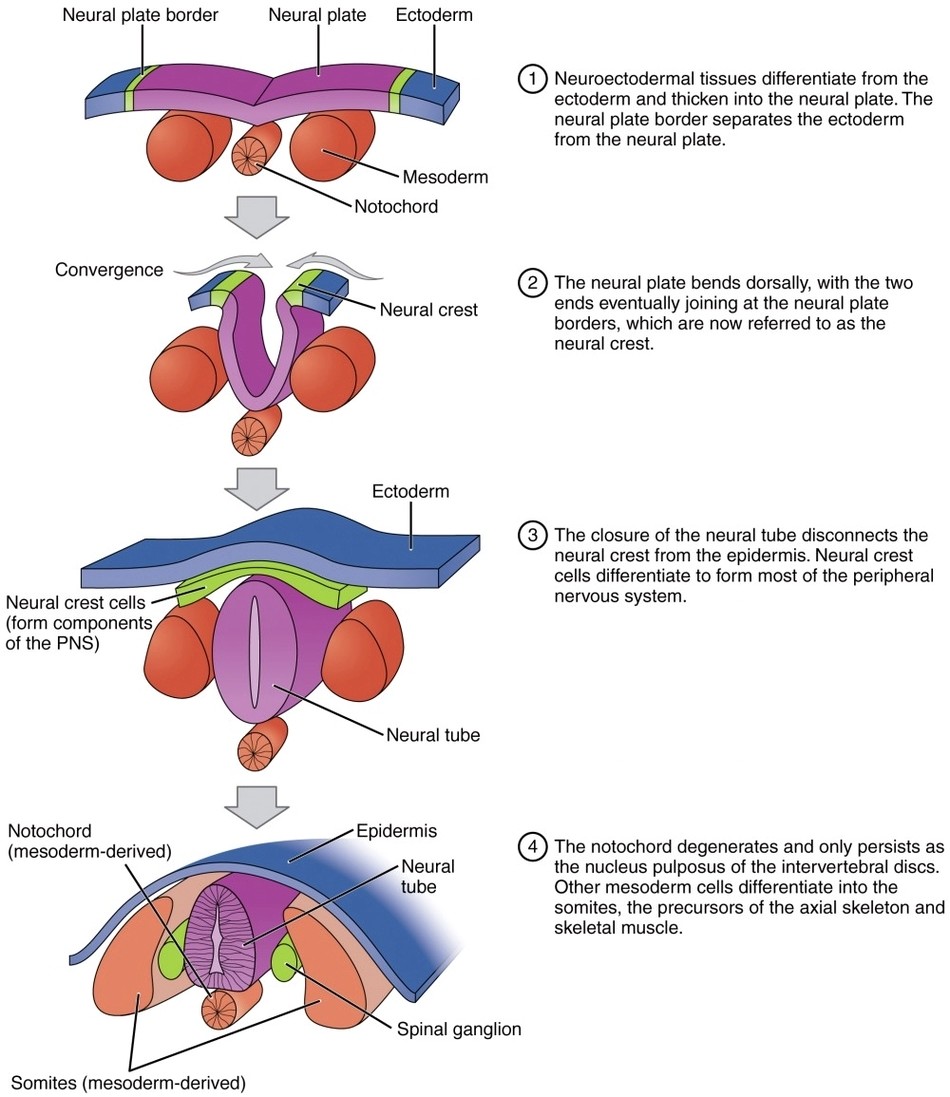
Embryo Week 3: During the third week of development, the embryo undergoes gastrulation, forming three germ layers—ectoderm, mesoderm, and endoderm—that will give rise to all tissues and organs of the body.
Layers of the Gastrointestinal Tract: The GI tract consists of four layers: mucosa (innermost), submucosa, muscularis externa (smooth muscle), and serosa or adventitia (outer layer), each playing a role in digestion and motility.
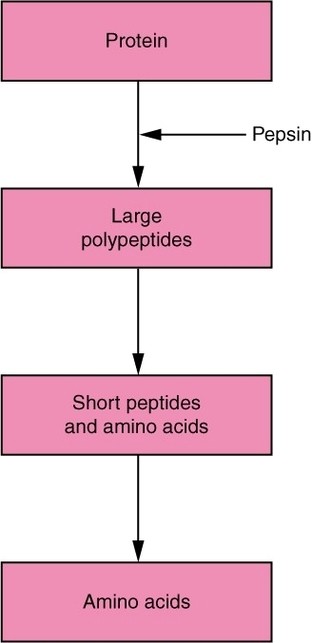
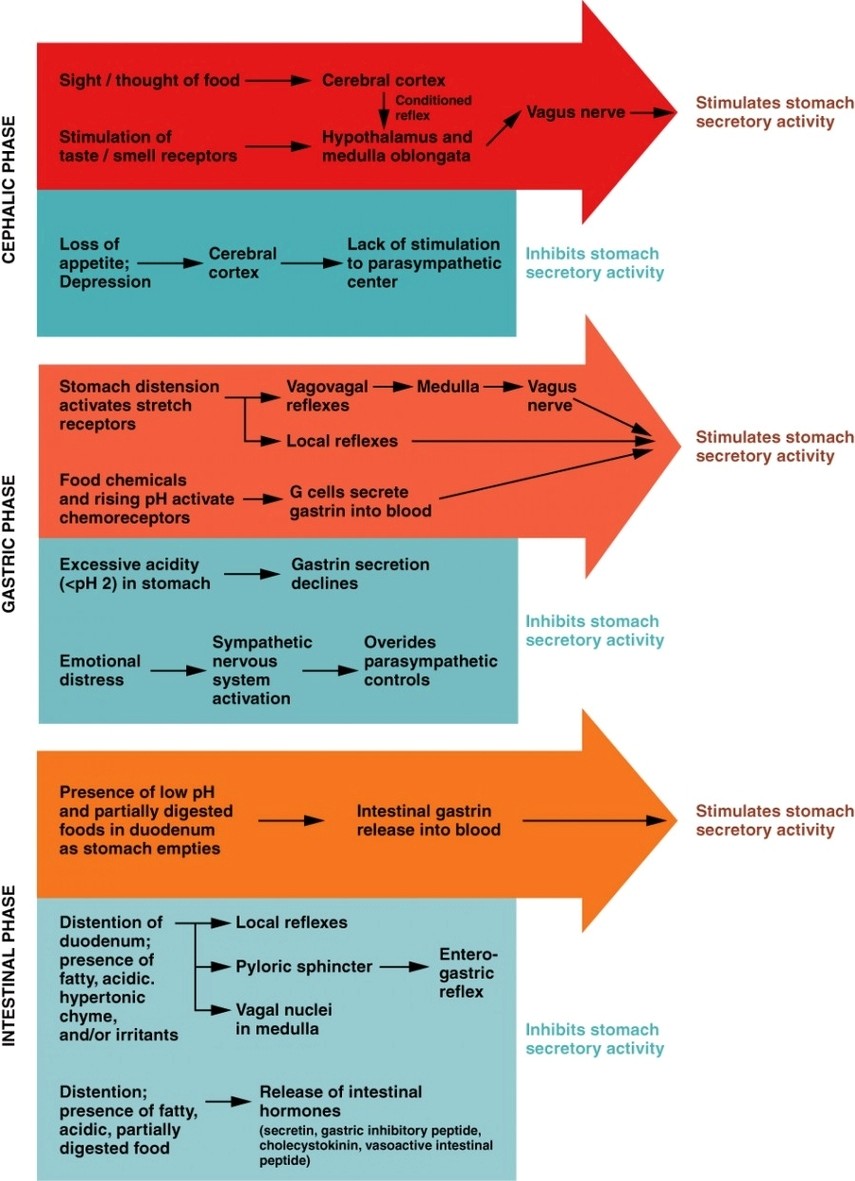
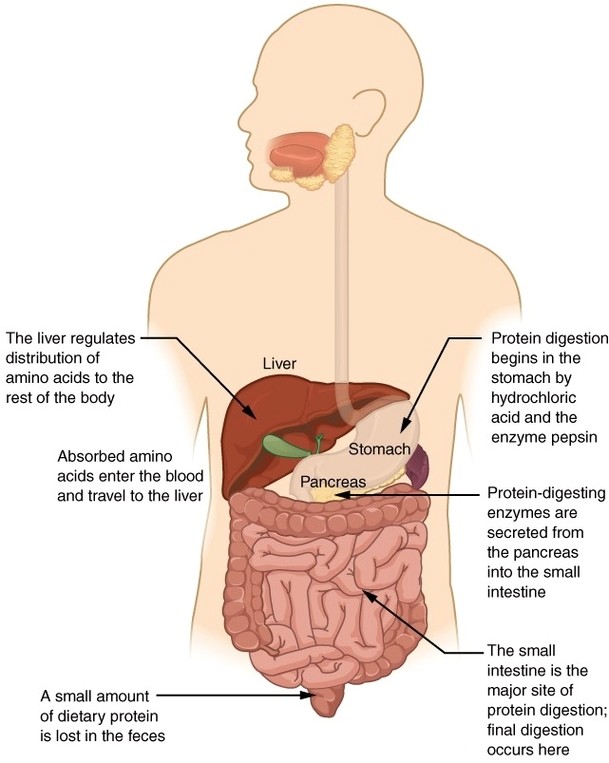
Mechanical and Chemical Digestion: Mechanical digestion involves physical breakdown of food through chewing and stomach churning, while chemical digestion uses enzymes and acids to break molecular bonds in nutrients.
Lower Limb Arteries Chart: The lower limb arterial system includes the femoral, popliteal, anterior tibial, posterior tibial, and dorsalis pedis arteries, supplying oxygenated blood to the leg and foot.
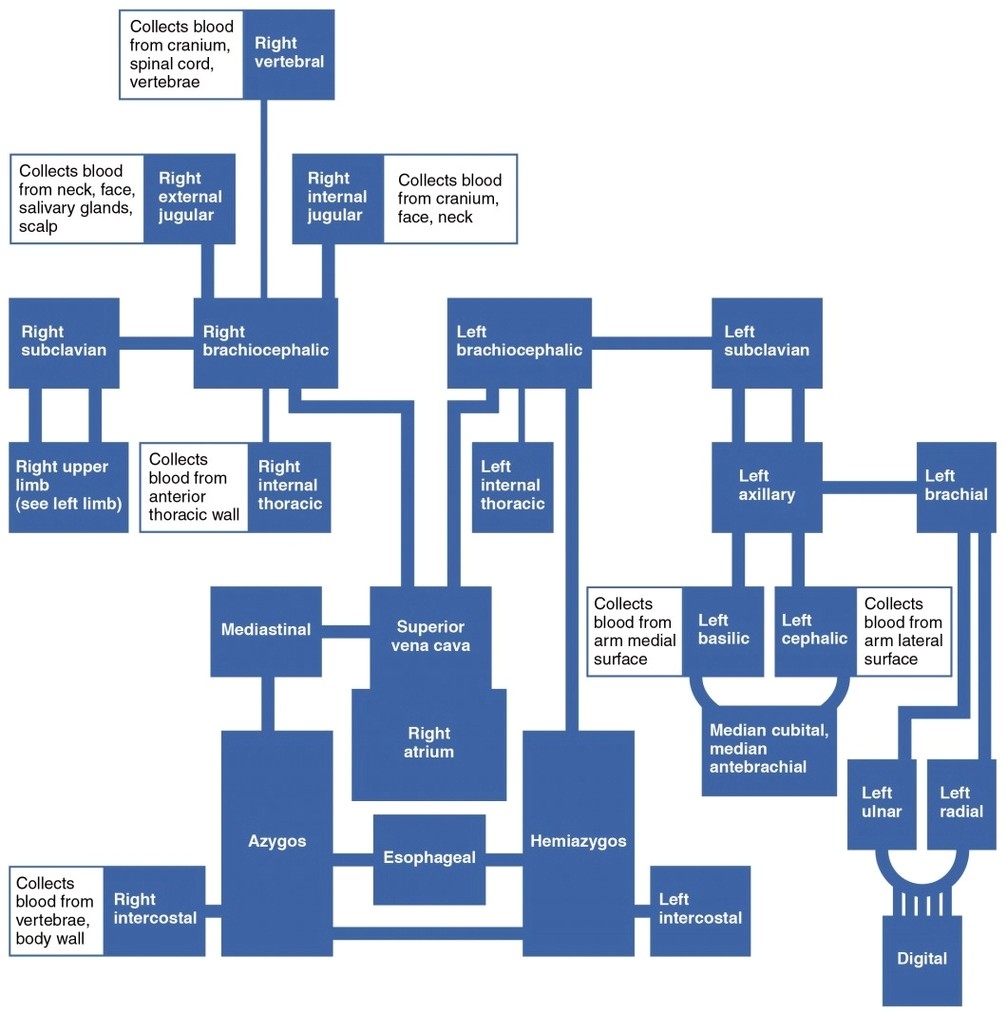
Thoracic Abdominal Veins: These veins include the superior and inferior vena cava, azygos system, and hepatic veins, which return deoxygenated blood from the thorax and abdomen to the heart.
Coronary Blood Vessels: The coronary arteries and veins supply oxygen-rich blood to the myocardium and remove deoxygenated blood, ensuring the heart muscle receives the nutrients it needs to function effectively.
Kidney Position in Abdomen: The kidneys are retroperitoneal organs located on either side of the spine between the T12 and L3 vertebrae, with the right kidney slightly lower due to the liver.
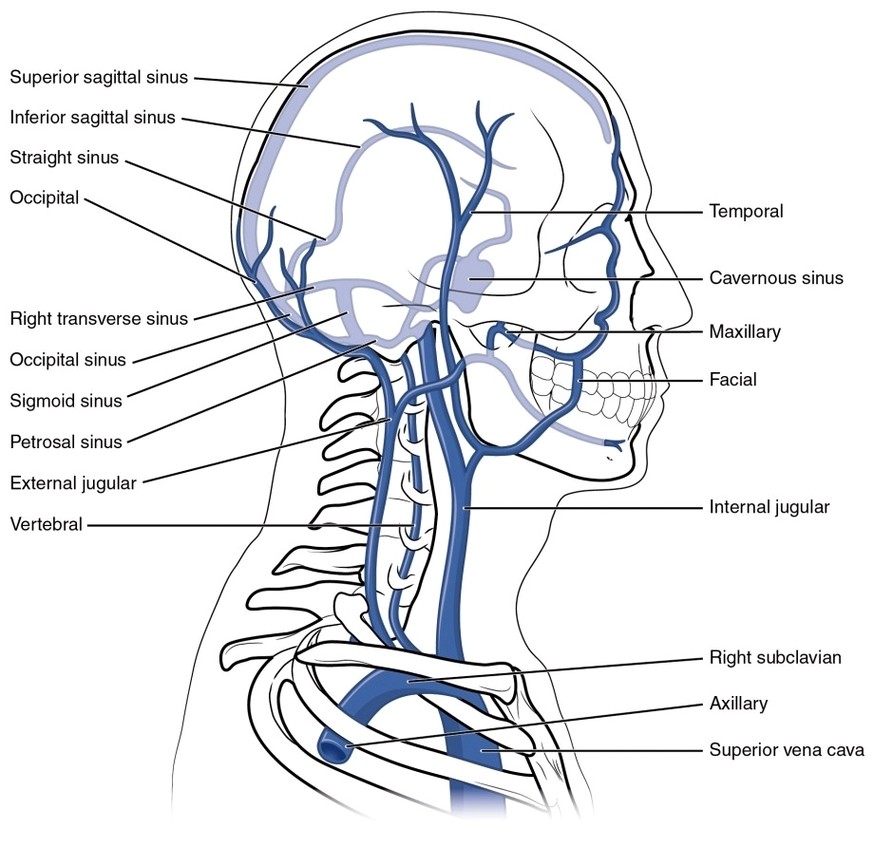
FlowChart Veins into VenaCava: This flowchart maps venous drainage from body regions into the superior and inferior vena cavae, the major veins returning blood to the right atrium.