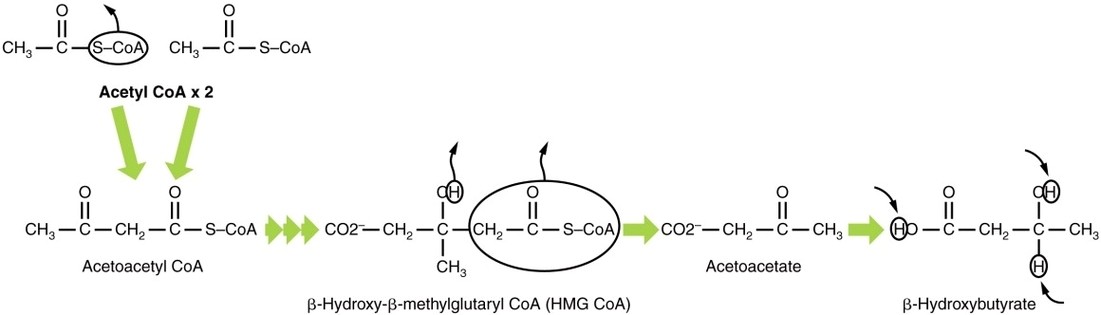
Ketogenesis: Ketogenesis occurs in the liver when carbohydrate intake is low, producing ketone bodies from fatty acids to provide an alternative energy source for tissues like the brain and muscles.
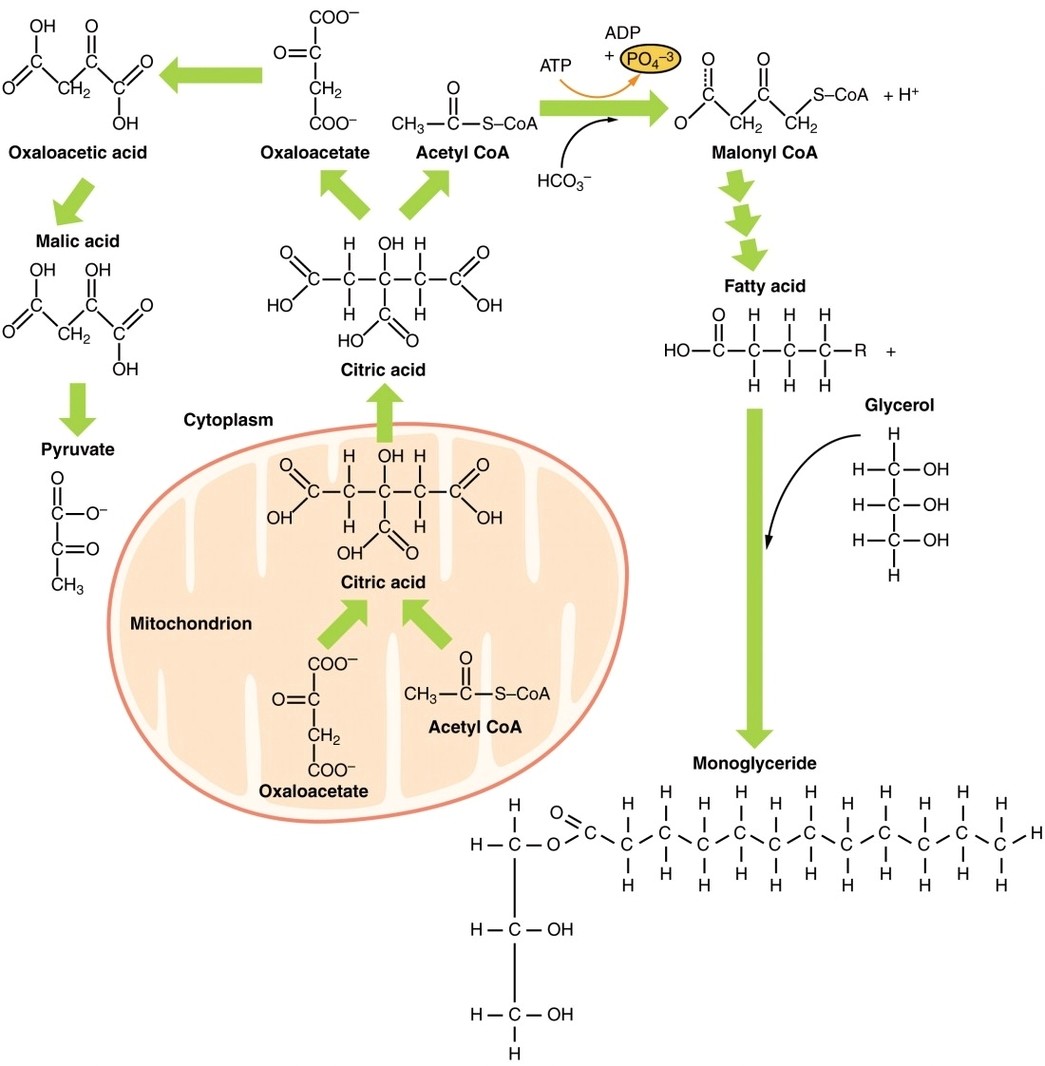
Lipid Metabolism: Lipid metabolism includes the digestion, absorption, storage, and breakdown of fats, with fatty acids used for energy production, membrane synthesis, or stored as triglycerides.
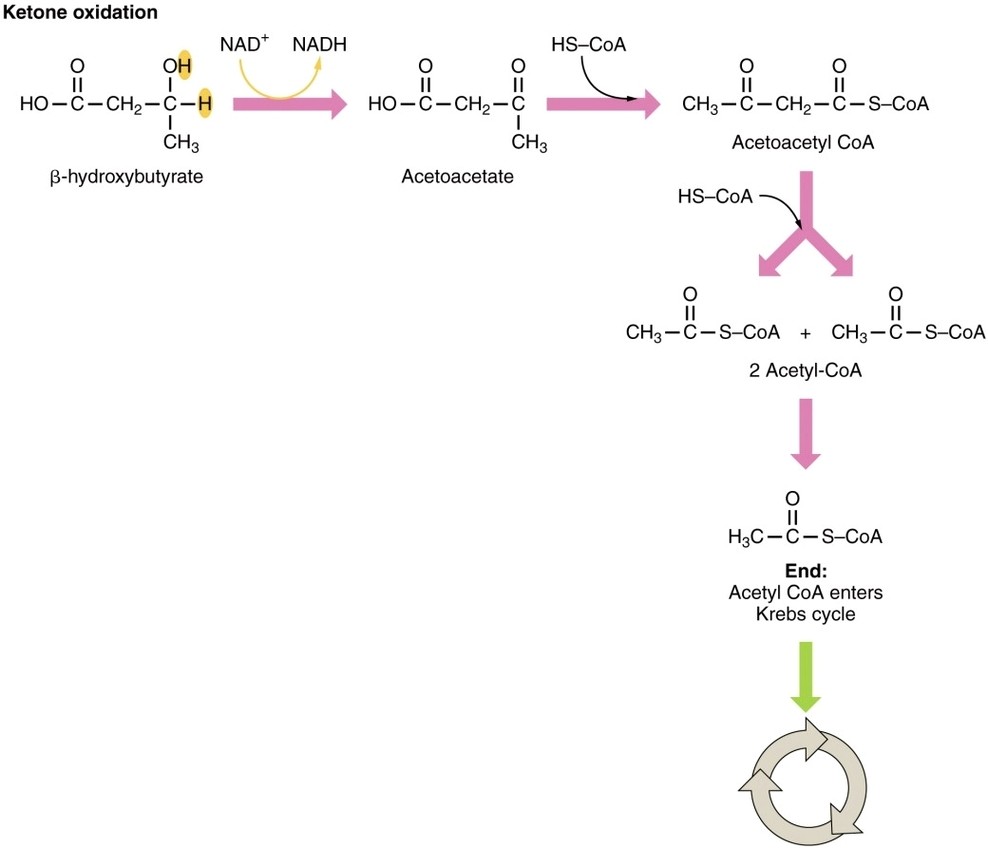
Ketone Oxidation: Ketone bodies like acetoacetate and beta-hydroxybutyrate are oxidized in peripheral tissues to produce ATP, especially during prolonged fasting or carbohydrate deficiency.
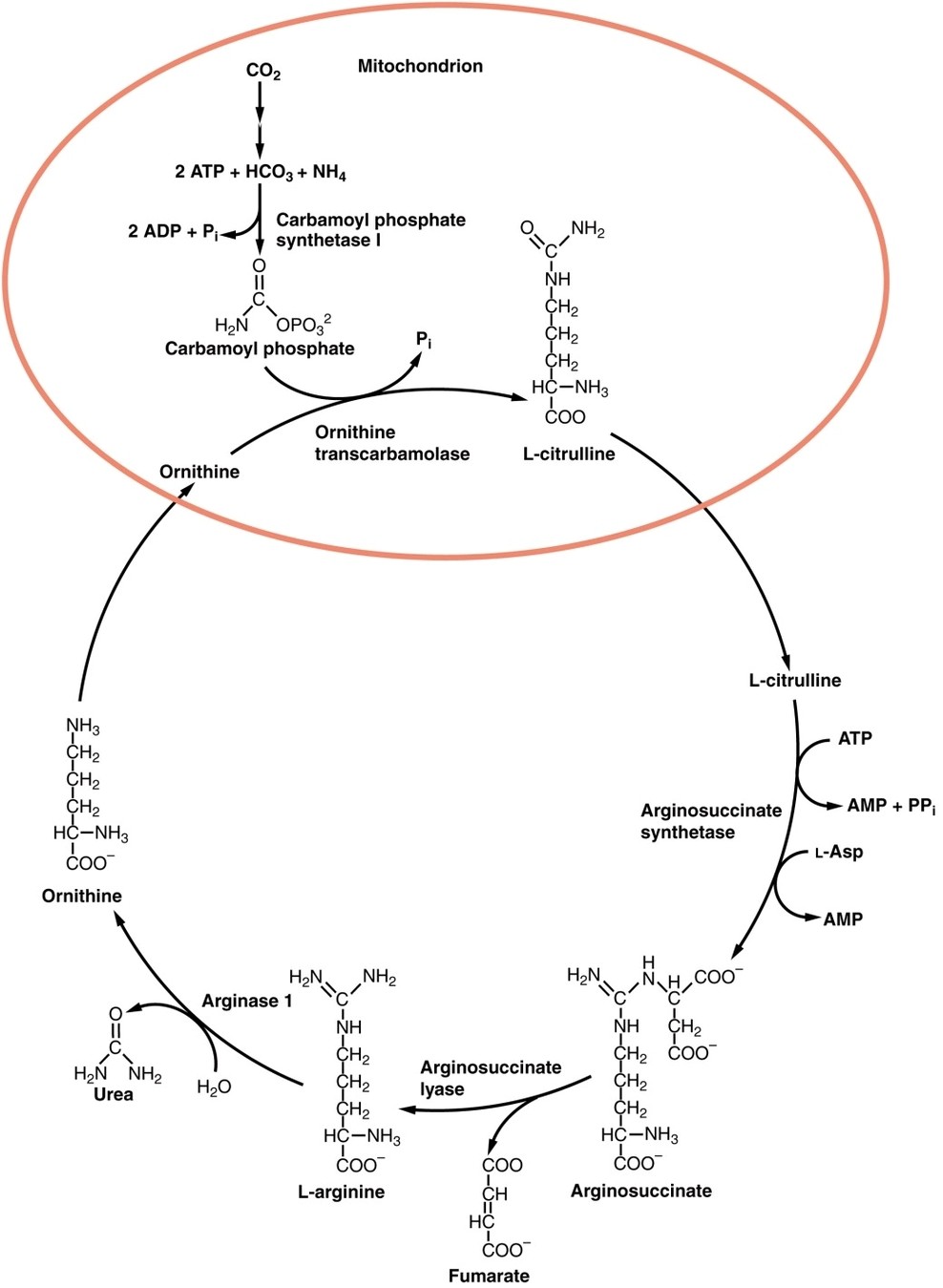
Urea Cycle: The urea cycle occurs in the liver and converts toxic ammonia, a byproduct of protein metabolism, into urea, which is then safely excreted in the urine by the kidneys.