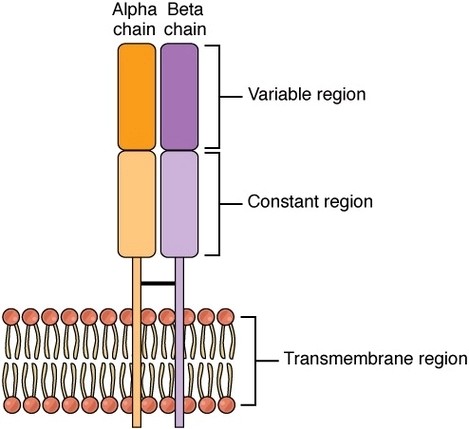
Alpha Beta T Cell Receptor: The ?? T cell receptor recognizes antigens presented on MHC molecules, allowing T cells to detect infected or abnormal cells and initiate an immune response.
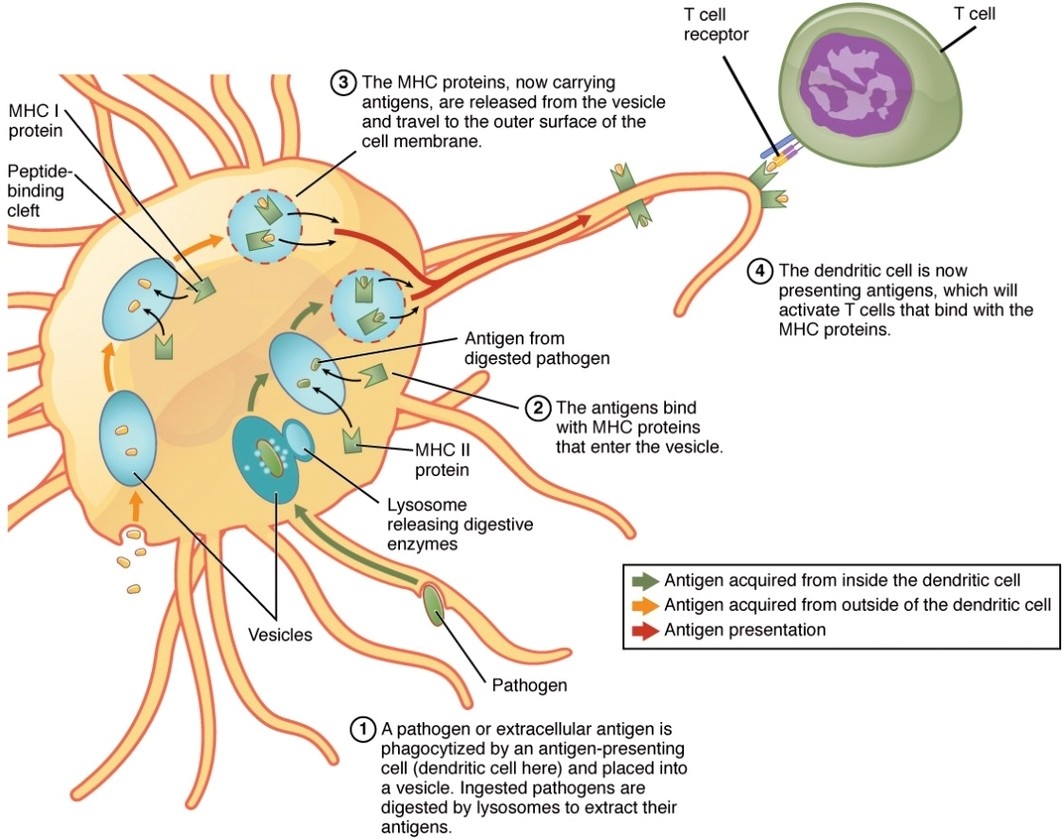
Antigen Processing and Presentation: Antigen processing involves breaking down pathogens into fragments, which are then presented on MHC molecules by antigen-presenting cells to activate T lymphocytes.
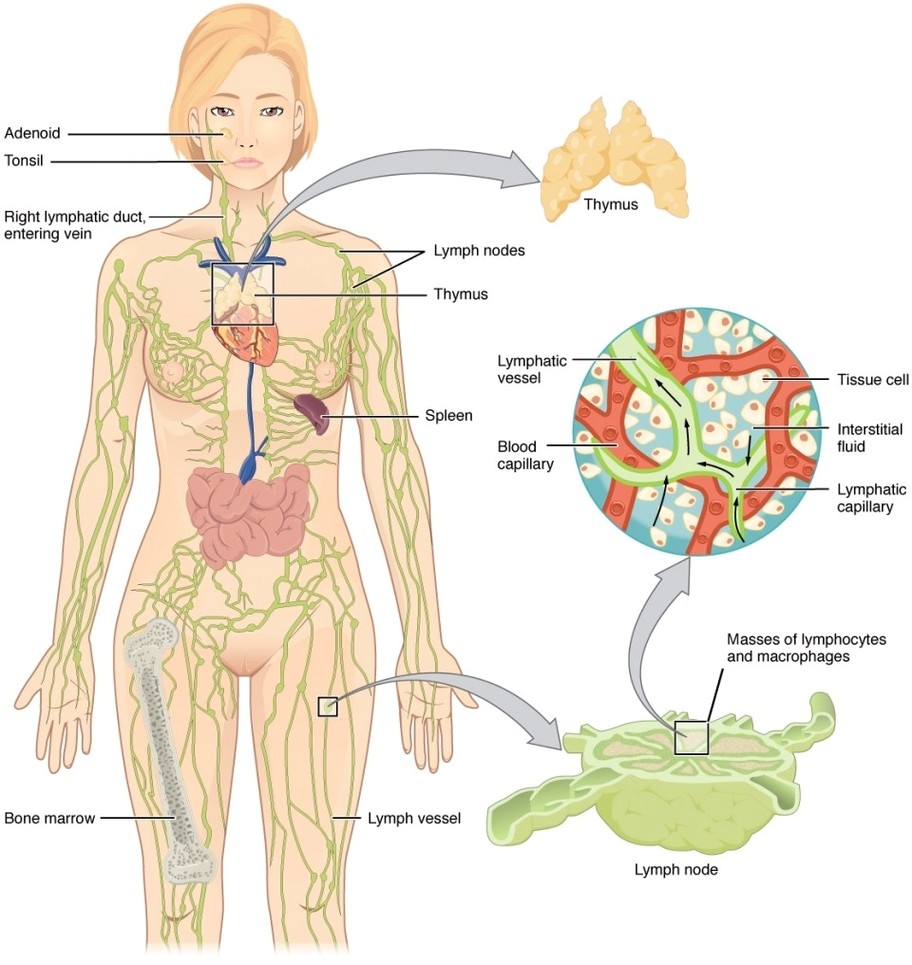
Anatomy of the Lymphatic System: The lymphatic system includes lymph, lymphatic vessels, lymph nodes, the spleen, thymus, and tonsils, functioning in fluid recovery, lipid absorption, and immune response.
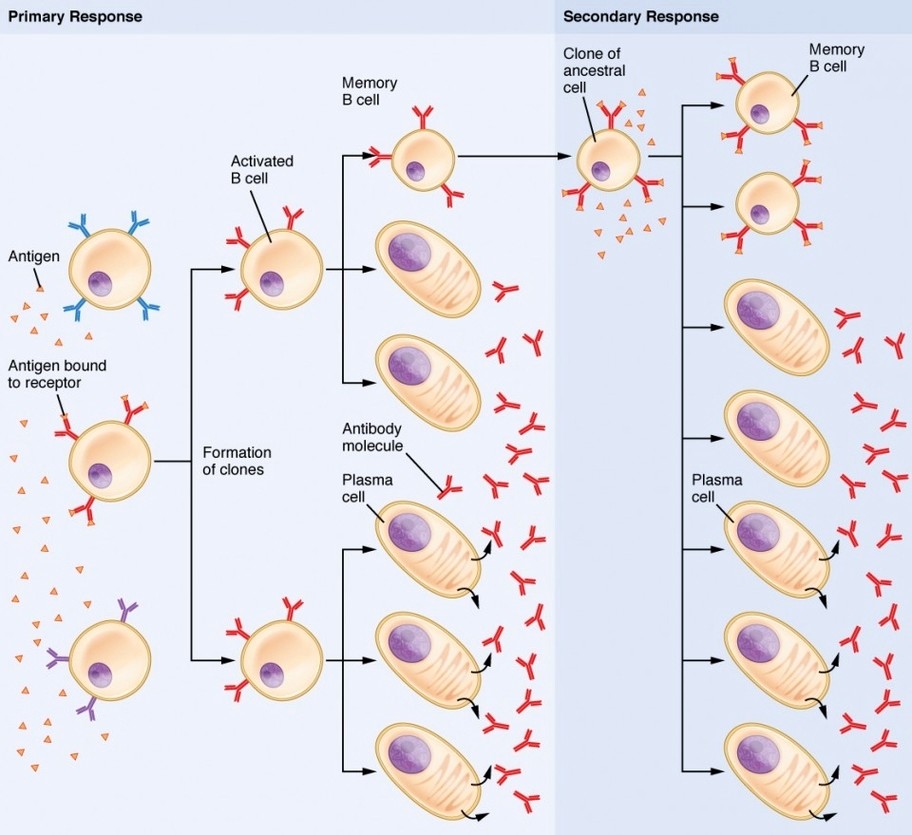
Clonal Selection of B Cells: Clonal selection occurs when a B cell with a receptor specific to an antigen proliferates and differentiates into plasma cells for antibody production and memory B cells for long-term immunity.
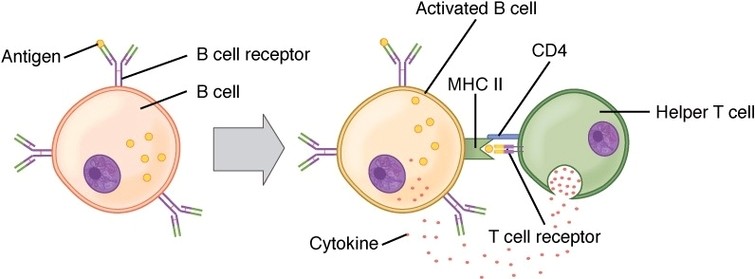
T and B Cell Binding: T and B cells bind to antigens through specialized receptors; T cells recognize antigen-MHC complexes, while B cells bind free antigens directly, initiating immune responses like cytokine release or antibody production.
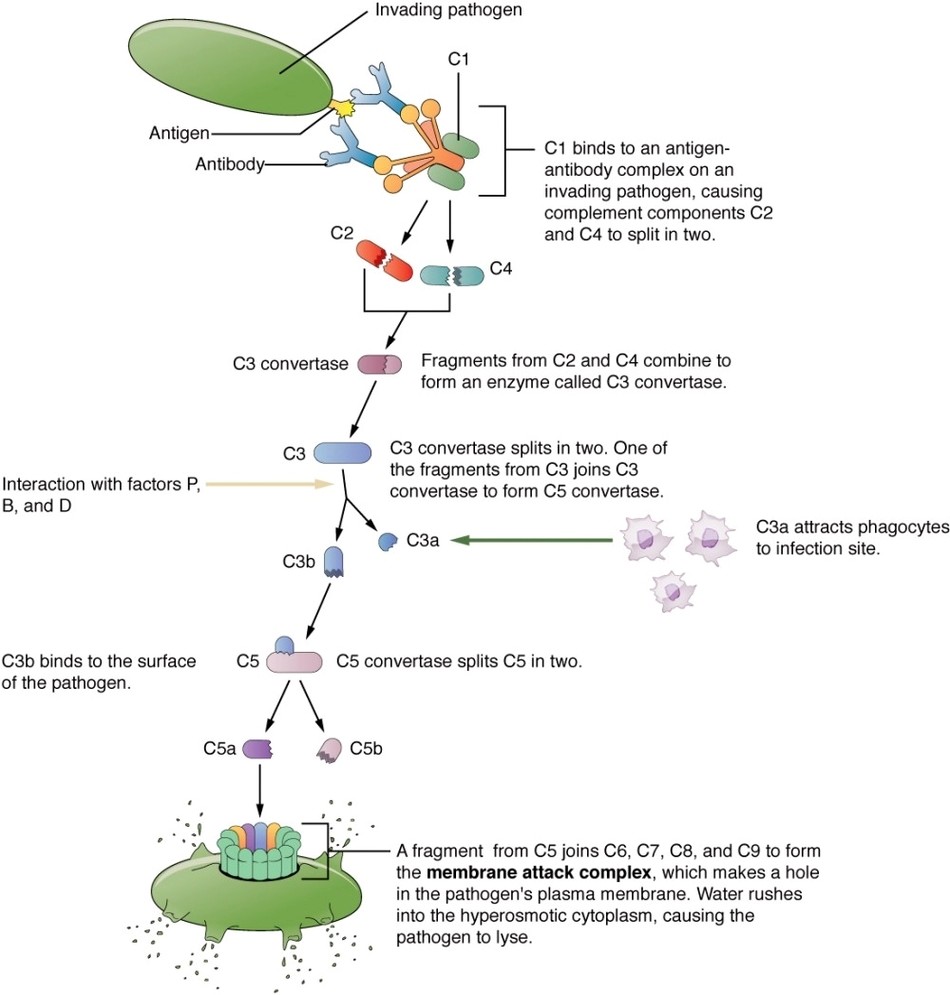
Complement Cascade and Function: The complement system is a group of plasma proteins that, once activated, enhance immune responses by promoting inflammation, opsonizing pathogens for phagocytosis, and directly lysing microbial cells through the membrane attack complex.
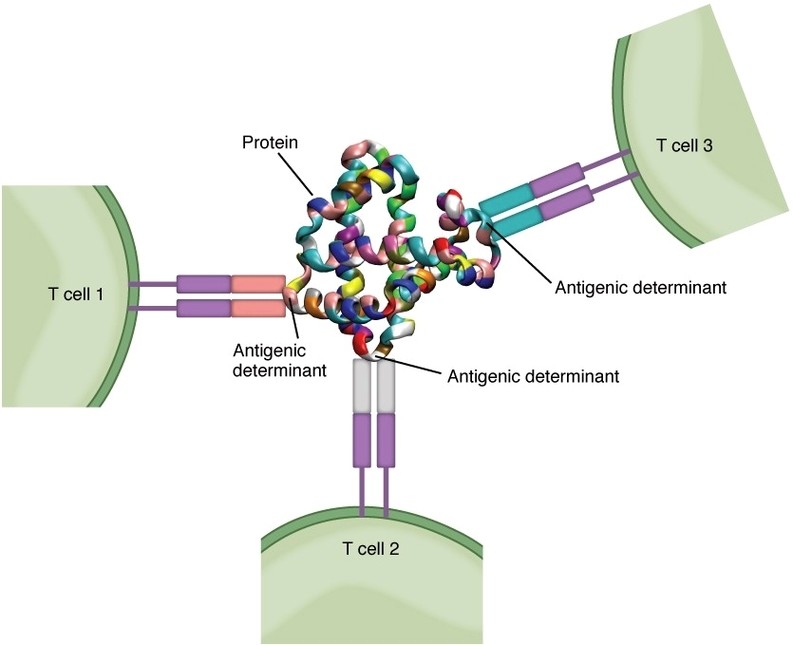
Antigenic Determinants: Antigenic determinants, or epitopes, are specific regions on an antigen that are recognized and bound by antibodies or T cell receptors, initiating an immune response.
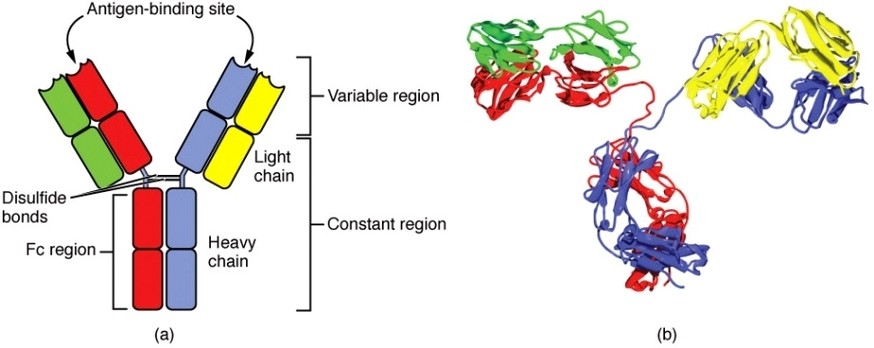
Four Chain Structure of a Generic Antibody IgG2 Structures: A generic antibody, such as IgG2, has two identical heavy chains and two light chains forming a Y-shaped structure, with variable regions for antigen binding and constant regions for immune signaling.
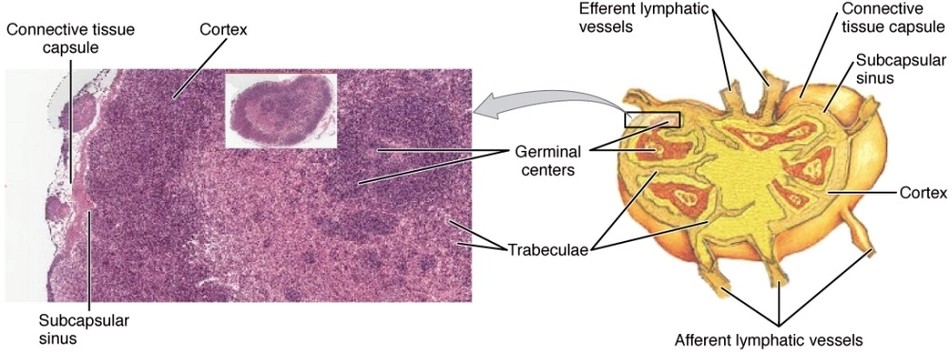
Structure and Histology of a Lymph Node: Lymph nodes have a cortex rich in lymphocytes and a medulla containing sinuses and macrophages, acting as filters to trap pathogens and facilitate immune responses.