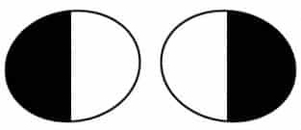
Bitemporal hemianopia is a visual field defect characterized by loss of vision in the outer halves of both eyes. It commonly results from compression of the optic chiasm, often due to pituitary tumors or other lesions at the midline. Understanding the anatomy of the optic nerves, chiasm, and visual pathways is crucial for clinicians, ophthalmologists, and neurologists in diagnosing and managing these conditions. Recognizing this pattern helps in early detection of intracranial lesions, planning treatment, and monitoring visual recovery. Knowledge of bitemporal hemianopia also aids medical students in linking neuroanatomy with clinical presentations. Bitemporal Hemianopia Diagram - Chart - diagrams and charts with labels. This diagram depicts Bitemporal Hemianopia and explains the details of Bitemporal Hemianopia.
Bitemporal Hemianopia